Adhesive bonding is about more than the adhesive
A new White Paper It is very interesting when two of our suppliers get together and do some work which shows the value that some synergy can bring to understanding our technology. In this case, Dymax (adhesives and curing equipment) and Brighton Science (surface measurement) have produced a white paper called The Science of Bonding: […]
Read More
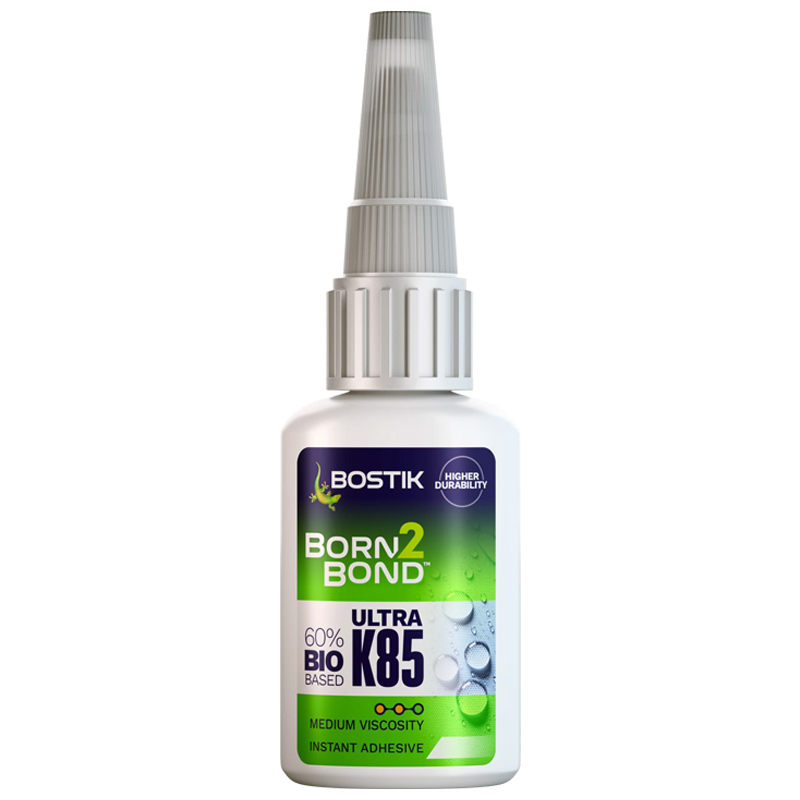
Award-winning adhesive tackles heat, humidity, and sustainability – Ultra K85
When a new adhesive wins at the Adhesive and Sealant Council Innovation Awards, it’s worth paying attention. We sat up and took notice, because the entries are judged independently on technical merit, real-world impact, and how far they move the state of the art – it’s not just a PR exercise. The 2026 winner, from […]
Read More

Dymax 9773: low outgassing UV adhesive for electronics
In high-reliability electronics, material selection is rarely simple. This is especially true in aerospace, satellites, defence, drones, and other mission-critical applications. Engineers must balance contamination control, electrical stability, thermal endurance, and long-term reliability. Increasingly, they must do so without sacrificing production practicality, efficiency, or speed. That is exactly the space Dymax 9773 was developed for. […]
Read More
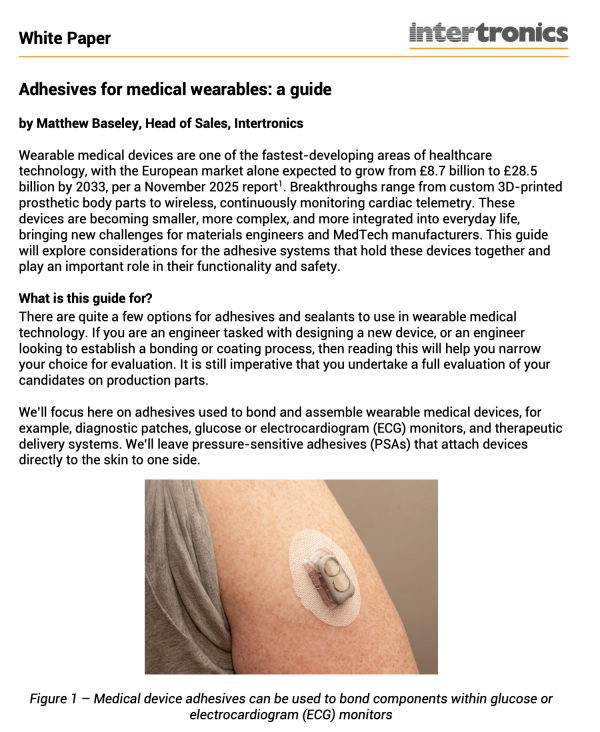
Adhesives for medical wearables: a guide
Wearable MedTech is a booming sector. The technology is breathtaking in its expanse and potential. Products like continuous blood pressure monitors, wearable pulse oximeters, respiratory and spirometry wearables, glucose sensors, insulin delivery pods, neuromodulation wearables, wearable temperature and hydration sensors, cardiac telemetry patches, smart wound-care sensors, activity and gait-analysis wearables used in rehabilitation, EEG headbands […]
Read More
Getting reliable adhesion on hard-to-bond plastics in medical devices
Medical device designs increasingly rely on polymers like nylons, PEBAs and COC/COP cyclic olefin polymers. These plastics can give you strength, flexibility, chemical resistance and clarity. They also have very low surface energies, which means adhesives tend to bead up rather than wet. If you have ever tried to bond a glossy nylon tube, you […]
Read More
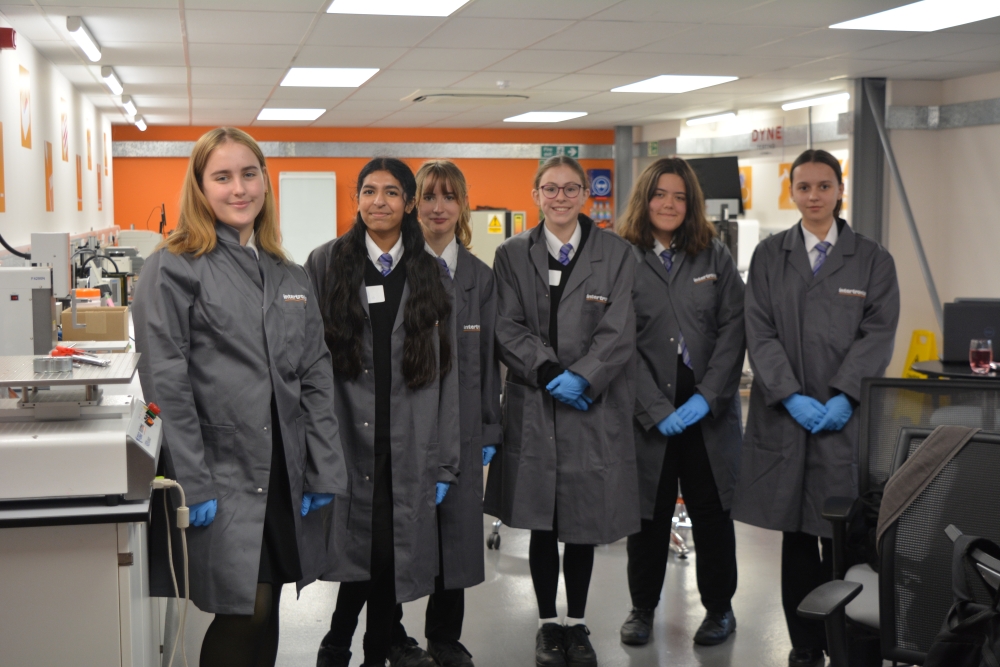
Inspiring the next generation of women in STEM: our workshop with Gosford Hill students
Last week we welcomed six Year 9 students from our local secondary school, Gosford Hill, to spend a day exploring the science behind our adhesives technologies and engage in discussions about career pathways and managing setbacks. How it all began The relationship with Gosford Hill School began earlier this year when we visited Headmaster, Nigel […]
Read More

Glue v nails v screws: why manufacturers make a choice
I am a fan of Seth Godin, the author who is is often provocative and insightful about marketing, business, and the way we think. Seth’s blog post today, entitled Nails, glues and screws, uses these fastening methods as a metaphor for how we build things. Nails are quick but temporary. Screws need more effort but […]
Read More
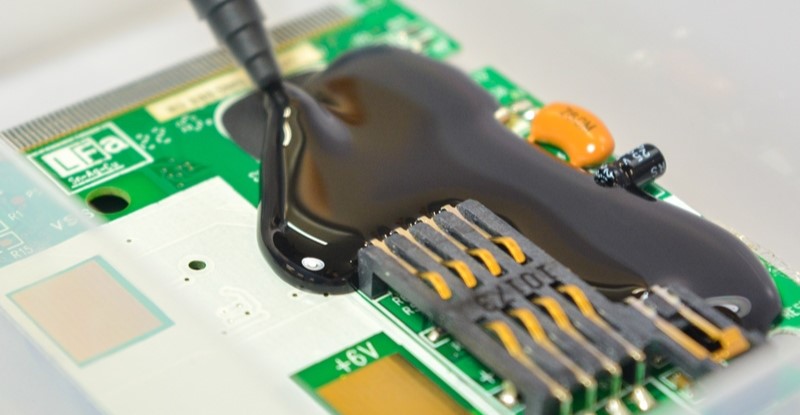
When can an adhesive be used for potting, and when can a potting compound act as an adhesive?
Engineers sometimes ask us whether they can use an adhesive as a potting compound, or whether a potting material could double as an adhesive. The answer lies in the chemistry and in the way these materials are tested and profiled. The question typically revolves around epoxy and polyurethane products. Head of Learning and Development Kevin […]
Read More
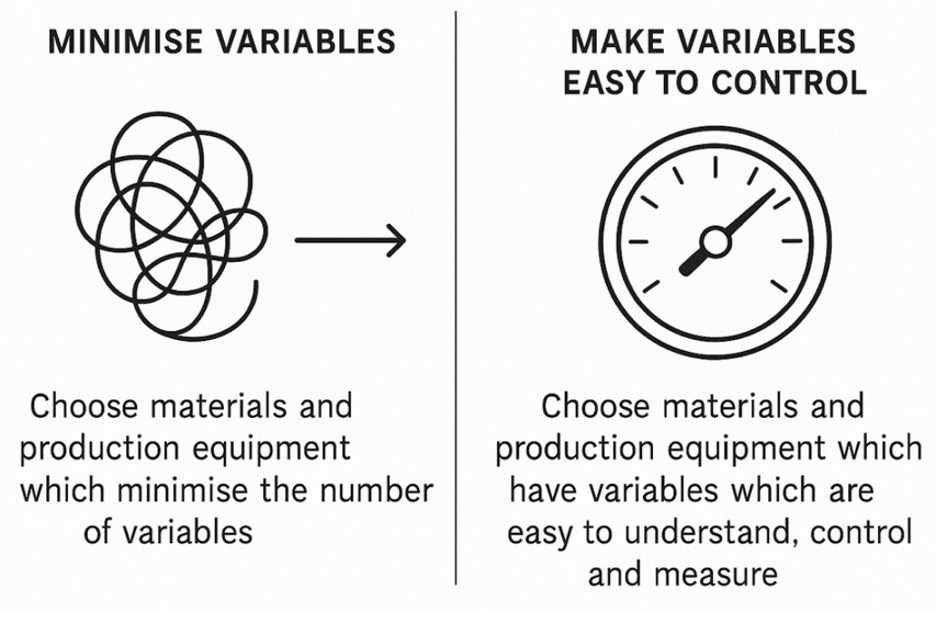
White Paper: Process validation in medical device bonding
The medical device manufacturing world doesn’t have room for “good enough.” Patient safety is on the line, regulators are watching closely, and your reputation depends on every bond holding as intended. Yet when it comes to adhesive bonding, many manufacturers face the same challenge: how do you validate a process you can’t destructively test every […]
Read More

EU Regulations Around TPO: What Does it Mean for You?
As of September 2025, customers buying Dymax UV curing adhesives containing Trimethylbenzoyl Diphenylphosphine Oxide (TPO) may notice an additional hazard sign on the product labels. What is TPO (Trimethylbenzoyl Diphenylphosphine Oxide)? TPO is a photoinitiator, a chemical compound that absorbs light and generates reactive species (like free radicals or cations) to start a polymerisation or curing […]
Read More
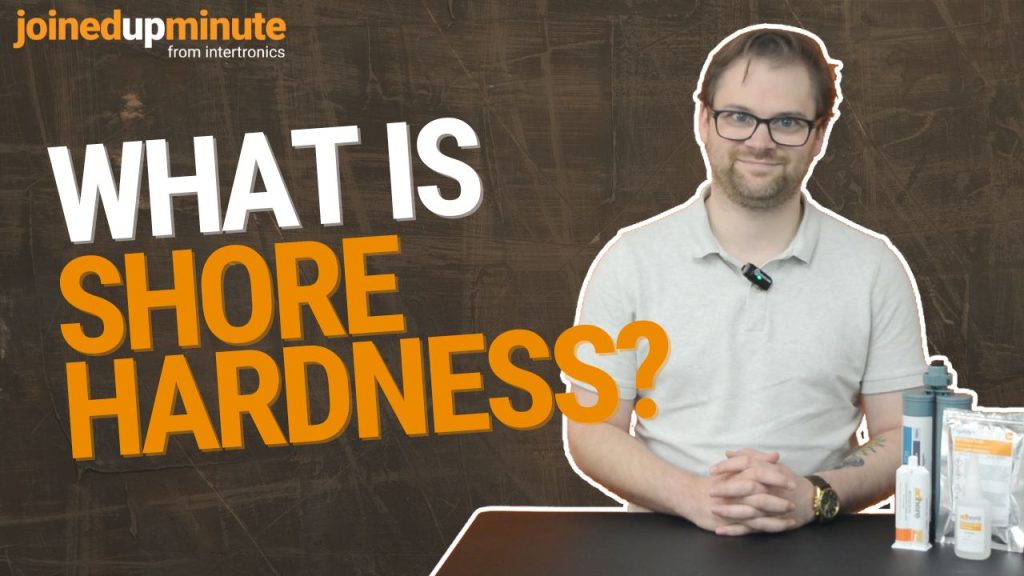
What is Shore hardness? – a JoinedUpMinute video
What does the Shore hardness number on your adhesive’s datasheet actually mean? In this JoinedUpMinute, Craig explains how hardness is measured and why it matters when selecting a material. You’ll learn: What Shore hardness tells you about resistance to indentation The differences between Shore 00, A, and D scales If you’re choosing a material based on […]
Read More
White Paper: Could you eliminate the need for your adhesive primer?
New White Paper explores how to streamline your adhesive bonding process When designing an adhesives process, applying a primer is rarely top of the wishlist. Primers are often used to promote bonding with low surface energy plastics or difficult-to-bond metals—but they add complexity, introduce health and safety considerations, and may create process variability. Our latest […]
Read More
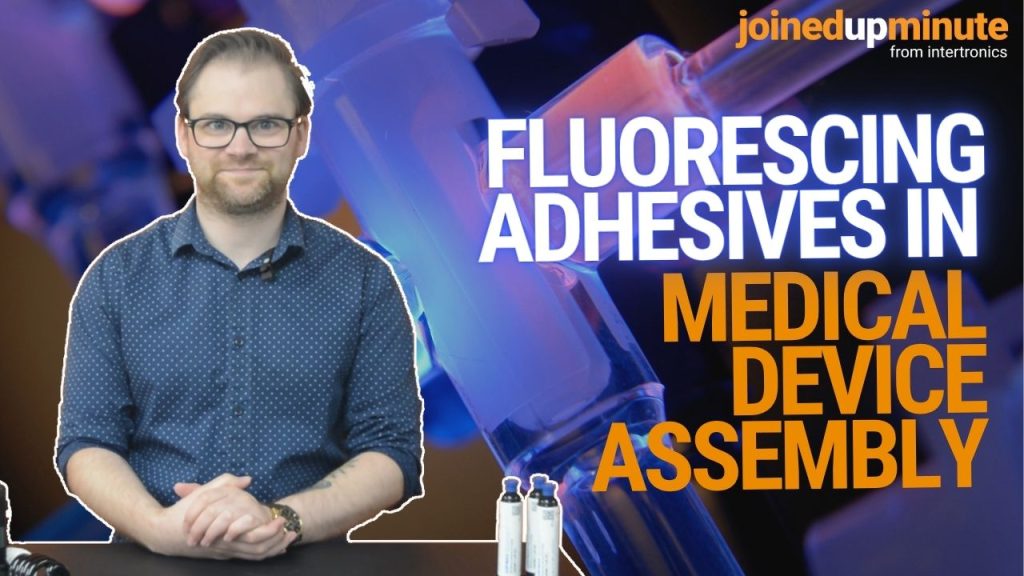
Fluorescing adhesives in medical device assembly – a JoinedUpMinute video
Struggling to see your adhesive on clear parts? Fluorescing adhesives can light the way—literally. In this JoinedUpMinute, Craig explains how fluorescence can support visual process control in medical device manufacturing. You’ll learn: What fluorescence is and how it works How it helps confirm adhesive placement and coverage Why red-fluorescing adhesives can be easier to inspect […]
Read More
White Paper: What is a medical adhesive?
What makes a medical adhesive? Medical device manufacturing demands precision, performance, and compliance – and at the heart of many assemblies is the adhesive doing the unseen but vital work. But not all adhesives are created equal, and in this highly regulated field, the wrong choice can have serious consequences. In this article entitled What […]
Read More
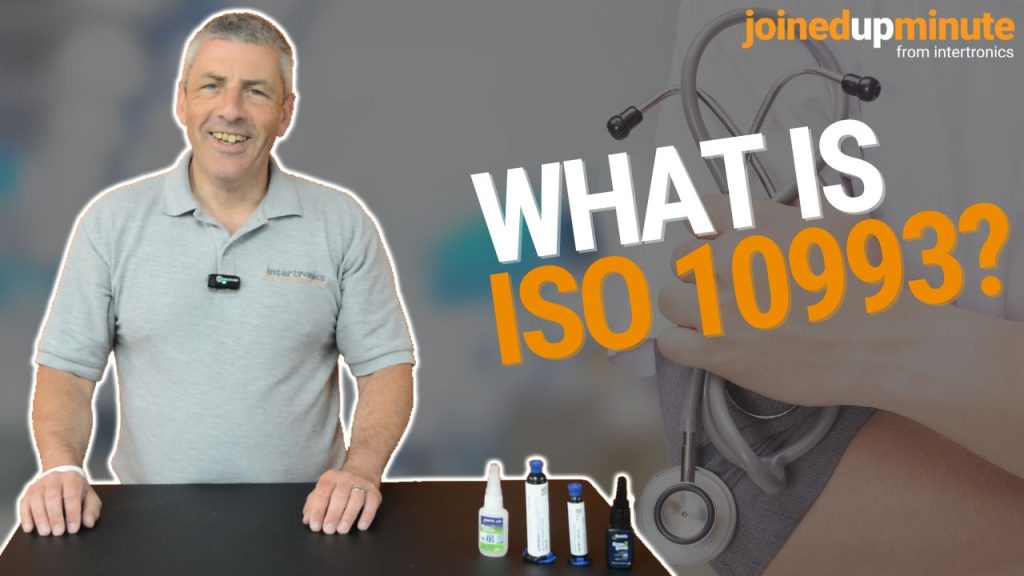
What is ISO 10993? – a JoinedUpMinute video
If your product touches the human body—or goes inside it—biocompatibility matters. In this JoinedUpMinute, Darren explains ISO 10993: What it is and why it’s important The types of tests it includes, like irritation and sensitisation Why choosing pre-tested materials can streamline medical device approvals Working on a medical application? We’ve got materials that meet ISO […]
Read More

Gurit and medmix partner to deliver sustainable bonding – available from Intertronics
Two of our principals have teamed up! A leader in high-precision delivery devices, medmix has partnered with Gurit, a manufacturer and supplier of advanced composite materials, in our launch of BondPro, the next-generation, two-component epoxy adhesives engineered by Gurit. BondPro is dispensed using the MIXPAC™ greenLine™ cartridge system from medmix, combining Gurit’s innovation in adhesive […]
Read More
Do you need specific adhesives for wearable device manufacturing? – a JoinedUpMinute video
When adhesives come into contact with skin—directly or indirectly—choosing the right one becomes even more important. In this JoinedUpMinute, Matt looks at adhesives in wearable devices and why skin sensitivity matters. You’ll learn: Where adhesives are used in wearables Which ingredients may cause irritation (like IBOA and TPOs) What to look for—such as ISO 10993-10 […]
Read More
What is 85/85 testing? – JoinedUpMinute video
Harsh environments can take their toll on bonded products – but how do you test for that without waiting years? In this JoinedUpMinute, Darren explains the 85/85 test: 🔸What it is and how it works 🔸Why it’s used to simulate long-term heat and humidity exposure 🔸Why this test is tough on adhesive bonds 🔸How engineered […]
Read More
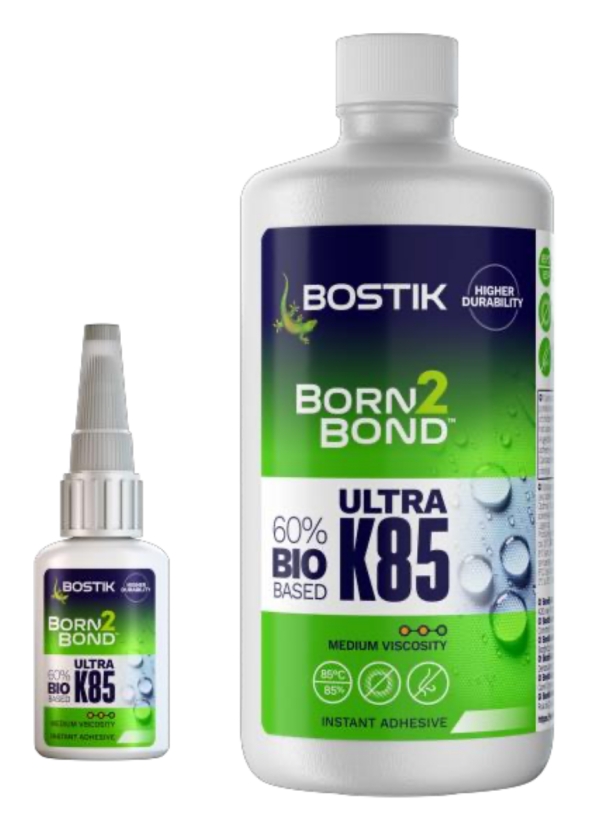
Ultra K85 enables new uses for cyanoacrylate adhesives
We would like to present Born2Bond™ Ultra K85 cyanoacrylate adhesive, a fast curing, single-part adhesive – the first ‘instant’ adhesive to withstand up to 1,000 hours at 85°C and 85% relative humidity. It can bond a wide range of substrates including plastics, rubbers, and metals and is applicable to applications in sectors like consumer electronics, […]
Read More
Understanding adhesive fixture time – JoinedUpMinute video
How long should you wait before handling your bonded parts? In this JoinedUpMinute, Darren explains why fixture time matters and how it differs from full cure time. In this video, you’ll learn:🔸 What fixture time really means🔸 Why it’s different from full cure time🔸 How handling parts too soon can affect bond strength🔸 How understanding […]
Read More
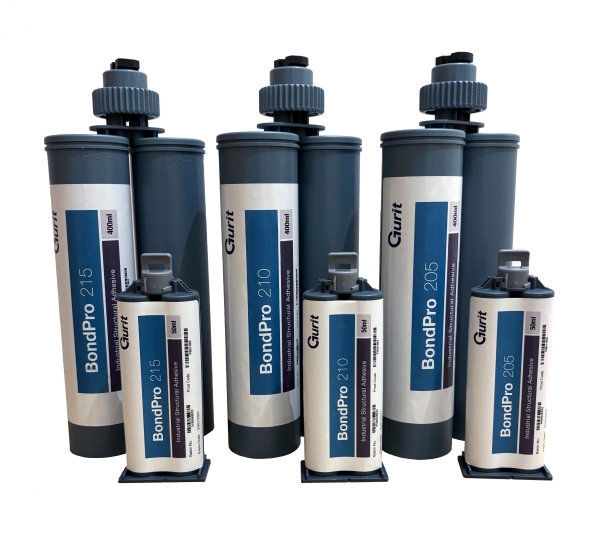
Intertronics becomes distributor of Gurit BondPro adhesives
We have made an agreement with advanced composites supplier Gurit to distribute its high performance, two-component BondPro Epoxy Adhesives, designed for applications that require strong, reliable bonding in industries like automotive, transportation, industrial, and construction. Gurit BondPro are high-strength two-part structural epoxy adhesives designed for long-lasting durability. With a selection of working and fixture times, […]
Read More

MMA structural adhesives in vehicle manufacture
Methyl methacrylate adhesives (MMAs) have found many successful applications in the manufacture of vehicles like cars, trucks, caravans and trailers. They can be used for bonding sun visors, sealing windows, cabins and dashboards, front grilles, bumper end caps, headlight surrounds, door extensions, brackets, panel bonding, trailer load lockers, trailer capping, trailer roofs and roof spoilers. […]
Read More

Tesla: it is not the adhesive’s fault
A high profile adhesive failure has hit the news in the last few days. The story has been widely reported – for example: Nearly All Cybertrucks Have Been Recalled Because Tesla Used the Wrong Glue. Reports suggest that Tesla will recall 46,000 Cybertrucks to repair a stainless steel trim panel that could come off the […]
Read More
How to prepare a two-part cartridge for dispensing – JoinedUpMinute video
In this JoinedUpMinute, Matt walks you through the key steps for preparing a two-part cartridge before dispensing. You’ll learn: The correct preparation process for two-part cartridges How skipping steps can affect your chances of success Let’s go! Read more about this topic in our blog How to prepare two-part cartridges for dispensing. JoinedUpMinute is our […]
Read More
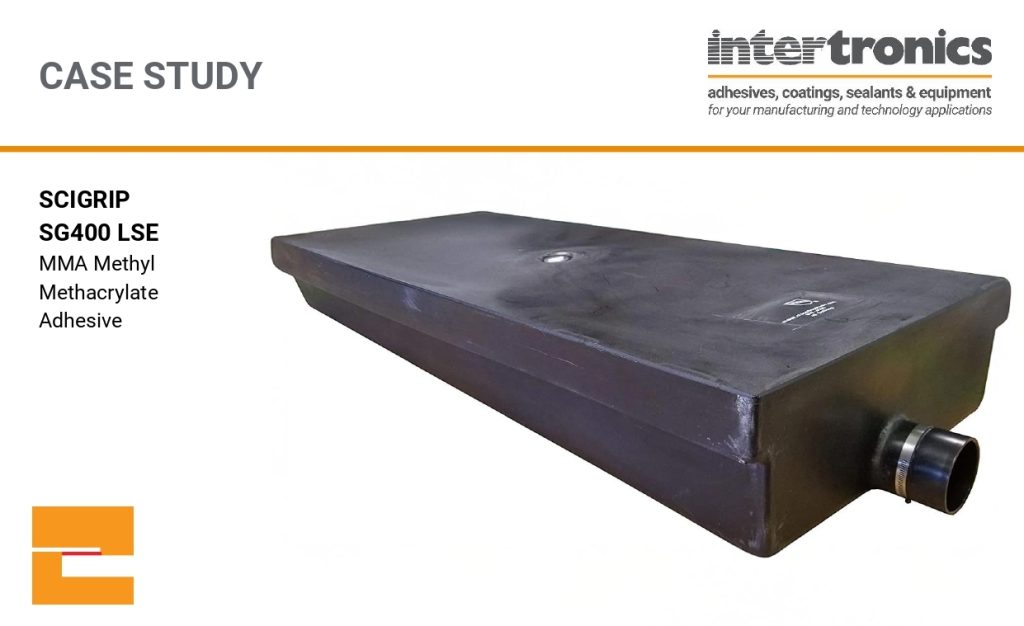
Case study: bonding and sealing polyethylene tanks using MMA adhesive
Our partner, IPS Adhesives, worked with a rotational moulding company to repair blow holes frequently occurring in their low density polyethylene (LDPE) tanks using our methyl methacrylate adhesive (MMA), SCIGRIP SG400LSE. The manufacturer of tanks used for things such as water and wastewater collection was frequently discovering blow holes in their tanks, sometimes up to […]
Read More
What is a structural adhesive? – JoinedUpMinute video
What makes an adhesive “structural”? Here’s Kevin to explain in this week’s JoinedUpMinute video. You’ll learn: What a structural adhesive is What adhesive chemistries are typically structural What each of those chemistries are particularly good at How to select a structural adhesive for your application Have a look! Download our Structural Adhesive Selector Guide here […]
Read More
What is the difference between pot life and working life? – a JoinedUpMinute video
Here’s this week’s JoinedUpMinute video, with Holly talking about the difference between pot life and working life (also known as open time). You’ll learn: What is pot life What is working life Why understanding these properties affects the quality of your process Let’s go! For further information on this topic, have a read of our […]
Read More
Why is my UV adhesive tacky? – JoinedUpMinute video
Sometimes, UV cured materials may have a tacky surface after curing. Here’s Simon to explain in this week’s JoinedUpMinute video. You’ll learn: What can cause a tacky surface on UV-cured materials What it looks like How to rectify the problem Check it out! You can also read our blog post on achieving a tack-free cure […]
Read More
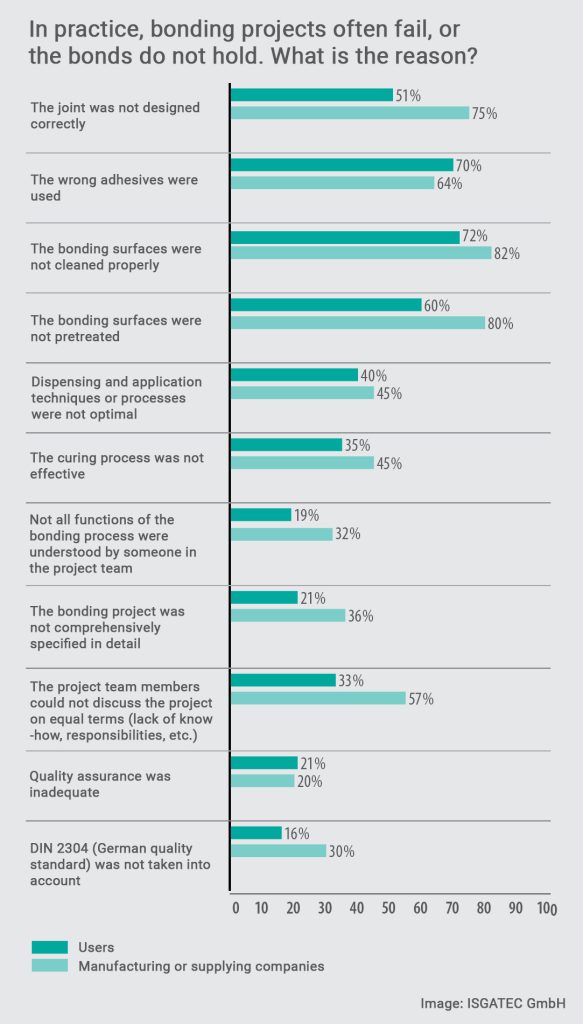
Why did the adhesive process fail?
An article in the German trade magazine Dicht! (focused on sealing, bonding and polymers), asked both users and manufacturers of adhesives what the leading causes are of bond failure. While users and manufacturers had slightly different perspectives and perceptions of adhesive process failure, they are on similar wavelengths. The results present a useful list of […]
Read More
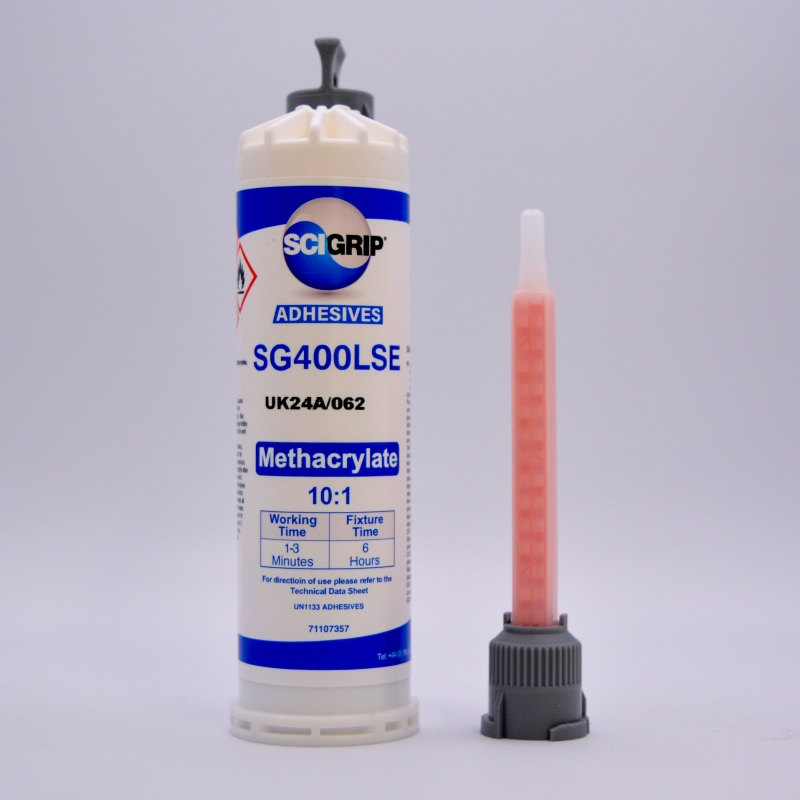
Adhesive strength test report on polypropylene
Low surface energy (LSE) substrates are notoriously difficult to bond. These substrates have a low affinity for other substances which result in poor wetting properties. As a result, traditional adhesives often fail to adhere to these substrates securely. To overcome this, several strategies can be employed including surface treatment, primer or adhesion promoter, and mechanical […]
Read More
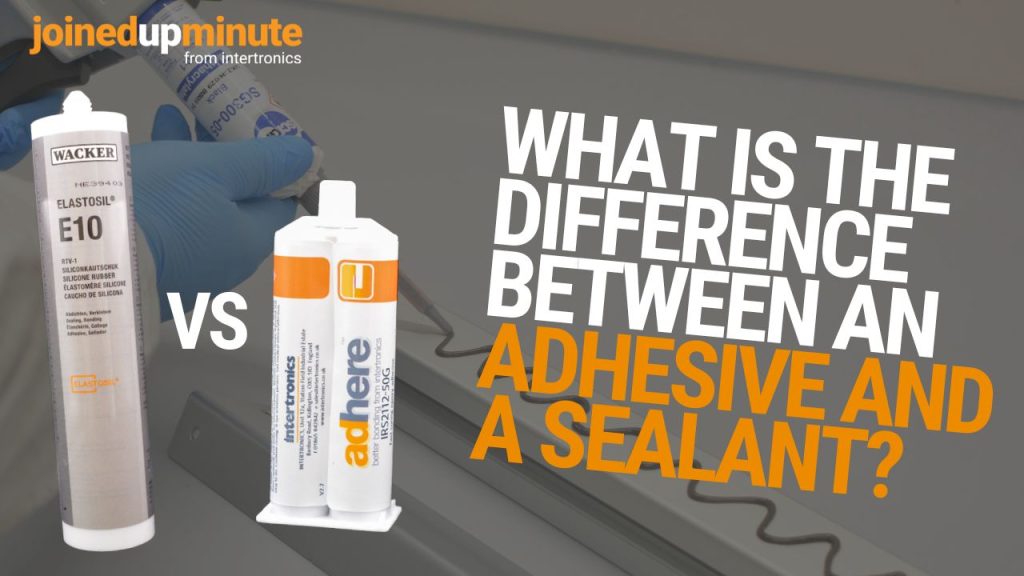
What’s the difference between adhesives and sealants? – JoinedUpMinute video
Adhesives versus sealants – aren’t they kind of the same thing? Spend a minute with Kevin today while he explains: What is a structural adhesive What is a sealant What is the common ground between adhesives and sealants Get stuck in! If you like Kevin’s style and want him to provide you with a tailored […]
Read More
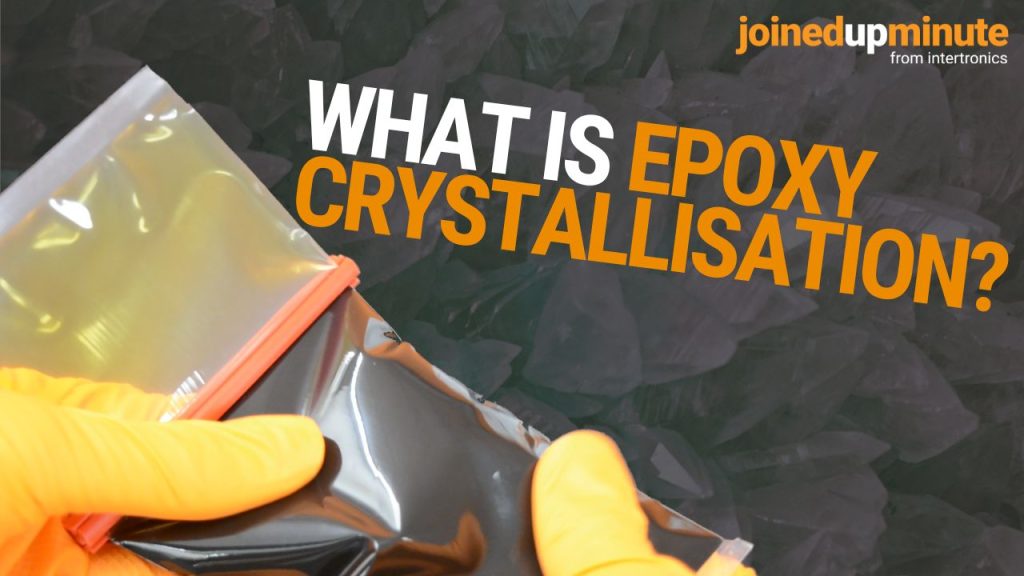
What is epoxy crystallisation? – JoinedUpMinute video
Does your unmixed epoxy adhesive contain lumps or look a bit milky? Don’t throw it away! Just spare a minute for Kevin to explain epoxy crystallisation in this week’s JoinedUpMinute video. You’ll learn: Signs of epoxy crystallisation What causes epoxy crystallisation How to reverse the crystallisation so you can use the epoxy as usual Check […]
Read More
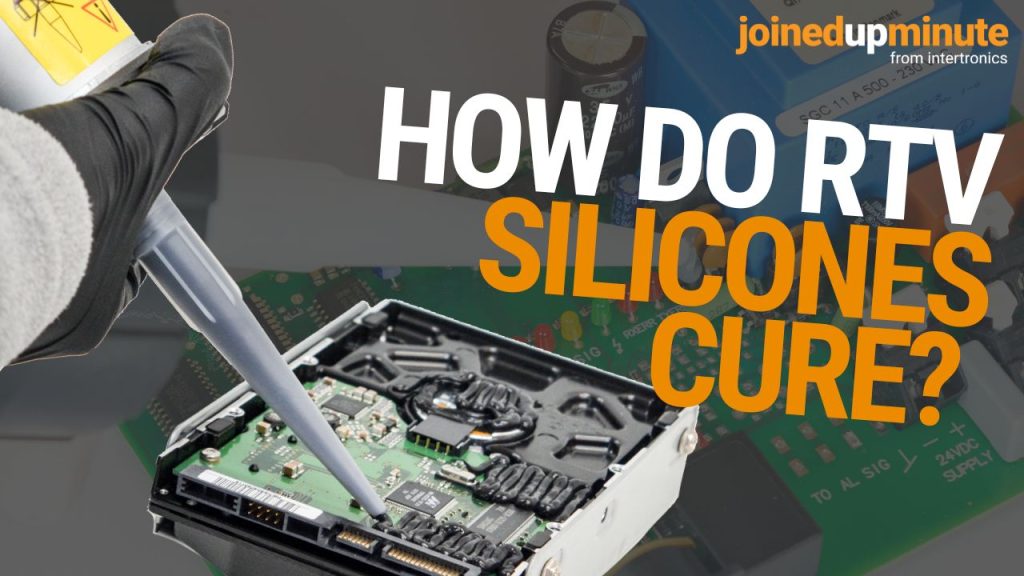
How does RTV silicone cure? – JoinedUpMinute video
This week, our JoinedUpMinute video is about how room temperature vulcanising (“RTV”) silicones cure, courtesy of Ben. You’ll learn: What’s the most important factor in curing for RTV silicones? What are the other variables at play? Have a look! For more information about curing, read “Adhesive Problem? What’s the Cure?”. And naturally, you’ll find product […]
Read More
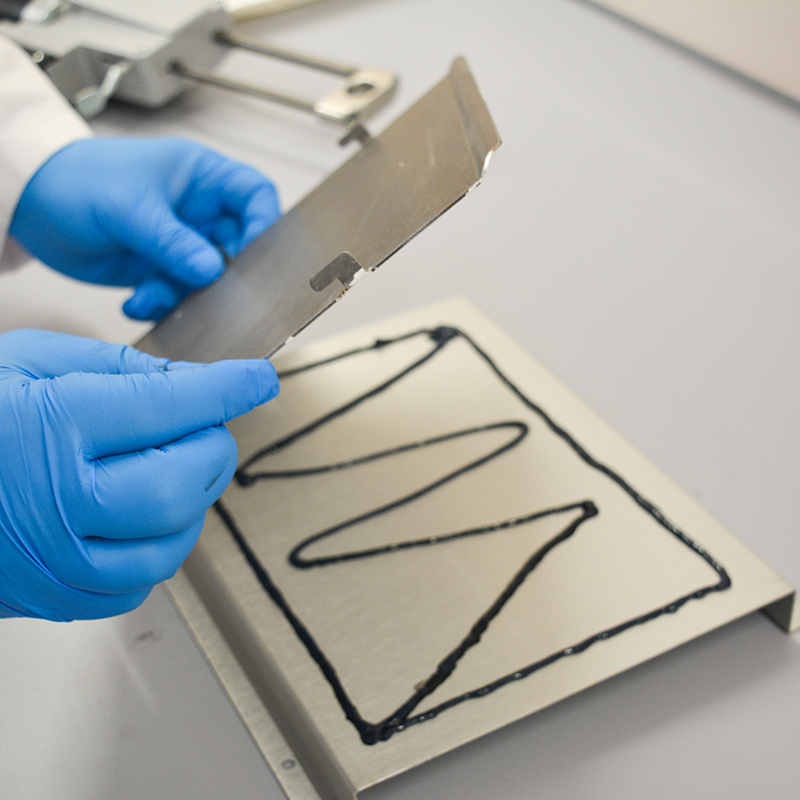
Why use a structural adhesive? – adhesives vs mechanical fastenings
In thousands of applications, structural adhesives are being used as a viable alternative to mechanical connections: screws, rivets, or spot welds. The use of adhesives to provide a structural bond can bring many advantages, including improved product performance, reliability improvements, greater design freedom, and reductions in manufacturing costs. Sometimes known as “chemical joining” — to […]
Read More
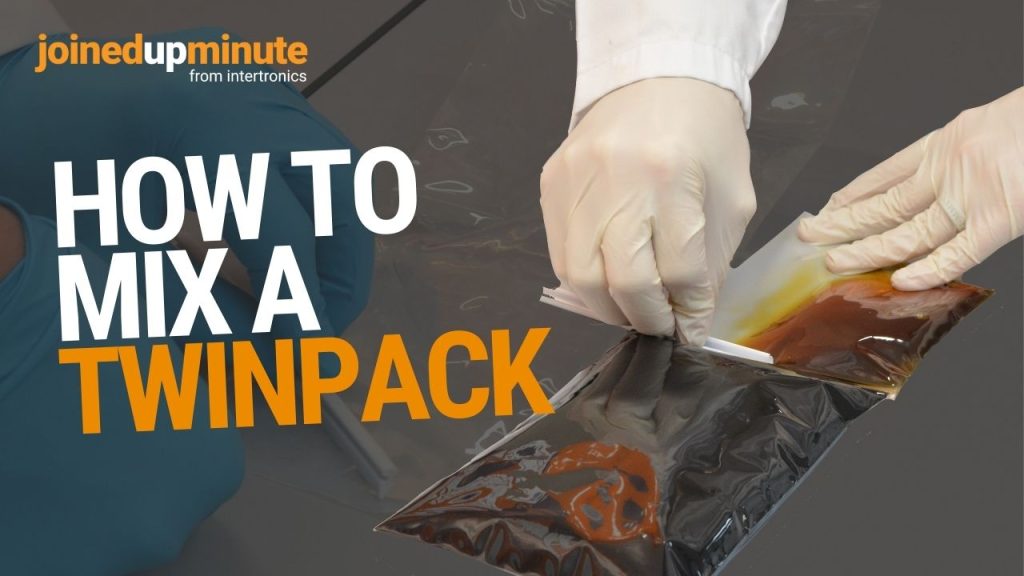
How to mix a twinpack: our first JoinedUpMinute video
We’re kicking off a new video series called JoinedUpMinute, and our inaugural clip features Matt giving a quick tutorial on how to mix a twinpack. He reviews: Basic mixing methods for twinpacks How to mix the material completely and thoroughly How to dispense material that comes in a twinpack Have a look! For further […]
Read More

Meeting the bonding requirements of rail component manufacturing: SCIGRIP SG300
Vibration. Expansion and contraction. Environmental aggravators such as heat and moisture. All of these present challenges to finding a suitable adhesive, but SCIGRIP SG300 Methyl Methacrylate Adhesive for rail applications performs very well in all of these circumstances, while offering fast curing speeds and easy processing. Designed to bond metal, but also adept at bonding […]
Read More
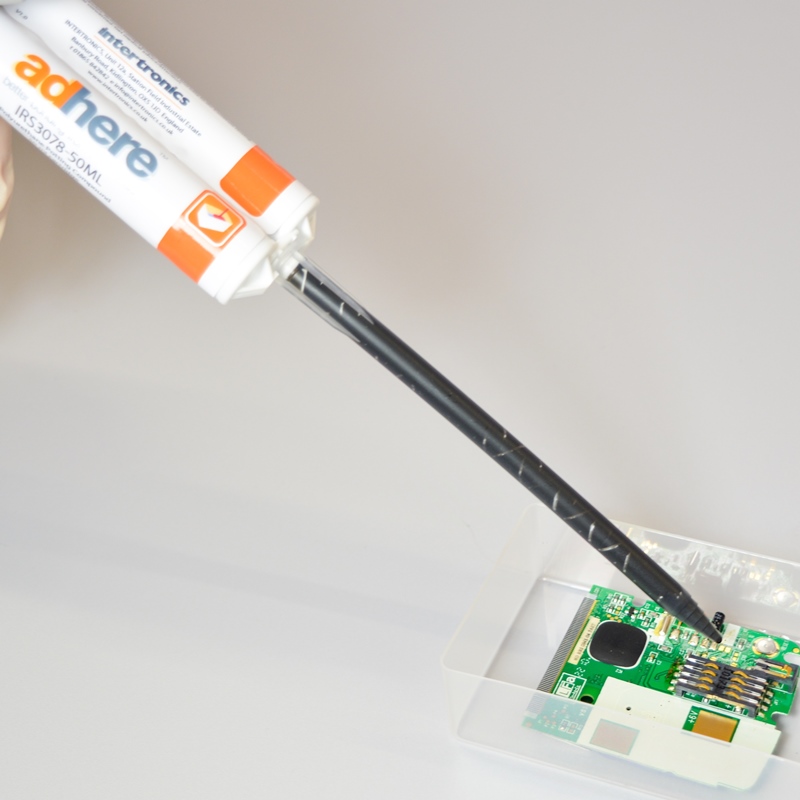
How to select a static mixing nozzle
Transforming two-part adhesives and potting compounds into homogeneously mixed, ready-to-use materials is often the job of the humble static mixing nozzle. Capable of blending materials quickly, these nozzles ensure that components are completely combined and ready for use in your specific application. In our newly released Technical Bulletin How to Select a Static Mixing Nozzle, […]
Read More
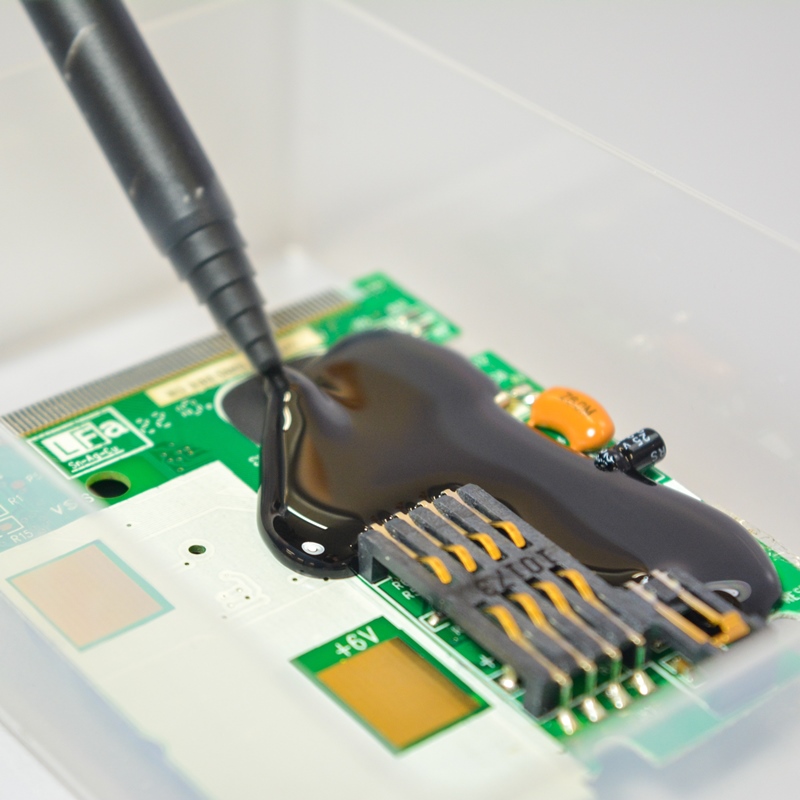
Intertronics academy: mix ratio – weight and volume and density
Two part adhesives, potting compounds and similar materials need to be mixed in the correct ratio of the two parts in order to achieve the properties stated on the product data sheet. In many cases, this is easy. Most of our two part structural adhesives are packaged in two-part cartridges with static mixing nozzles, so […]
Read More
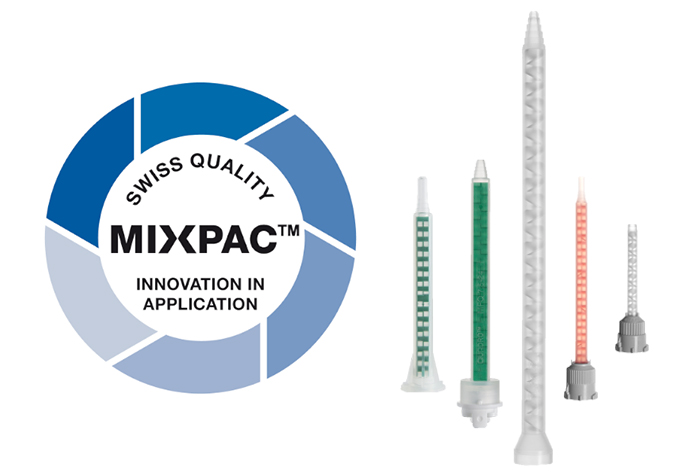
Intertronics strikes distribution agreement with medmix
We have agreed a new distribution agreement with medmix, the leading system provider in mixing, dosing, and adhesives application for industrial applications, for its MIXPAC™ product range. Intertronics are now able to supply a wide variety of mixers, cartridges, and dispensers to our UK customers, serving multiple sectors, from electronics to construction. The new partnership […]
Read More
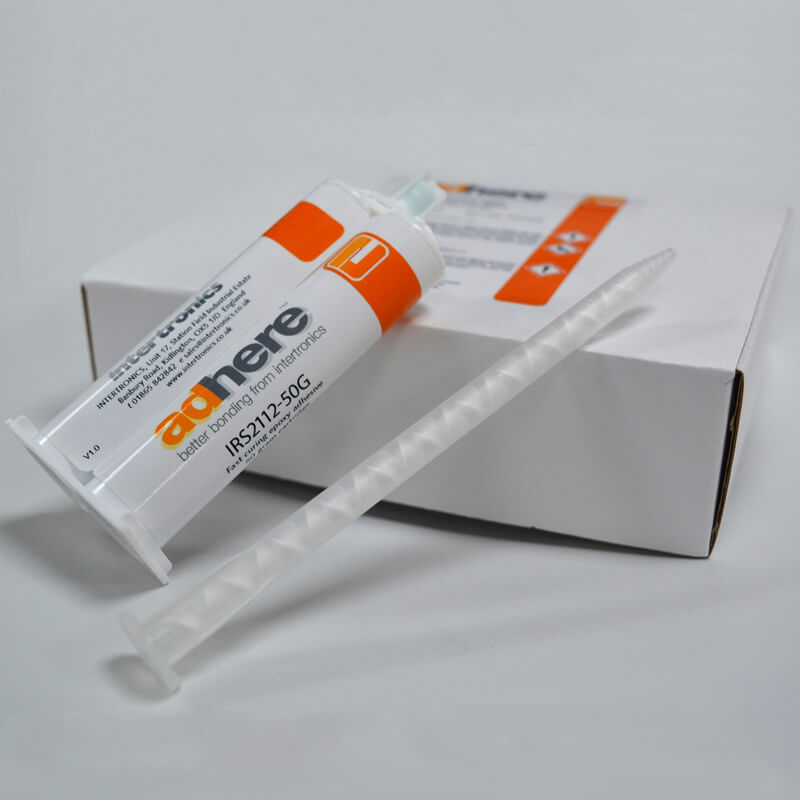
Intertronics academy: health and safety for two-part adhesives
Adhesives are chemicals; they require your respect when using them. You should consult and follow the SDS (safety data sheet) and the manufacturer’s recommendations before using to minimise risks from skin contact, inhalation of vapours, and exposure to other hazards – and conduct a risk assessment. Once cured, adhesives generally pose limited health and safety […]
Read More

MMA structural adhesives in aerospace: an overview
Important properties for a structural adhesive in an aerospace application are strength, toughness, and flexibility, alongside temperature and environmental resistance. When choosing an adhesive, methyl methacrylate structural adhesives (MMAs) may be a good candidate to test, as these adhesives offer strength, toughness, and ease of use when bonding a broad range of materials, including metals, […]
Read More
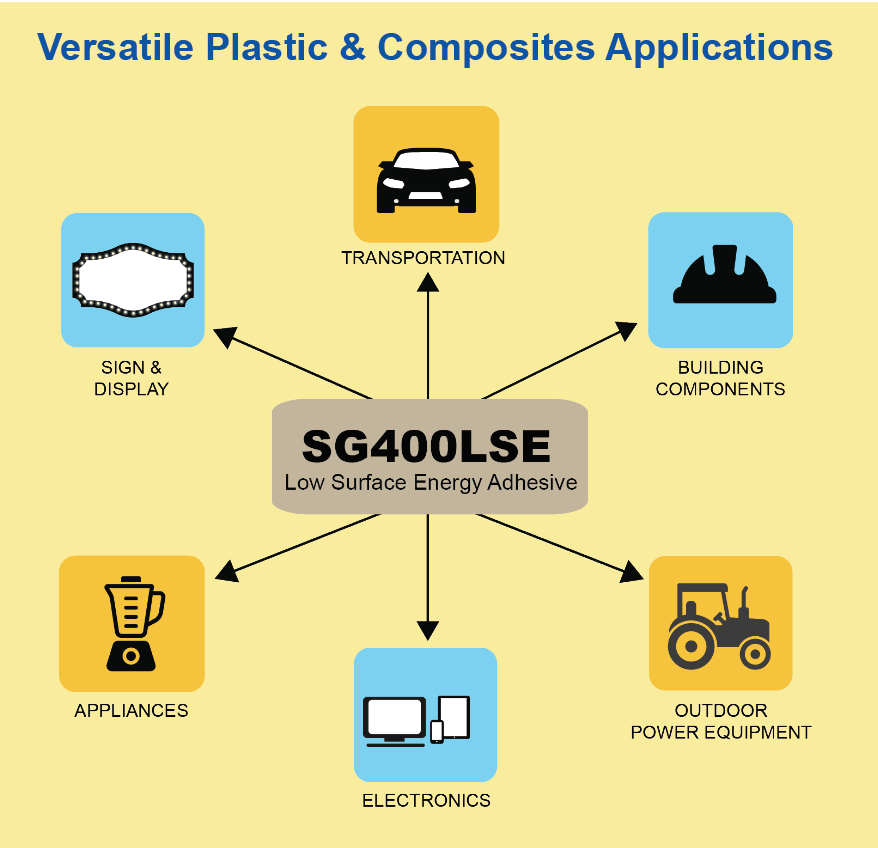
Adhesive for bonding polypropylene, polyethylene and more
Our partners SCIGRIP have announced the new SG400LSE MMA Methyl Methacrylate Adhesive for Low Surface Energy Plastics that creates fast and strong bonds with low surface energy plastics. SG400LSE has been tested on high-density polyethylene (HDPE), ultrahigh molecular weight (UHMW) PE, and homopolymer, copolymer and glass-filled polypropylene (PP) – bond strength testing results in substrate […]
Read More
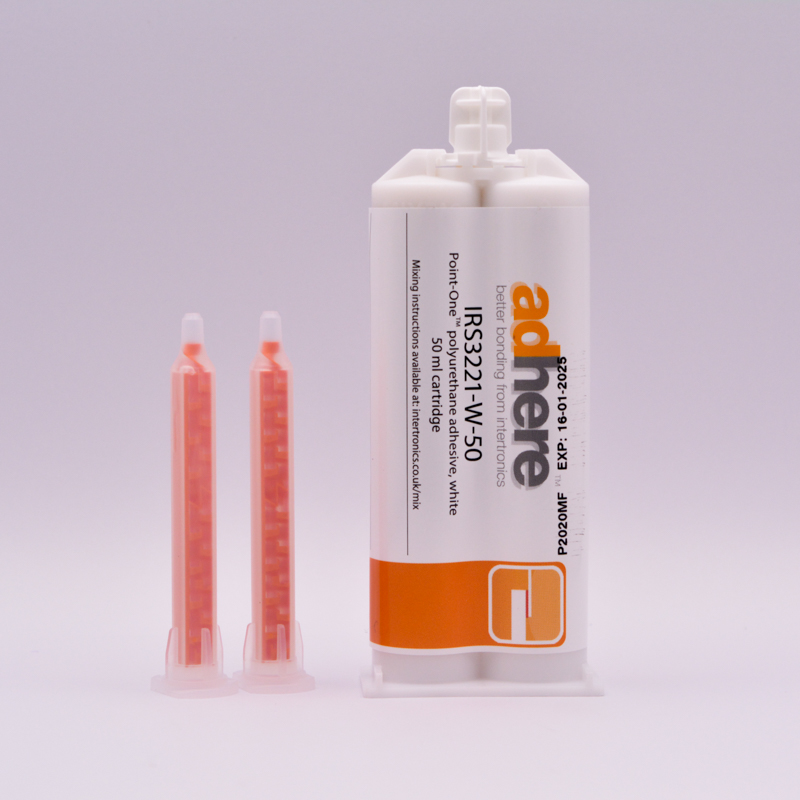
Intertronics academy: storage and packaging of two-part structural adhesives
An adhesive’s data sheet will detail its storage requirements, but most two-part structural adhesives will last their whole specified shelf life if stored at room temperature in a cool dark place. There are some differences between the chemistries that may impact how they are packaged and stored. For example, both components of a two-part polyurethane […]
Read More
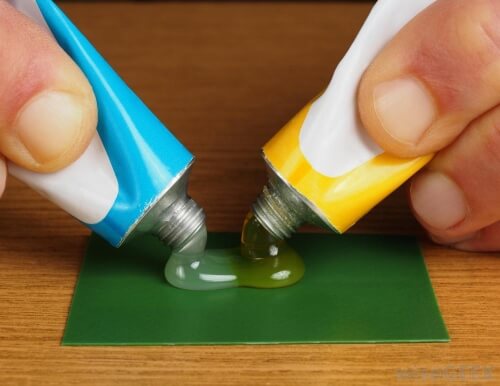
Intertronics academy: handling and processing two-part structural adhesives
It’s common for structural adhesive chemistries like epoxies, polyurethanes (PUs), and methyl methacrylates (MMAs) to have been formulated as two component parts – known as “two-part”, or “2K” adhesives. The two components of these adhesives are generally categorised as the resin (or base) and the hardener (or activator). Mixing the two parts initiates a chemical […]
Read More
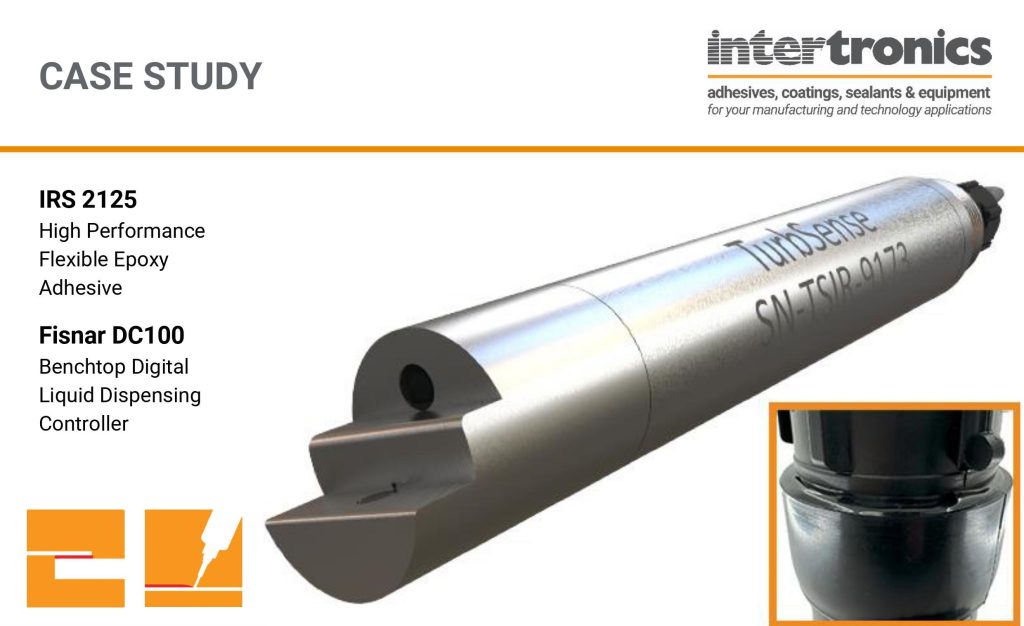
Case study: flexible epoxy drives performance
We are supplying Process Instruments (Pi), a water analyser instrument manufacturer, with our IRS 2125 High Performance Flexible Epoxy Adhesive. This versatile adhesive offered performance benefits as a thread locker on flow cells and an IP68 rated sealant on sensors. Pi manufactures and supplies water analyser instrument solutions that can reliably, continuously, and accurately measure […]
Read More
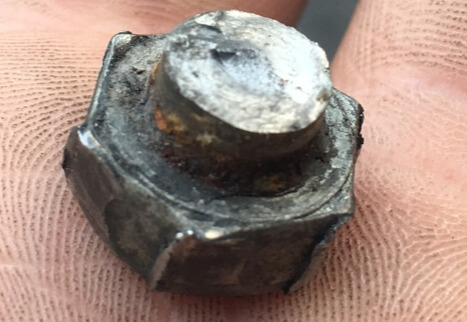
Cyanoacrylate adhesive – a bad nuclear option
This week, I have been entertained on my drive to work by a BBC Sounds podcast called Glued Up: The Sticky Story of Humanity. Mark Miodownik, a materials scientist, engineer, broadcaster and writer at University College London, narrates five 15 minute episodes charting the journey of human progress through the sticky substances that have shaped […]
Read More
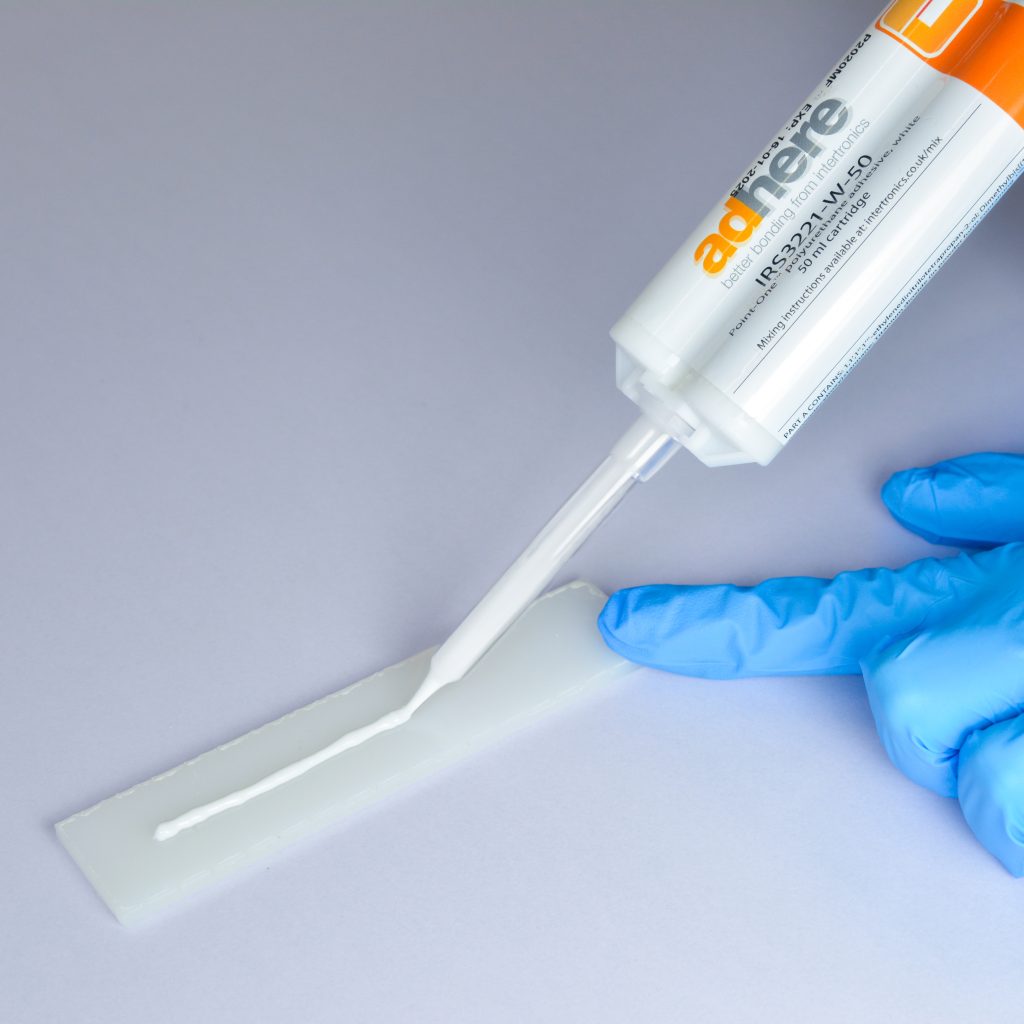
Intertronics academy: how to prepare two-part cartridges for dispensing
Many adhesives, sealants, and potting materials are packaged in two-part side-by-side cartridges, which are convenient for material application on the production line or in the field. Cartridges don’t require you to measure out materials in the correct ratio, and by adding the manufacturer’s recommended static mixing nozzle, fully mixed and homogeneous material can be dispensed […]
Read More
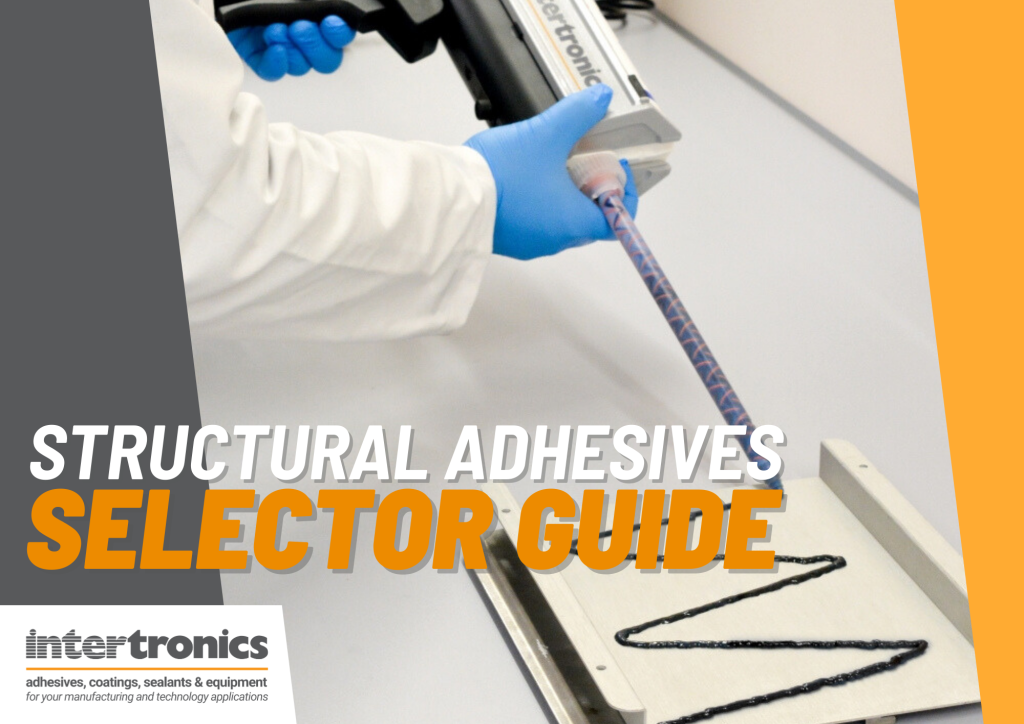
Structural adhesives selector guide now available
To help you find the right adhesive for your manufacturing application, we’ve launched a Structural Adhesive Selector Guide. The guide provides a full overview of five structural adhesive chemistries: methyl methacrylate (MMA), epoxy, polyurethane, UV curing, and cyanoacrylate. It covers 28 materials and their properties, curing considerations, compatibility considerations, and more. We have designed the […]
Read More
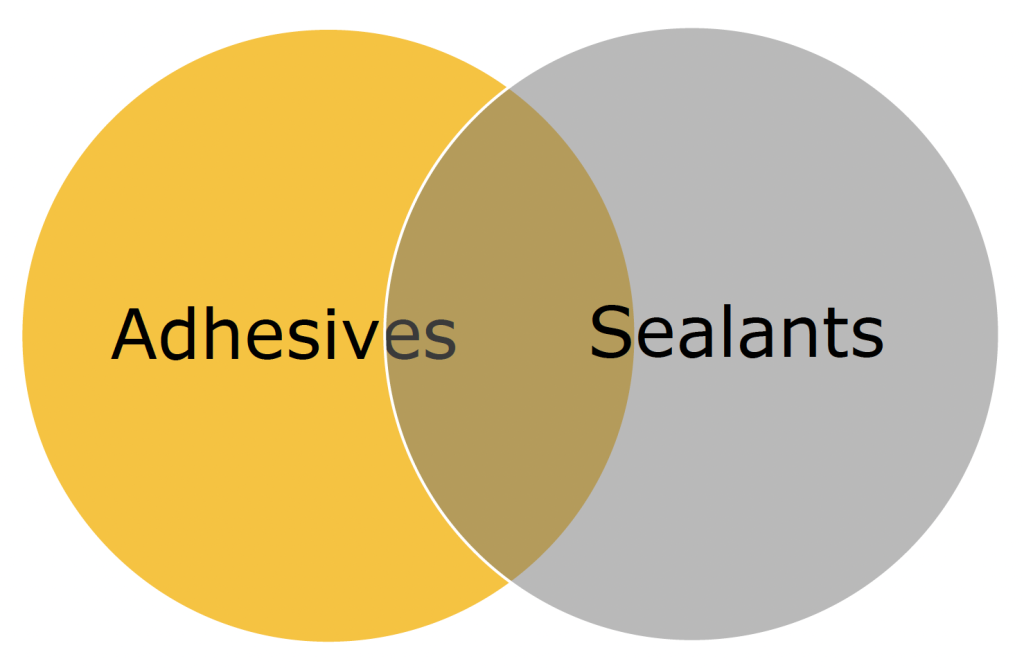
intertronics academy: what is the difference between an adhesive and a sealant?
Our customers often use adhesives and sealants in their products, in a wide variety of applications. They can be seen as quite similar materials, and indeed have overlapping uses. Some adhesives are also used as a sealant; some sealants are also used as an adhesive. We even sell products which are termed “adhesive sealants”. But […]
Read More
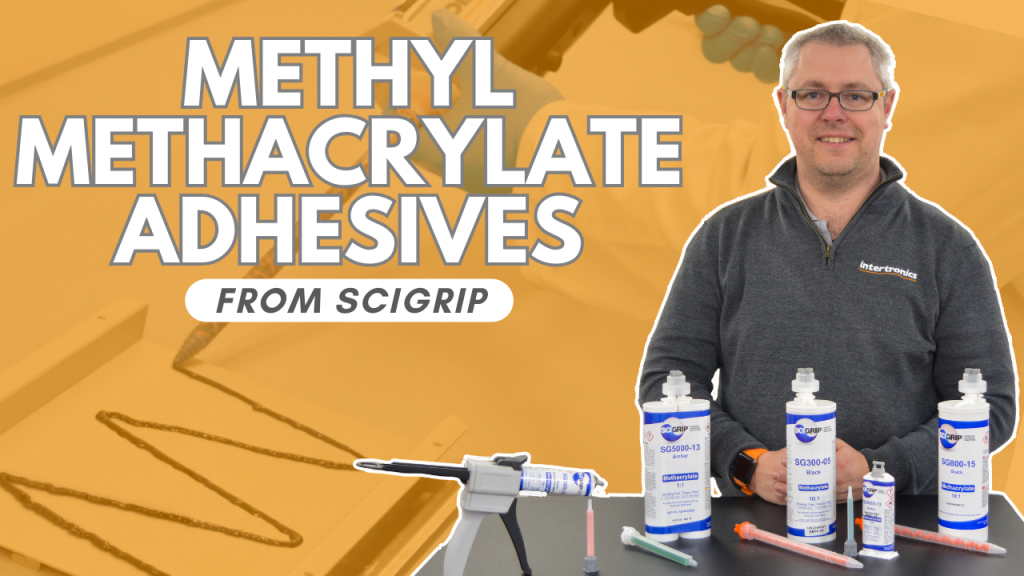
Video: form strong, durable bonds in minutes with SCIGRIP MMAs
We have a new video featuring our Head of Technical: Learning and Development, Kevin Brownsill. He talks about our new range of methyl methacrylate adhesives (MMAs) from SCIGRIP. Catch it here:
Read More
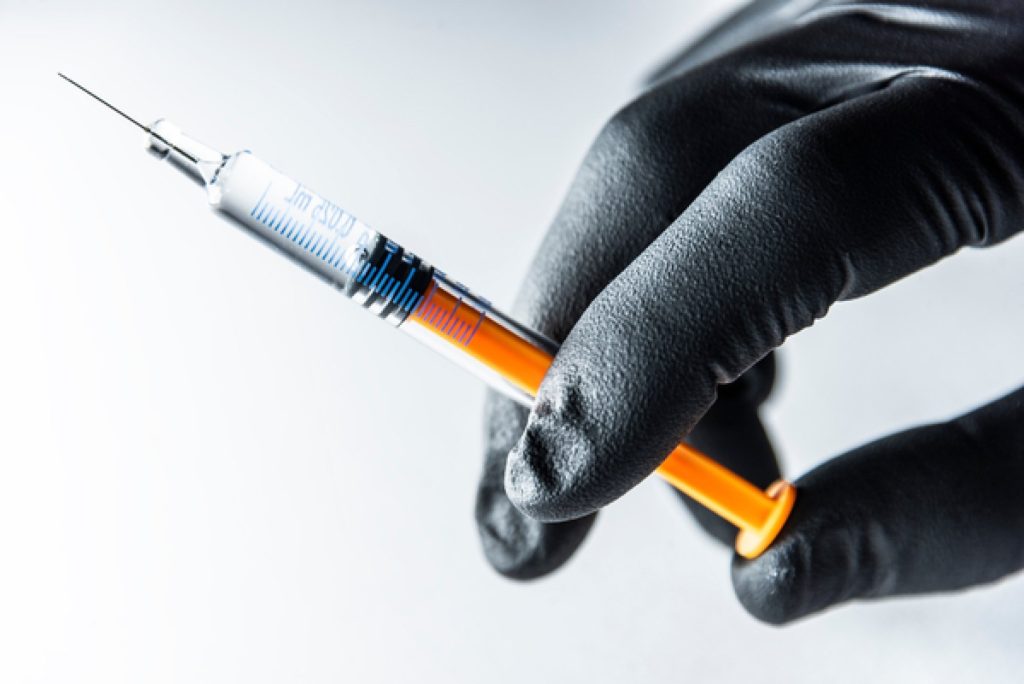
Very low extractables medical device adhesive withstands cleaning and sterilisation
Dymax 1045-M medical device adhesive was specifically formulated for the assembly of glass pre-fillable syringes, pen injectors, auto injectors, wearable injectors, and single-use devices. This very low extractables adhesive provides strong bonds that withstand the harsh cleaning and sterilisation processes pre-filled syringes undergo. Dymax 1045-M is also optimised to cure with LED UV light, providing […]
Read More
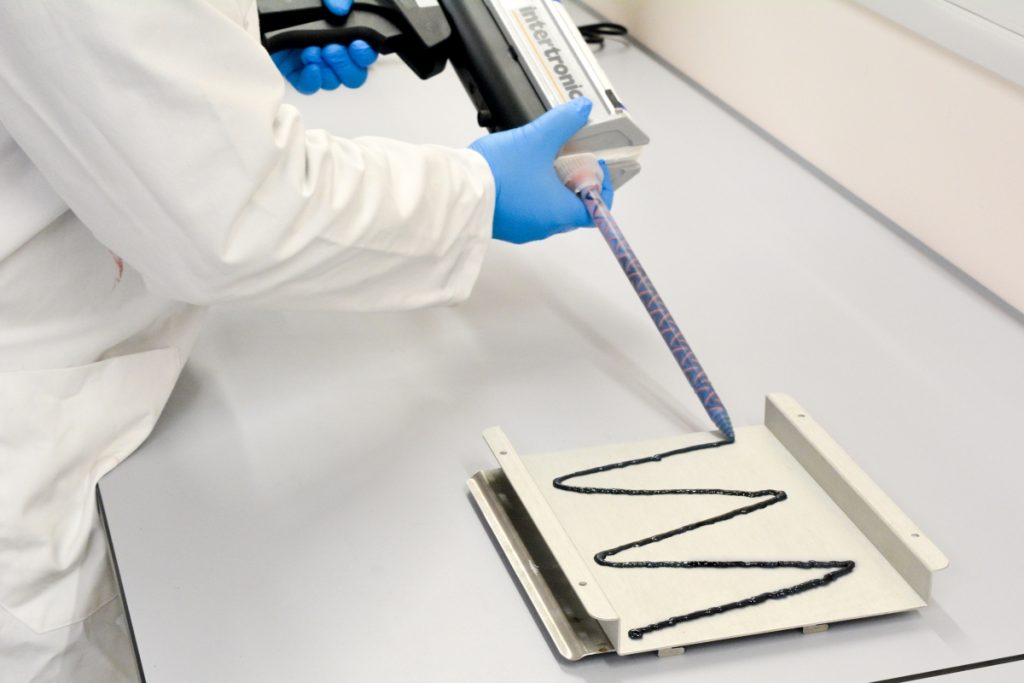
High temperature adhesive for metal bonding in automotive, rail and component manufacturing
SCIGRIP® SG800 High Temperature MMA Methyl Methacrylate Adhesive is a two component structural adhesive for bonding metals, as well as composites and plastics. Designed to withstand temperatures up to 150°C over prolonged periods, SCIGRIP SG800 is suitable for applications like under the bonnet engine bay component assembly and metal bonding prior to paint baking cycles. It displays good strength […]
Read More

Fluorescence in adhesives and coatings
I saw a newsletter article which said that fluorescent animals are much more common than previously thought. Researchers who studied 125 mammal species, including cats, bats, polar bears and wombats (pictured), found that all of them showed some form of fluorescence, and that 86% had fur which actually glowed under UV light. This picture is […]
Read More
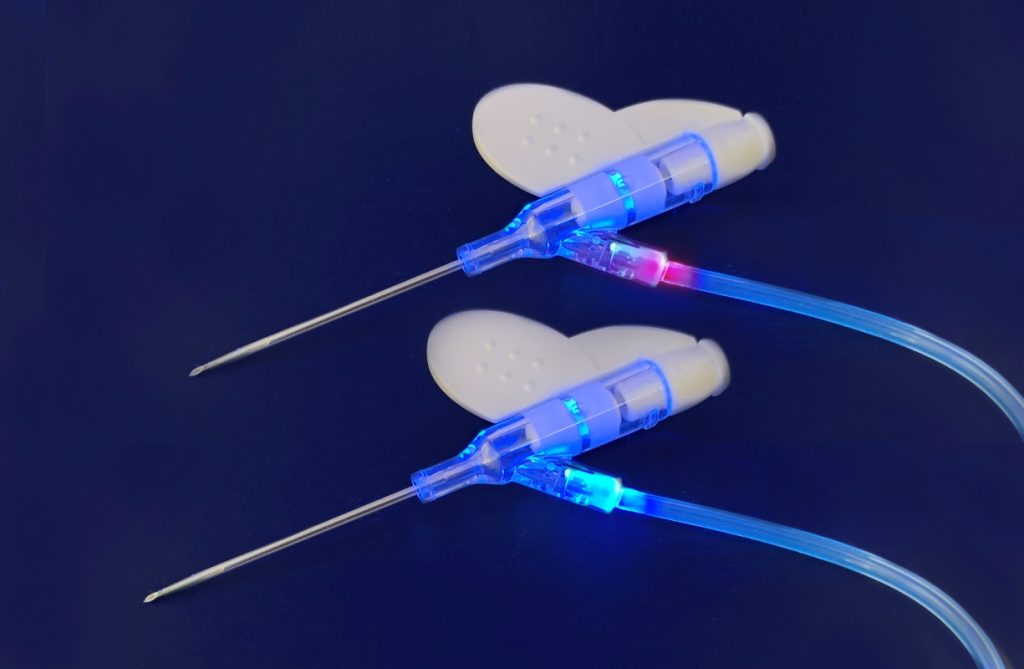
Bonding specialist medical device plastics
Medical device manufacturers are increasingly turning to specialist plastics formulated to resist harsh chemicals and survive environmental end use conditions such as sterilisation. However, the properties that allow these materials to withstand such conditions can also make them difficult to bond with adhesives. Here Kevin Brownsill, our Head of Technical: Learning and Development, shares guidance […]
Read More
Intertronics becomes UK distributor of Scigrip MMA adhesives
We’ve partnered with SCIGRIP to distribute its methyl methacrylate adhesives (MMAs) in the UK. MMAs are fast curing, two-part structural adhesives that cure on mix at room temperature to form resilient bonds. They are ideal for structural bonding of metals, plastics, and composites in industries like marine, transportation, rail, automotive, and many others. MMA technology […]
Read More
How will the new REACH diisocyanate regulations impact manufacturers using polyurethane adhesives?
Polyurethanes are polymers composed of organic units joined by urethane links. They are used to make rigid and flexible foams, and also used to make varnishes and coatings, adhesives, potting compounds, and fibres. Their most common application is in foams, which makes up around two thirds of all polyurethane use. Globally, 6% of polyurethane use […]
Read More
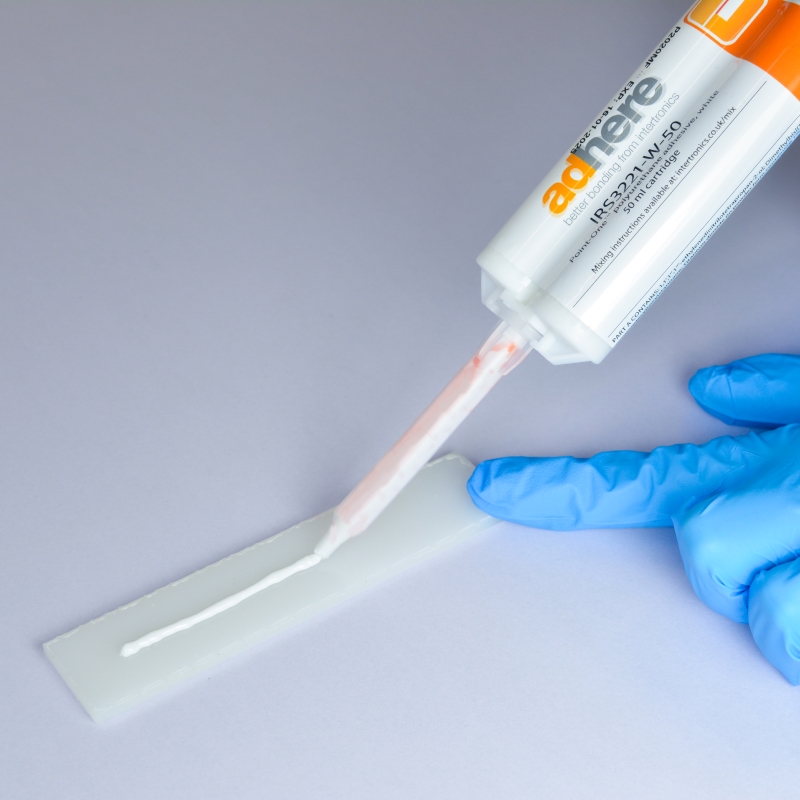
Point-One™ polyurethane adhesives do not require REACH training
The upcoming REACH training and certification requirements for users of diisocyanates are looming ever closer, impacting your use of many polyurethane adhesives in industrial applications. If you haven’t heard about this, read more here. Point-One Structural Polyurethane Adhesives are fast-curing two-part adhesives that form strong, durable bonds in as little as 10 minutes. They are […]
Read More
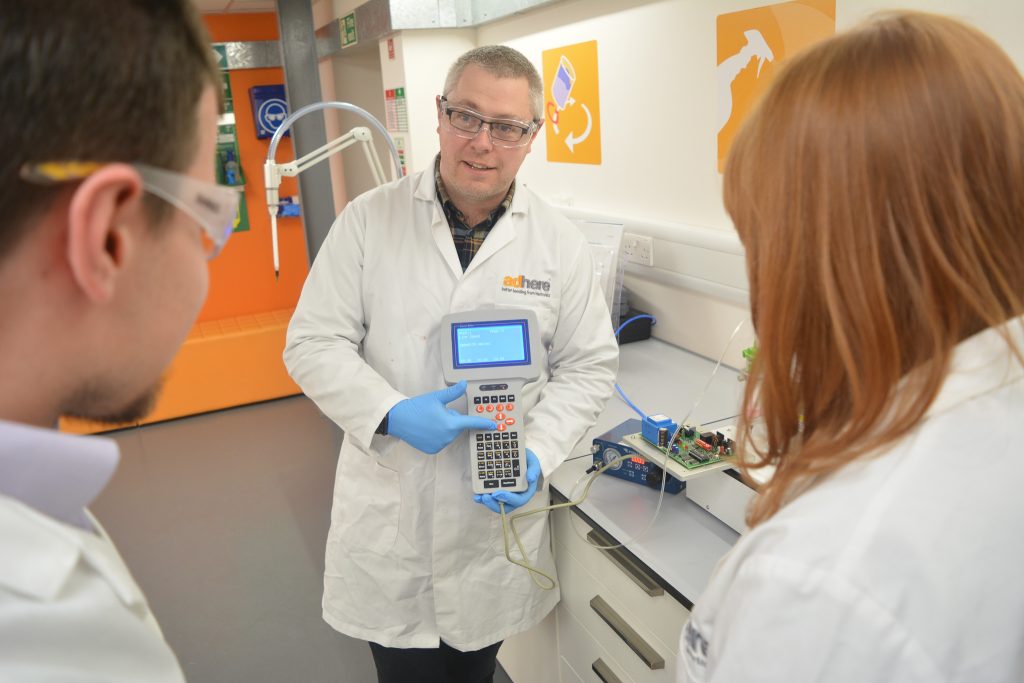
Intertronics academy: adhesive and dispensing technology seminars for you
Having spent more than 30 years working with adhesives and protective materials in technology manufacturing, and with experience of thousands of applications, we have a wealth of knowledge to we want to share. In a bid to help grow your adhesives, dispensing, and curing technology knowledge, we are offering seminars which share our insights, helping […]
Read More
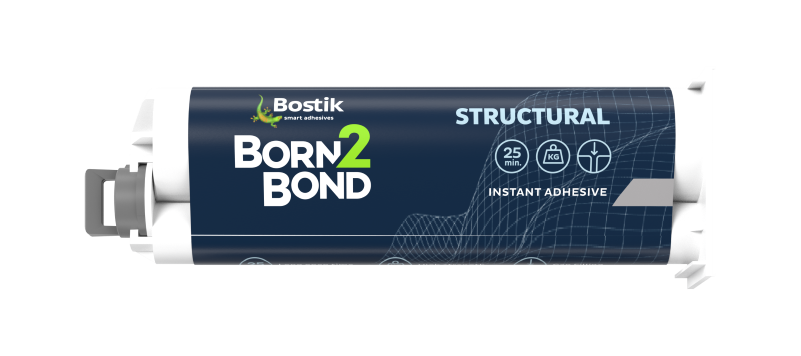
Best cyanoacrylate adhesive for structural bonding
Cyanoacrylate adhesives (CAs) have not traditionally been seen as structural adhesives or “load-bearing” adhesives – in general, their lower performance in terms of moisture and operating temperature resistance will preclude them from many technology applications. But advances in chemistry are improving the functionality and so the versatility of CAs. If you’re seeking an adhesive for […]
Read More
New legislation on the use of polyurethane adhesives and potting compounds
As of 24 August 2023, training is required for all professional and industrial users of polyurethane adhesives & sealant products with a total monomeric diisocyanate concentration of > 0.1%. New legislation on the use of polyurethane adhesives and potting compounds Following a review by the European Parliament, the REACH Restriction on aliphatic and aromatic diisocyanates (HDI, MDI, […]
Read More
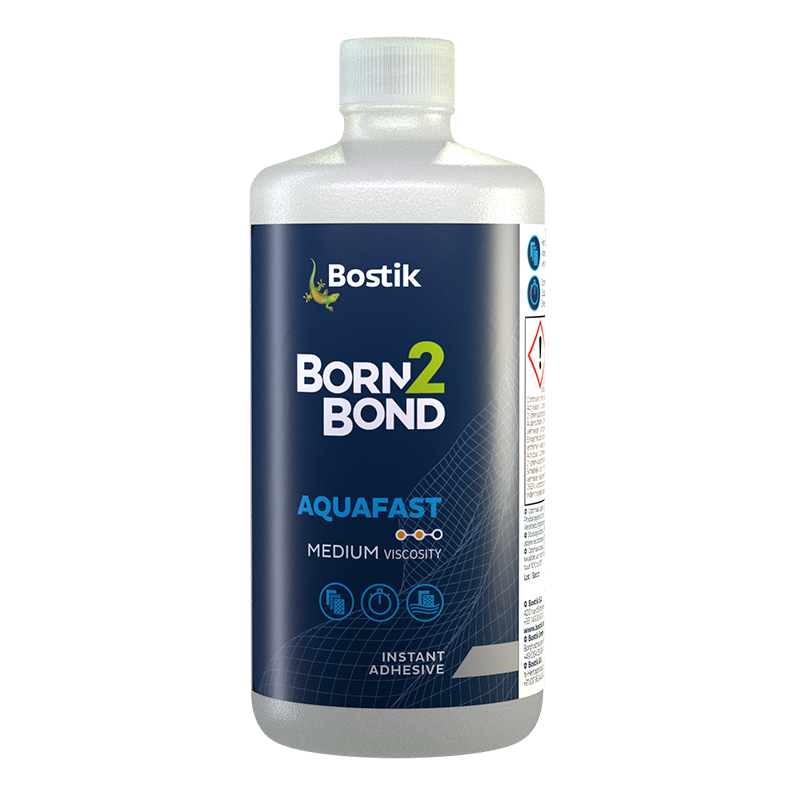
Moisture-resistant cyanoacrylate adhesive increases application potential
Cyanoacrylate adhesives (CAs) are often dismissed when it comes to applications with moisture exposure, let alone involve full submersion. That was until our partners, Born2Bond, developed a new single-part, “instant” adhesive specifically suited for environments with high humidity. Born2Bond Aquafast is a low odour, low bloom, medium-viscosity CA that offers excellent adhesion to a variety […]
Read More
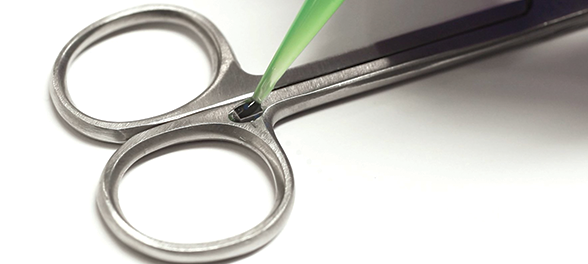
RFID tracking on surgical instruments
British surgeons are getting rather slapdash, according to The Knowledge. The number of “foreign objects” left inside patients after operations hit a record 291 in the year from 2021 to 2022, up from 156 two decades earlier. Swabs and gauzes are the most common items sewn up in patients, but scalpels and drill bits have […]
Read More
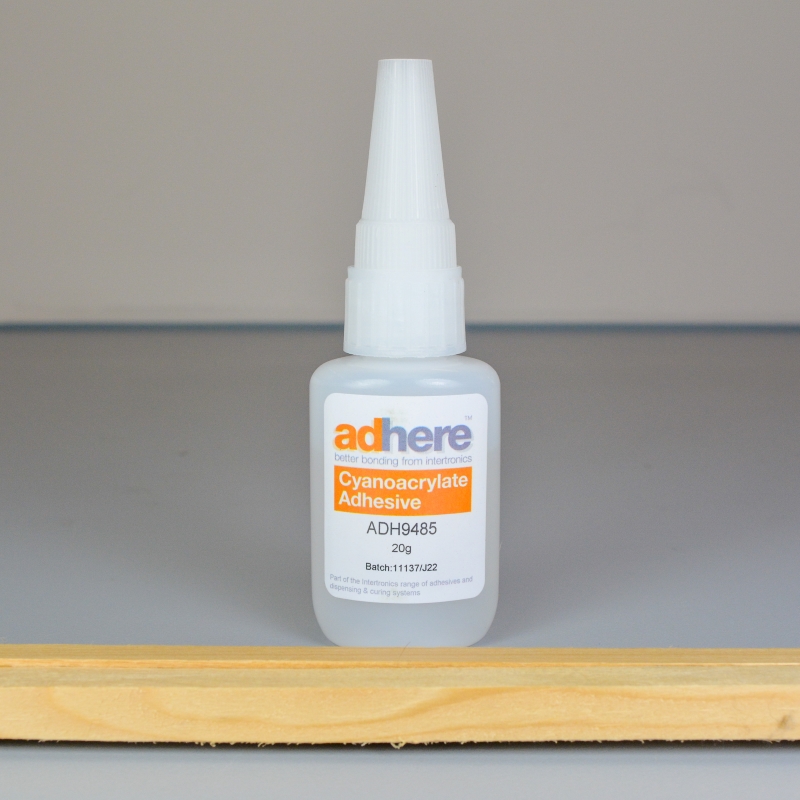
Best cyanoacrylate adhesive for wood, leather, cork or paper
Cyanoacrylate adhesives (CAs) contain an acidic inhibitor which prevents them from curing in the bottle, instead allowing the adhesive to cure upon exposure to low-level surface moisture or alkalinity (see our Adhesive Problem? What’s the Cure? download for more information). With acidic substrates, this cure mechanism can be compromised. If you are working with a […]
Read More
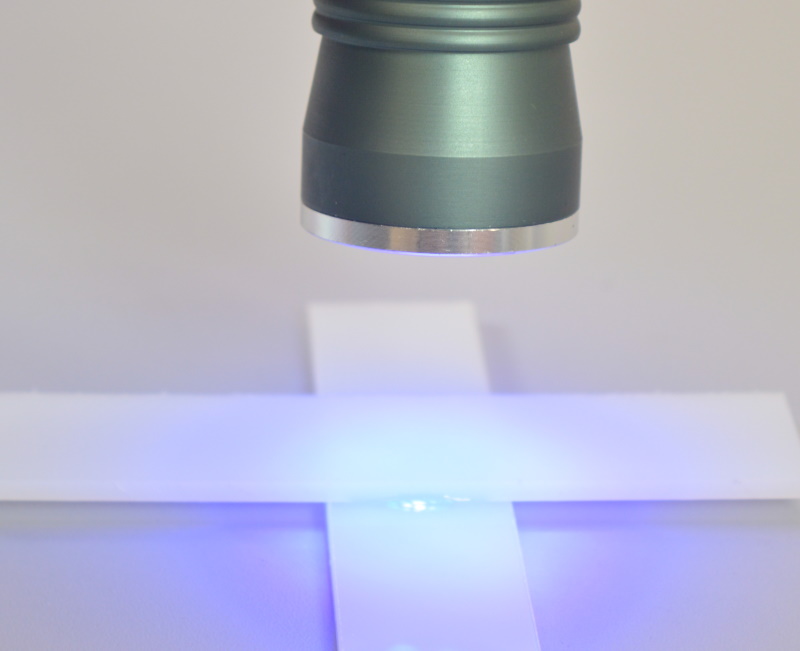
Best cyanoacrylate adhesive for shallow potting, encapsulation and bridge bonding
In applications where the adhesive is at least partly exposed (not completely interfacial), Born2Bond Light Lock is worth evaluating. It is a hybrid cyanoacrylate adhesive that reacts to UV light to cure, making it a solid choice for bondline squeeze-out, electronics encapsulation or shallow potting, and bridge bonding applications like wire tacking. Light Lock doesn’t […]
Read More
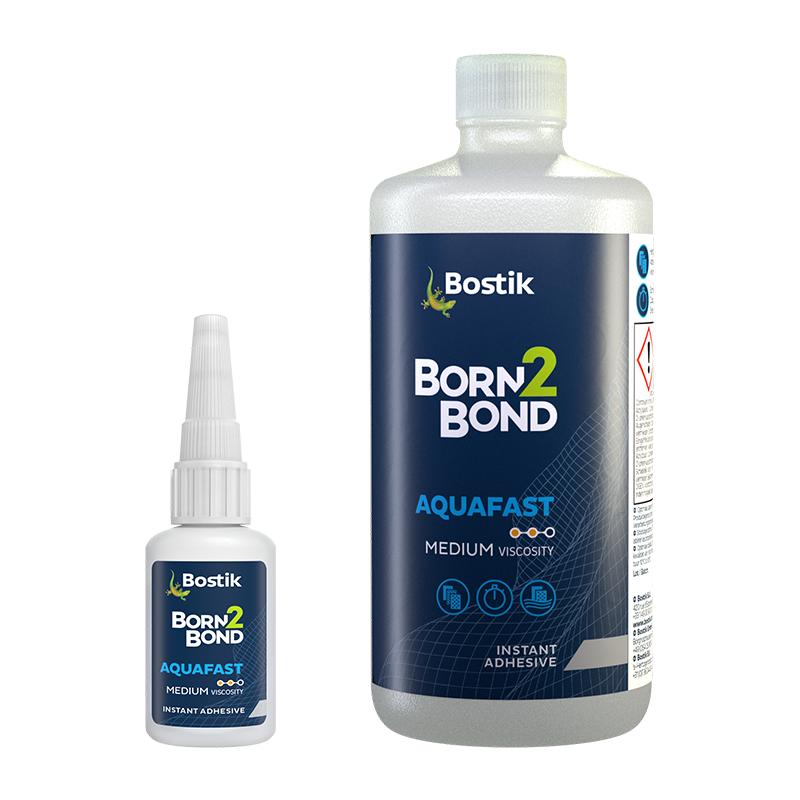
Best cyanoacrylate adhesive for moist environments
Cyanoacrylate adhesives typically perform poorly in high humidity or wet conditions, but there are exceptions to this rule. If your finished product will be exposed to a moist environment, we recommend trying Born2Bond Aquafast cyanoacrylate adhesive. It offers the standard benefits of cyanoacrylates – quick cure speed, adhesion to a broad variety of substrates, and […]
Read More
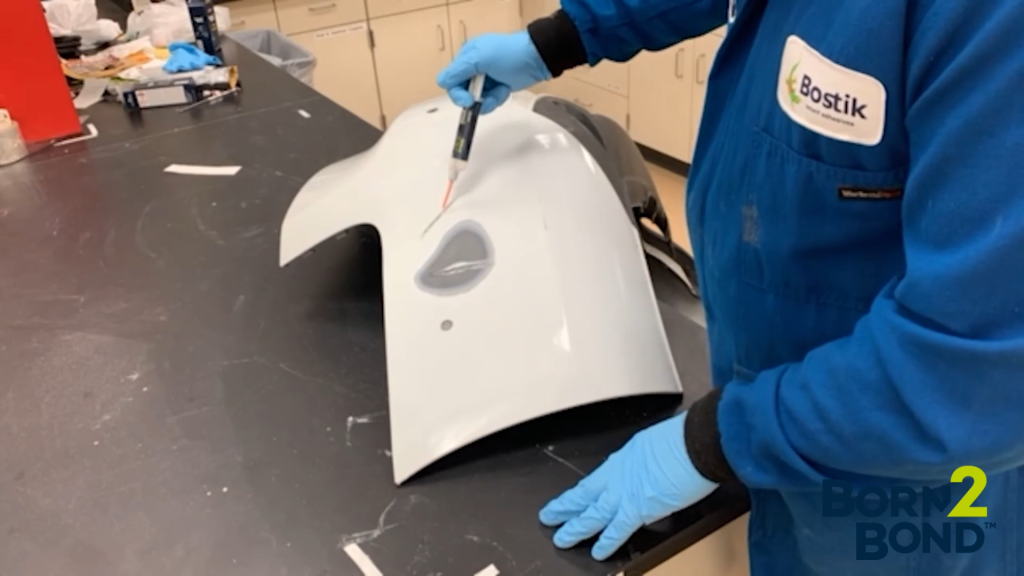
Best cyanoacrylate adhesive for gap filling
Cyanoacrylate adhesives (CAs) are renown for being thin, watery liquids. That is their nature. This doesn’t help when your bondline is wider than ideal, or varies into larger gaps. In these cases, you will want a CA which has an unusually higher, thicker viscosity – and these do exist. CAs are now available in a […]
Read More
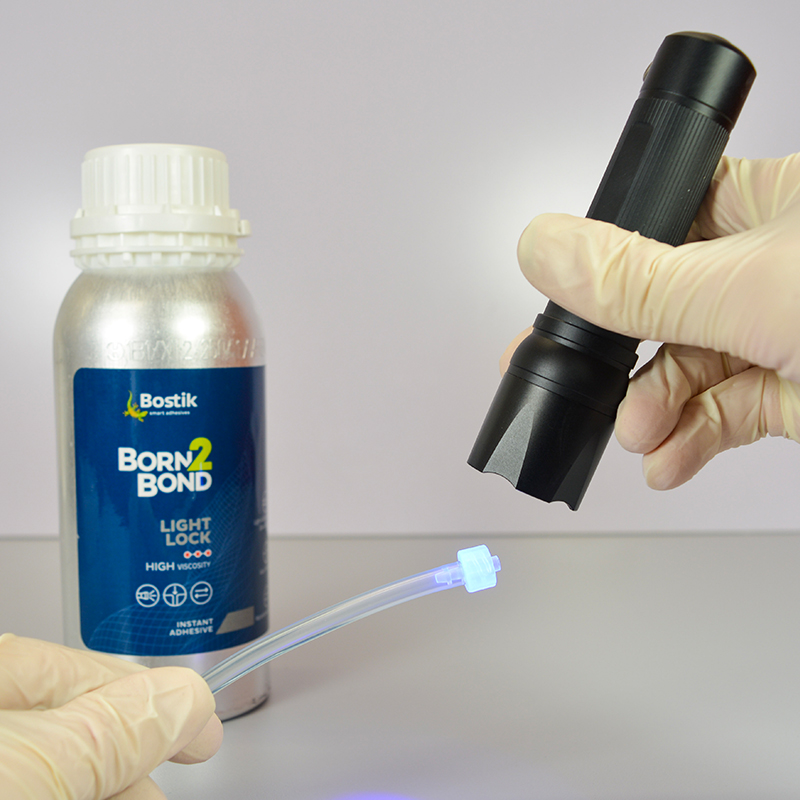
Best cyanoacrylate adhesive for medical device assembly
For a medical device assembly adhesive which also provides the benefits of cyanoacrylate adhesive technology (e.g. single part, fast cure), we recommend you look at Born2Bond Light Lock. Light Lock passes ISO 10993 testing and is also a UV hybrid cyanoacrylate. The UV light curing aspect of Light Lock is useful for a bondline which […]
Read More
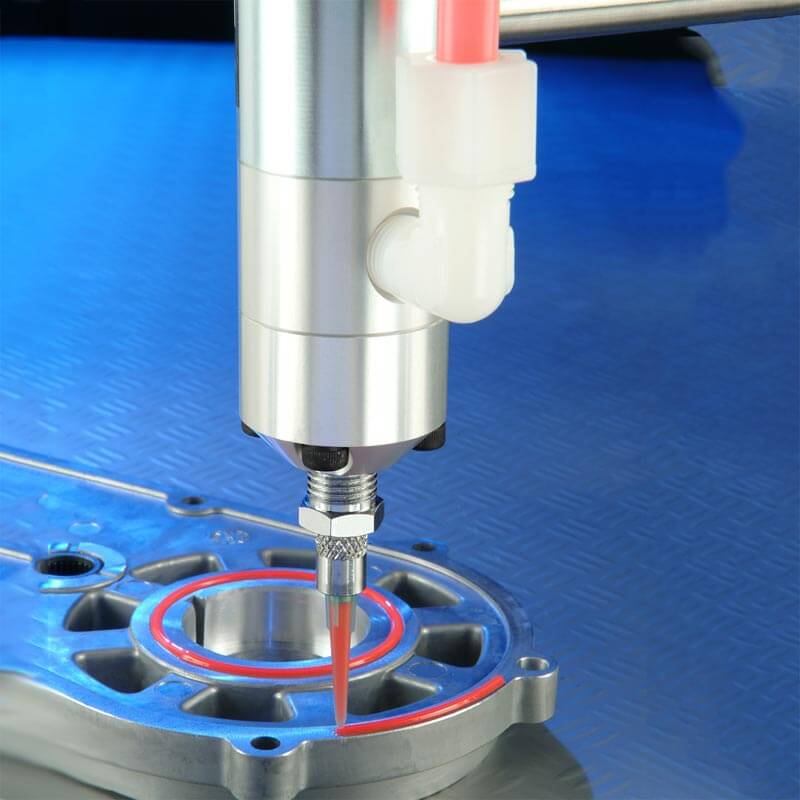
White Paper: Adhesive considerations at the design stage
When it comes to the design and development of new products, and choosing an adhesive to bond them together, an adhesive supplier often finds themselves as the last port of call. This approach can leave you in a position where your list of requirements severely limits the adhesives suitable for your application. Bondline design, substrate […]
Read More
Dispelling 10 popular myths about cyanoacrylate adhesives
Cyanoacrylate adhesives (CAs) — also known as “superglue” or instant adhesives — are a popular adhesive choice for many applications, both industrially and domestically. Curing at room temperature in seconds, they provide excellent bond strength on a wide range of similar and dissimilar substrates including metals, plastics, elastomers, ceramics, and porous materials. Achieving these throughput […]
Read More
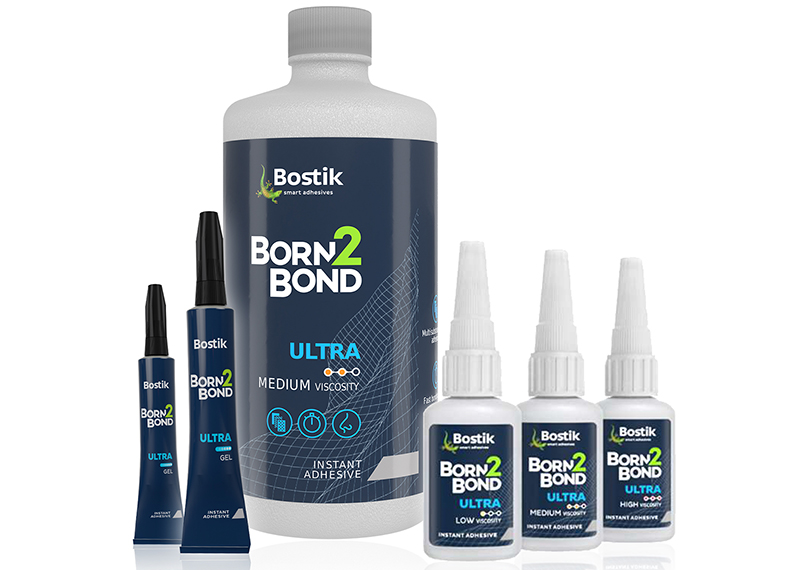
Improved metal bonding performance with Born2Bond Ultra CA
Our partners at Born2Bond have been busy improving the functionality and sustainability of their cyanoacrylate adhesives (CAs). As a result, Born2BondTM Ultra, the fastest-bonding MECA-based CA, now has “significantly improved” performance when used to bond metal substrates such as grit-blasted mild steel (GBMS) and aluminium. The metal bonding improvements can be seen across all viscosities […]
Read More
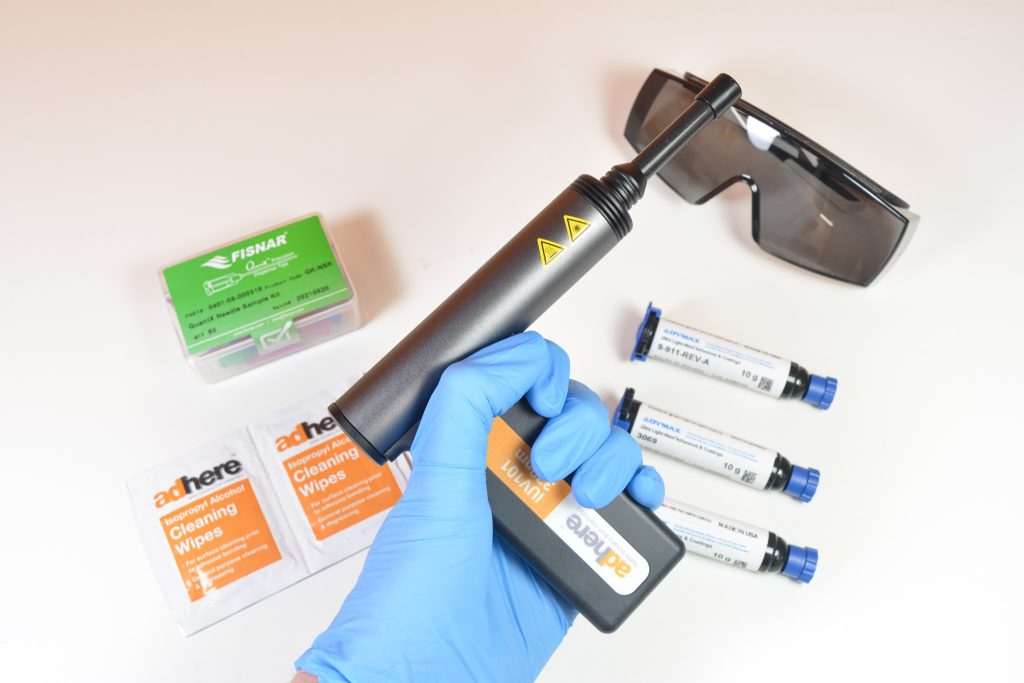
Getting started with UV curing is easier than you think
Attaining the near instant, ‘on demand’ bonding performance of UV adhesives and curing is now even easier with our IUV101 Starter Kit. Incorporating our popular IUV101 handheld LED UV spot curing lamp and three compatible multi-purpose LED UV curing adhesives in 10g syringes, you’ll be able to tackle a multitude of bonding projects as soon […]
Read More
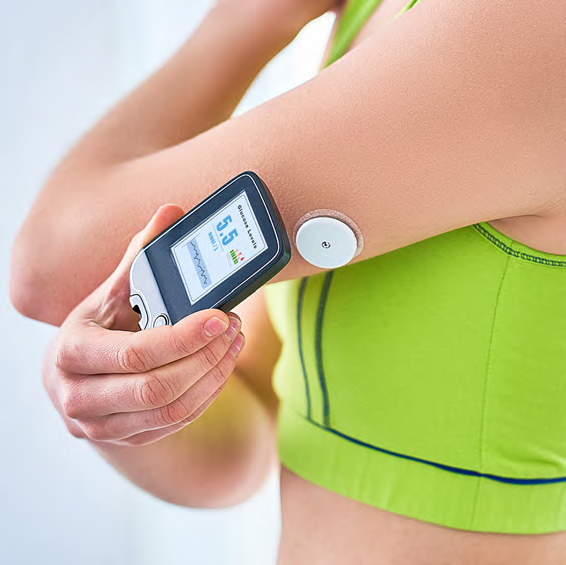
Industry-first adhesives for skin contact wearables
The Dymax 2000-MW series is a range of medical wearable adhesives and encapsulants which help adapt your wearables devices to industry trends and customer requirements. These materials are the first biocompatible, light-curable adhesive product line to be specifically formulated without common skin irritants and materials of concern for medical wearable and electronics applications. All adhesives […]
Read More
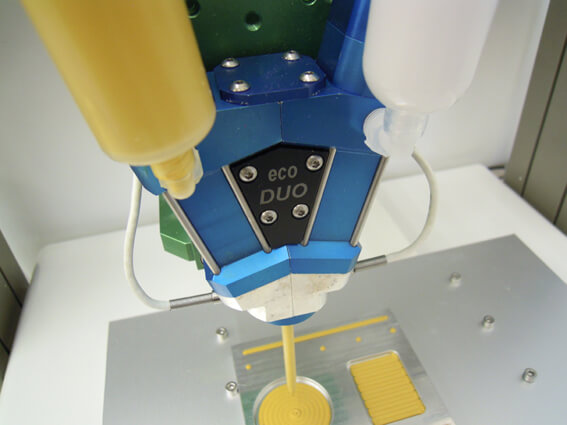
How do you dispense thermal adhesives and pastes?
Thermally conductive materials are often used to enhance the dissipation of heat from an electronic device. They are used to fill the gaps between two or more elements, such as a microprocessor and heat sink, or a battery cell and its casing in electric vehicles. As well as aiding the transfer of heat, some thermally […]
Read More
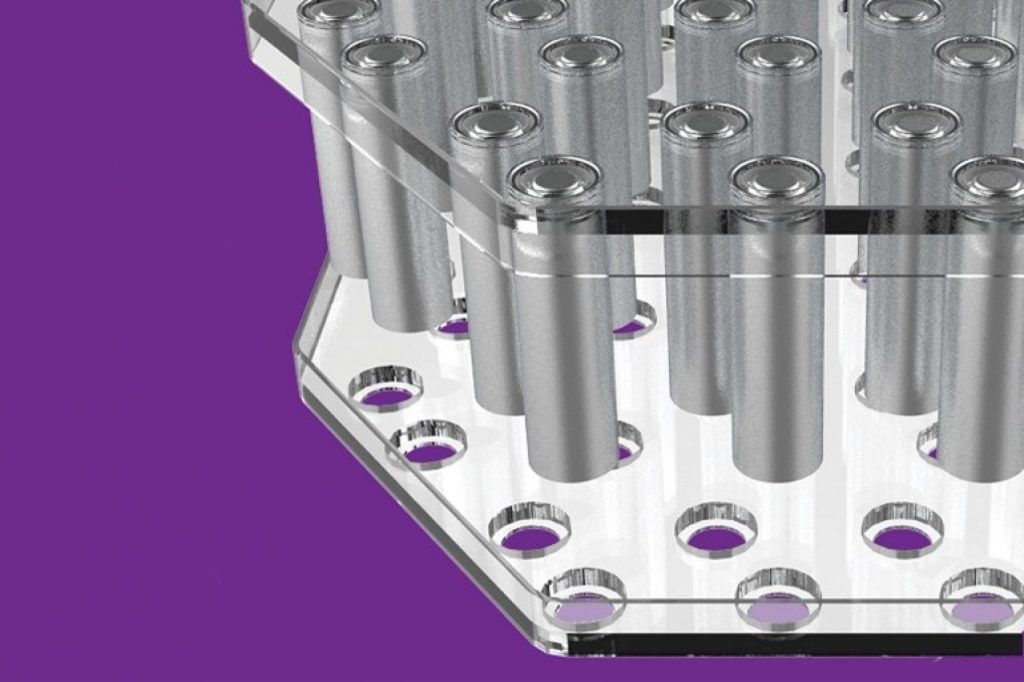
Adhesive for electric vehicle battery potting and bonding
Dymax Ultra Light-Weld® 9501-F is a UV/Visible light-curing adhesive optimized for LED curing at 385nm designed for electric vehicle battery potting and bonding. This material provides a highly reliable bond for cylindrical cells to the base of the battery pack. This colourless adhesive contains no nonreactive solvents and will fluoresce blue upon exposure to low […]
Read More
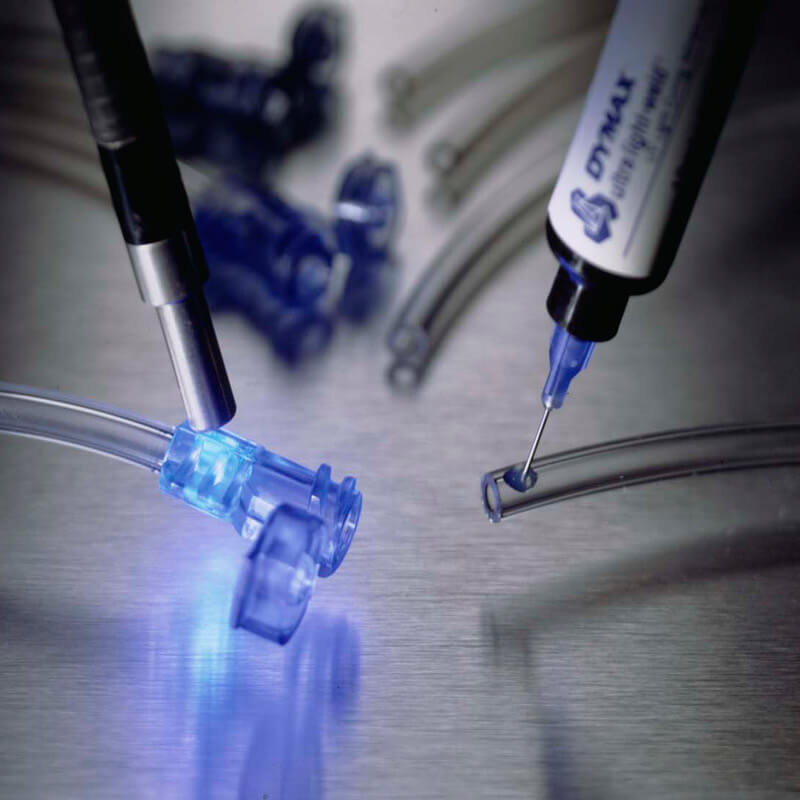
White Paper: Designing in light curing adhesives – a holistic approach to adhesives in medical device assembly
UV curable adhesives grant significant manufacturing productivity benefits, curing in seconds, “on-demand” when exposed to UV light. With grades certified to ISO 10993 and USP Class VI stands available, they are also well-matched to the manufacture of medical devices. To fully realise the potential that this adhesive technology can bring, it is necessary to take […]
Read More
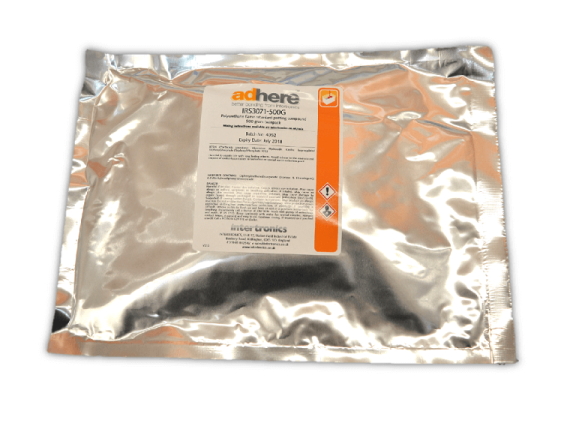
Intertronics academy: what does hygroscopic mean?
Hygroscopic materials attract and absorb humidity from the air. An example is the way granulated sugar gets lumpy in the sugar bowl or salt clumps in the salt shaker blocking the holes when in humid environments like a steamy kitchen. Lots of materials are hygroscopic, including paper, isopropyl alcohol (IPA), and plastics like ABS. Nylon […]
Read More
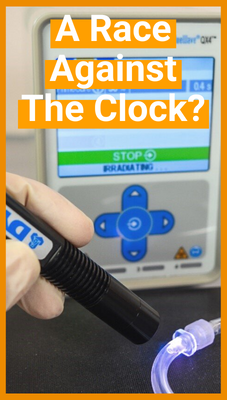
Adhesive selection: A race against the clock?
There are a few considerations when specifying an adhesive for your application, such as how well it bonds your substrates and if it can meet the functional needs of your application. One other important piece of the puzzle are the time-based factors which dictate how materials can be processed. Our technical white paper Adhesive selection: a race against the clock? walks you through the various time-sensitive factors at […]
Read More
Autoclave resistant medical device adhesive
Dymax MD® 1040-M is a new, versatile autoclave resistant medical device adhesive, coating, and encapsulant. Resistant to numerous cycles of sterilisation, Dymax 1040-M is suitable for consideration in a range of medical devices and surgical tools. This light curable material cures in seconds on exposure to UV light, and contains no solvents, to deliver a […]
Read More
New product: PU potting compound in cartridges
IRS 3078 Polyurethane Potting Compound is a semi-rigid, room temperature curing and electrically insulating black polyurethane potting compound. The material, which is low viscosity, semi-thixotropic and flowable, is available in convenient side-by-side double syringe cartridges. This packaging suits customers with smaller volume or occasional production needs. It offers high adhesion, good electrical insulation properties and […]
Read More

Case study: putting electronics into an archery arrow with novel CAs
Application In today’s technologically-advanced world, consumers want products that are better, smarter and more intuitive to their needs. For brand owners and manufacturers, this means continuing to push the boundaries on innovative, increasingly-smaller devices that can give consumers new product options unlike anything they’ve seen before. The miniaturisation of devices can pose assembly and bonding challenges, […]
Read More
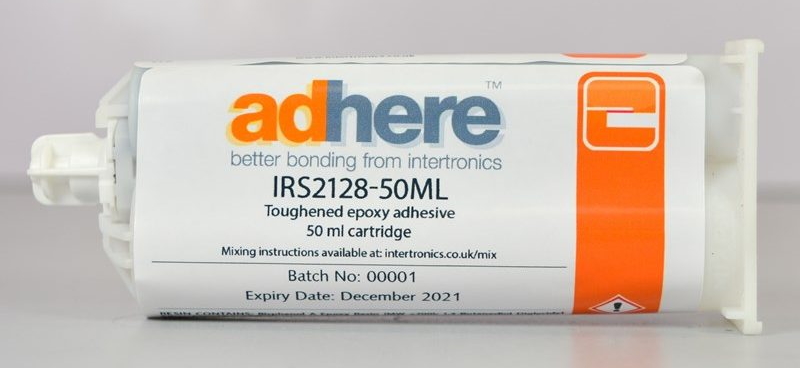
New product: toughened epoxy adhesive
We have introduced IRS 2128 Toughened Epoxy Adhesive. This structural adhesive is a high-performance black resin system that offers good chemical resistance and excellent adhesion to a wide variety of substrates. Compared with many other epoxies, it offers vibration resistance and can bond dissimilar substrates more effectively. A two-part system with a simple 1:2 mix […]
Read More
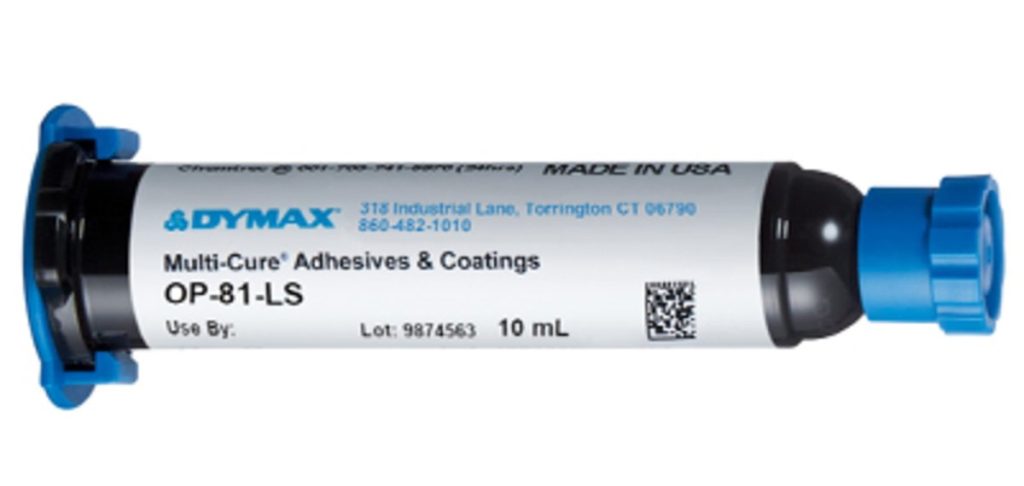
Very low shrinkage optical adhesive
We have introduced Dymax Low Shrink™ OP-81-LS UV adhesive, which offers very low volumetric shrinkage. Designed for optical assembly applications that require precise alignment, the material cures in seconds on exposure to UV/visible light. It is single-part, solvent free and can bond dissimilar substrates — it is recommended for materials including polycarbonate, glass, acrylic, metal, […]
Read More
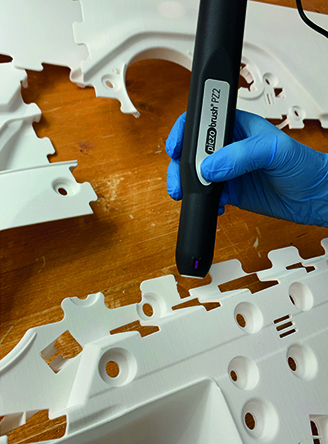
Case study: bonding 3D printed parts
3D printers usually print relatively small stuff – certainly less than 1 meter in any dimension. Our own 3D printer’s largest build dimension is 320mm, and that is fairly common. There are exceptions, of course – these days you can 3D print a two-story house. But for most applications, if you need to make a […]
Read More
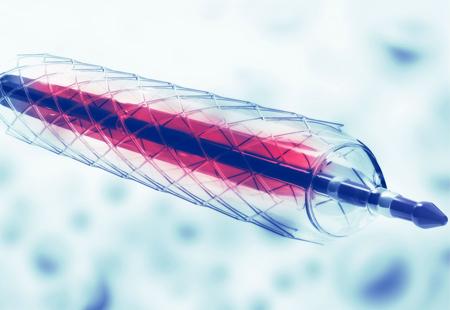
Seven considerations in medical device design
A great article in Med-Tech Innovation News lists seven considerations for medical device design; it was written by Dan Purvis of Velentium, a company specialising in the design and manufacturing of therapeutic and diagnostic active medical devices. It’s worth reading the whole thing, but consideration number 5 caught our eye: Design with manufacturing in mind […]
Read More

What Makes a Good Adhesives Partner?
What makes a good adhesives partner? That’s a great question! We decided to answer it by getting a group of us together and thrashing it out. The results of our roundtable talk might surprise you. Please read the summary of our discussion, get some insight into the way we think, and see if you agree.
Read More
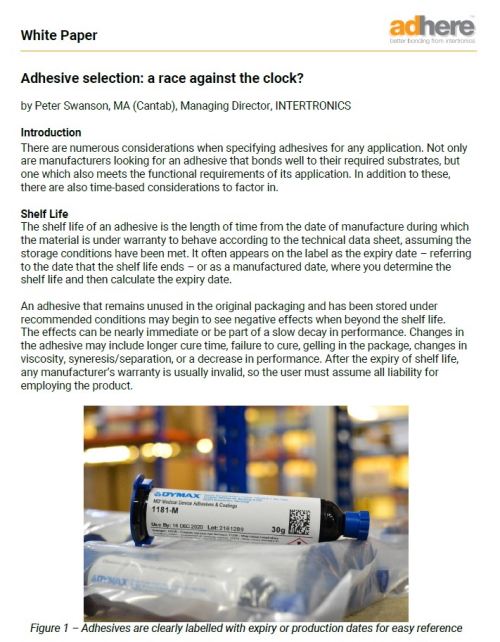
White Paper: Adhesive selection: a race against the clock?
One of our recently published White Papers discusses time-based considerations when specifying adhesives for any application. Not only are you looking for an adhesive that bonds well to your required substrates, but one which also meets the functional requirements of its application. In addition to these, there are also time-based considerations to factor in. Read […]
Read More
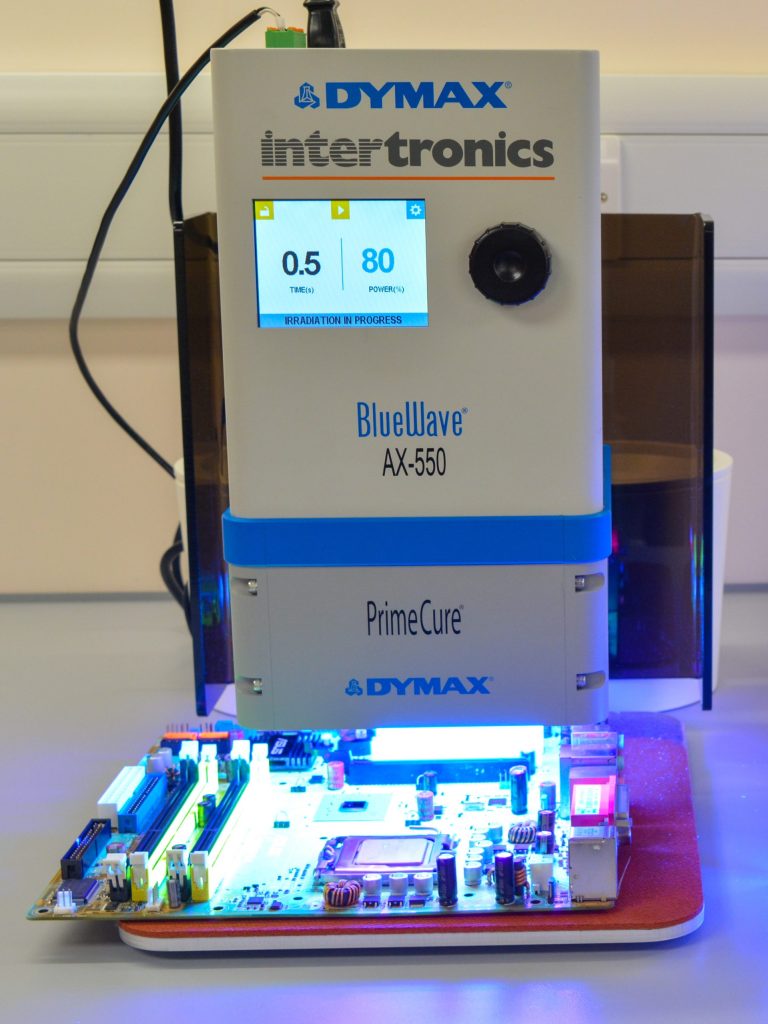
Investing in adhesives – why ROI is more than just the payback period
Selecting an adhesive One of the major considerations when specifying an adhesive is how quickly it will deliver return on investment (ROI), a metric that is affected by a variety of tangible and intangible factors. If you’ve ever tried to source an adhesive for your application, you probably realised quickly that there is no universally perfect […]
Read More
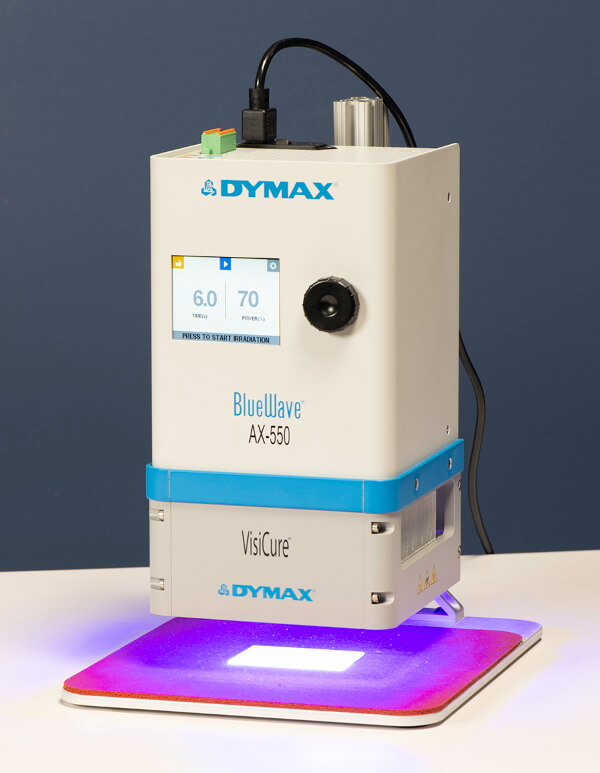
Adhesive productivity from the get go
When you are experiencing poor productivity from an adhesives process, the first step to resolving the issue is to identify why — there are several common pain points, including speed, quality and waste. If you identify that a material is holding you back, what can you do to reach your productivity potential? Compared with mechanical […]
Read More
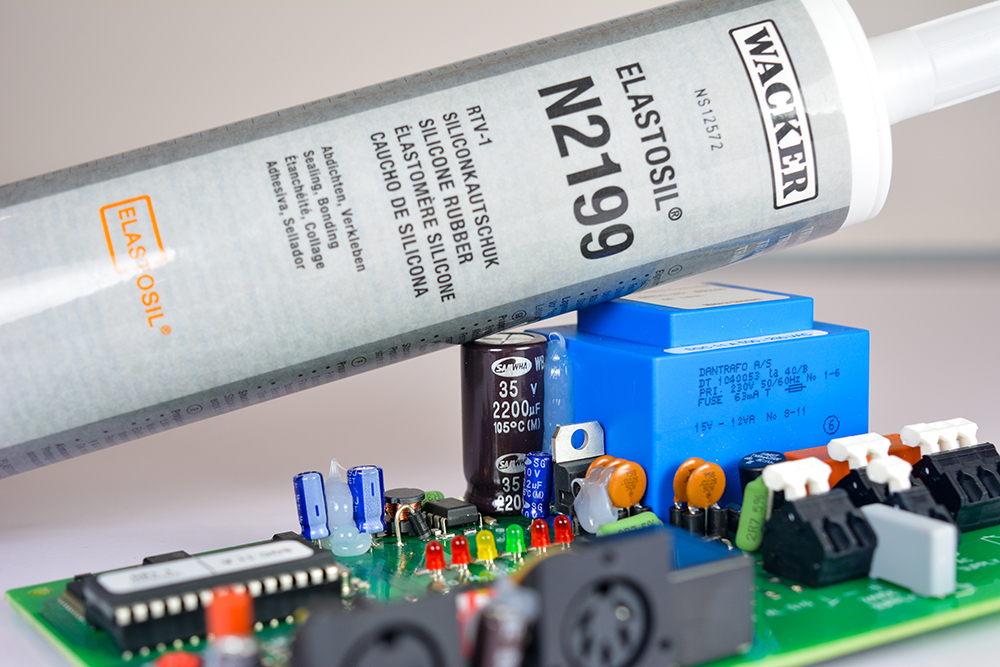
New silicone adhesive sealant offers translucency and flexibility
When aesthetics are an important consideration alongside reliable sealing performance, a clear silicone is worth considering. Wacker ELASTOSIL® N2199 is a highly flexible, translucent silicone which meets the criteria of MIL-SPEC 46146, Group I, Type I. N 2199 is a one-part, ready-to-use, acid- and sovent-free, RTV-1 nonslumping paste that cures at room temperature to a […]
Read More
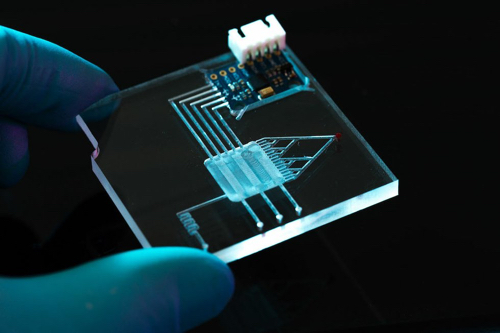
How to bond COC/COP film laminates
Dymax MD® 1172-M-UR is an LED UV and broad-spectrum light-curable adhesive for bonding COC/COP film laminates and other difficult-to-bond-to plastics used in the assembly of in-vitro diagnostics (IVD), Lab-on-a-chip (LOC), and other point-of-care medical devices. This adhesive may also be of interest to manufacturers involved with the design of COVID-19 rapid diagnostic applications. The adhesive […]
Read More
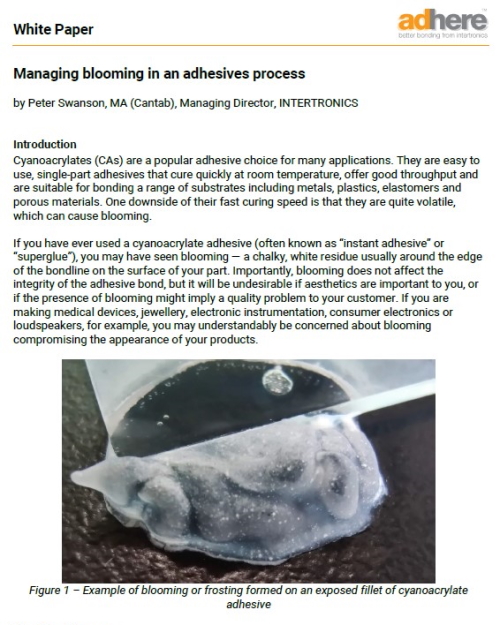
White Paper: What is cyanoacrylate adhesive blooming, and what can you do about it?
What is cyanoacrylate adhesive (CA) blooming, and what can you do about it? That is the subject of our latest White Paper, entitled Managing blooming in an adhesives process. The article discusses what is blooming, how it happens, and methods to reduce or eliminate it. Importantly, blooming does not affect the integrity of the adhesive […]
Read More
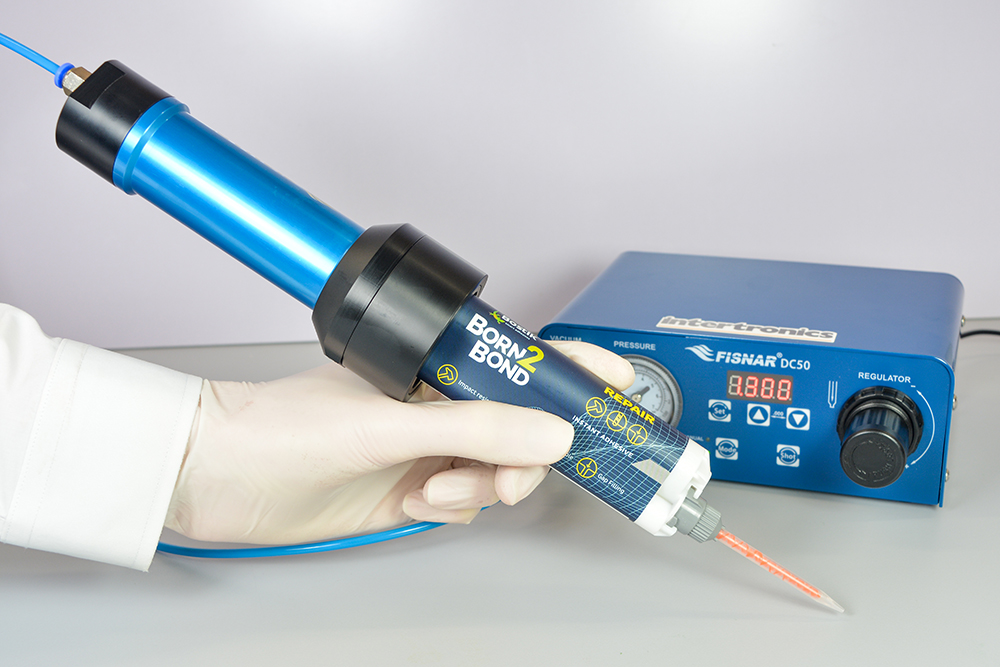
Game changing two-part cyanoacrylate adhesives available in convenient cartridges
Born2Bond two-part cyanoacrylate adhesives bring game-changing advancements to the world of adhesives, overcoming many of the performance and application limitations of existing cyanoacrylate adhesives. Born2Bond Structural is the toughest structural, fast cure two-part (2K) cyanoacrylate adhesive on the market, with the longest open time. Born2Bond Flex is the only two-part cyanoacrylate adhesive on the market […]
Read More
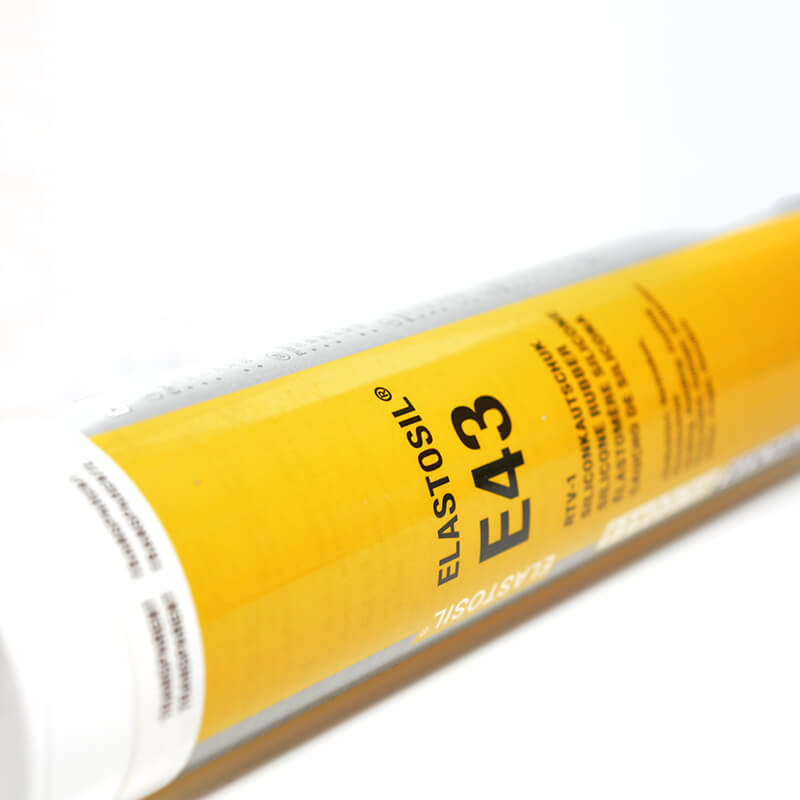
Food compliant silicones
Under European Regulation (EC) No 1935/2004, materials such as silicones can be rated food-compliant where they are manufactured using practices that “under normal or foreseeable conditions of use, they do not transfer their constituents to food in quantities which could endanger human health, bring about an unacceptable change in the composition of the food, or bring about […]
Read More
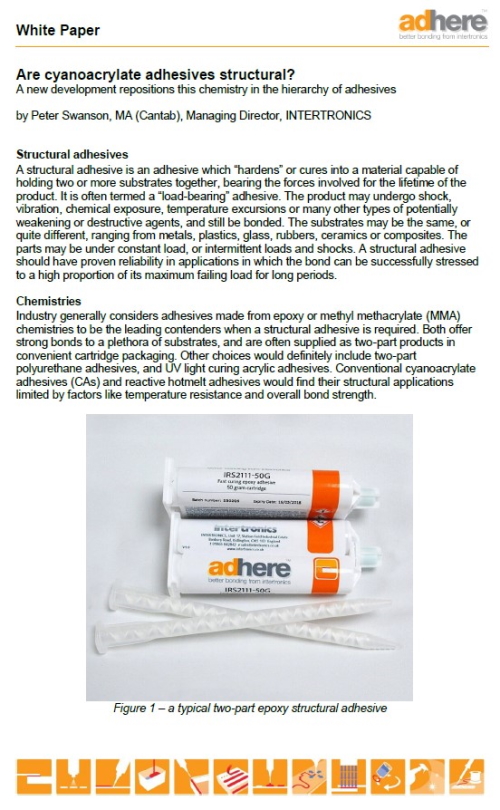
White Paper: Are Cyanoacrylate Adhesives Structural?
This new White Paper, entitled Are cyanoacrylate adhesives structural?, looks at the role of cyanoacrylate adhesives in load-bearing, structural applications. It discusses a new development which repositions this chemistry in the hierarchy of adhesives. Click on the image to read the full article. We have this White Paper and many other technical resources, including articles, […]
Read More

Adhesive process choices – best available option
The best available option. That’s not the same as perfect. The best available option is always available. Perfect almost never is. Adhesive choice is always about compromise. Worthwhile debates: ultimate adhesive functionality versus process-ability the cost of the adhesive versus the cost of processing it the robustness of the adhesive versus rework-ability or end-of-life recycling The perfect […]
Read More
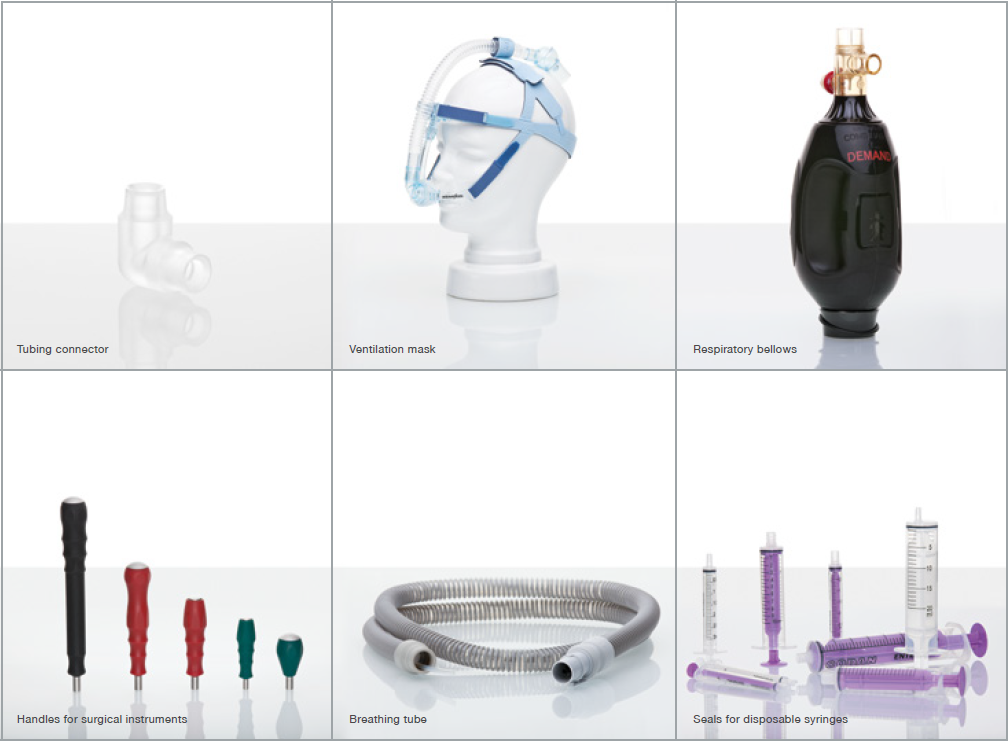
Medical-grade ISO 10993 silicone adhesive for bonding silicones and textiles
Wacker’s SILPURAN 4200® medical-grade silicone adhesive is a single-part transparent, room temperature vulcanising (RTV) silicone adhesive that is suitable for bonding cured silicone parts and highly elastic bonding between silicone and textiles, such as in ventilation masks and respiratory bellows. Formulated with a new catalyst which does not use organotin compounds, SILPURAN 4200 is ISO […]
Read More
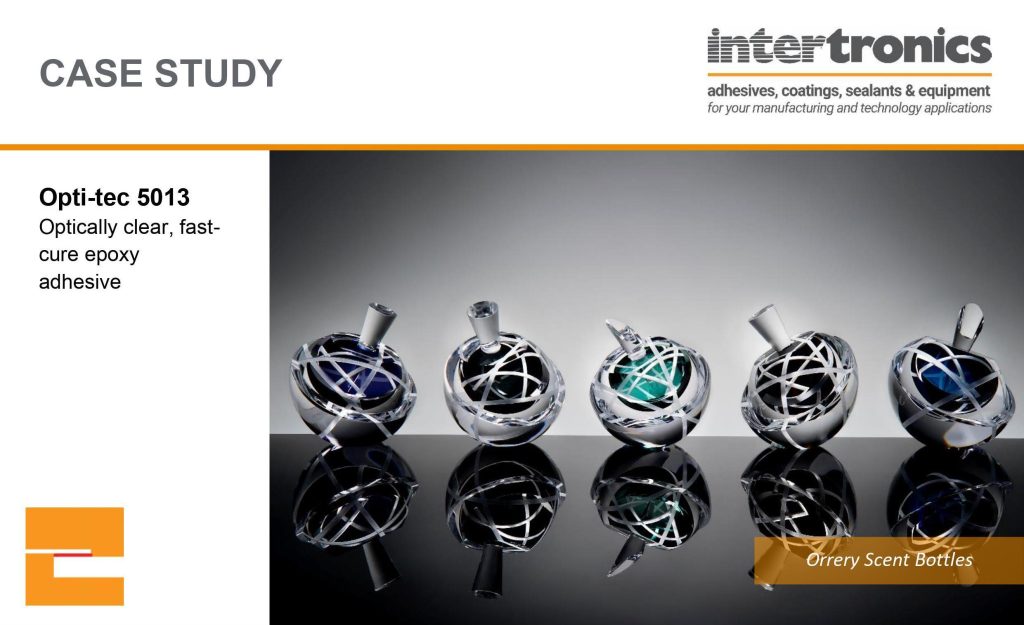
Case study: high-quality glass repair in short timelines with Opti-tec 5013 clear epoxy
Anthony Scala, a London-based glass artist and instructor, takes on repair work for glass pieces ranging from sentimental value to more significant worth. In order to complete repairs in a timely manner, Anthony sought an adhesive that offered a fast curing time whilst maintaining good clarity and structural reliability. Opti-tec 5013 Optically Clear, Fast-Curing Epoxy […]
Read More

How do I glue back these toes?
You may have heard this story in the last day or so: a tourist snapped off the toes of a 200-year-old Italian sculpture while sitting on it for a photograph. The museum is in Possagno, Italy, and specialises in the work of the 18th-century sculptor Antonio Canova. Ouch! The conservation and repair specialists could consider […]
Read More
Kevin Kelly: “Don’t trust all-purpose glue.”
Kevin Kelly recently turned 68 years old. Amongst many achievements, he is a co-founder of Wired magazine, and was publisher and editor of the Whole Earth Catalog. He celebrated his birthday by giving us 68 Bits of Unsolicited Advice. There are many gems of wisdom there, and I do encourage everyone to read them. Some […]
Read More
A big step forward in the technology of cyanoacrylate adhesives
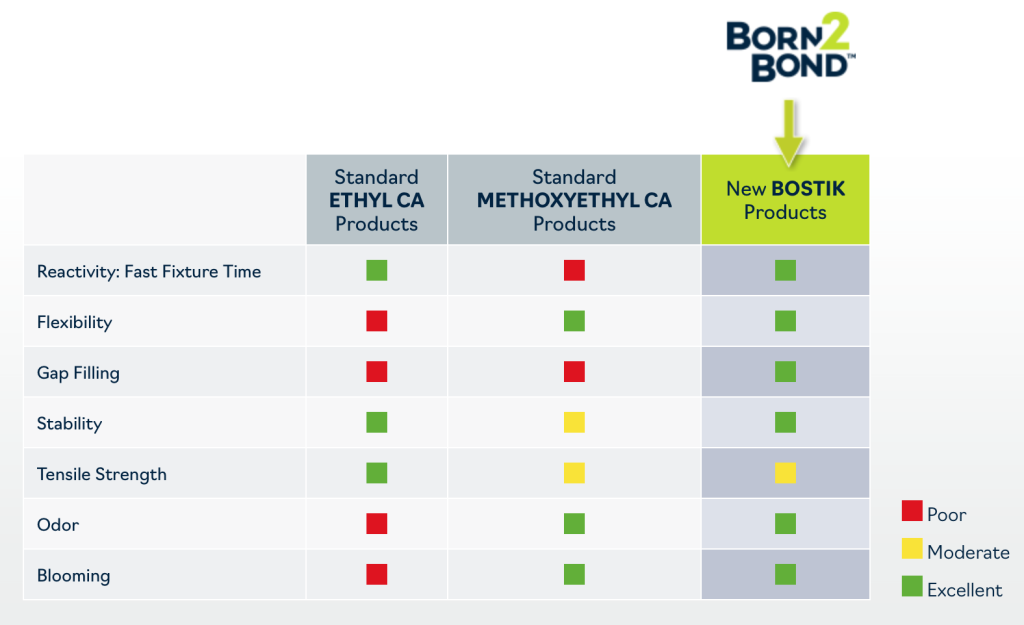
Cyanoacrylate adhesives (CAs) have been around since the 1950s, and from the 1970s they have become a common household product. Today, manufacturers are increasingly using CAs and rely on them to bond plastics, metal, ceramic, rubber, wood and other substrates in many types of assemblies. They are unique in that they provide fast curing and […]
Read More
Intertronics academy: what is adhesive fixture time?
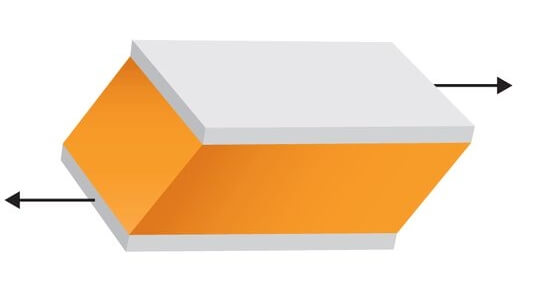
The fixture time for an adhesive (sometimes called the set time) is the shortest time required by the adhesive to develop handling strength such that substrates can be removed from fixtures, unclamped, or handled without stressing the bond – stress which might affect the ultimate bond strength. We can define handling strength as a (relatively) […]
Read More
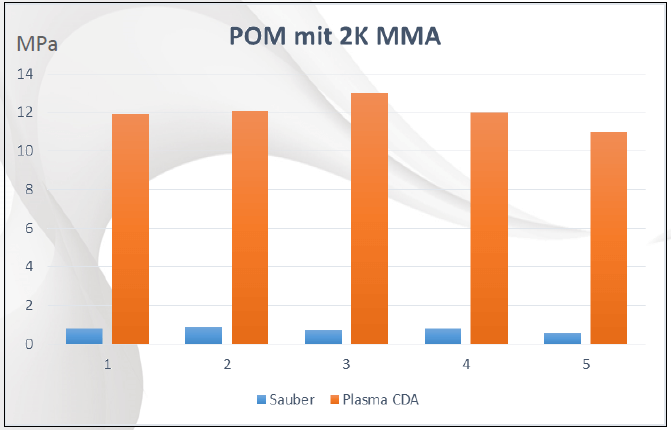
How to bond POM or acetal plastic
Polyoxymethylene (POM) is a high density thermoplastic, also called acetal or polyacetal. Brand names include Delrin, Ultraform and Hostaform*. It is often used as an engineering grade plastic, especially for precision parts. POM is extremely solid, hard and stiff in a wide temperature range. It maintains its high ductility up to -40°C and has excellent […]
Read More
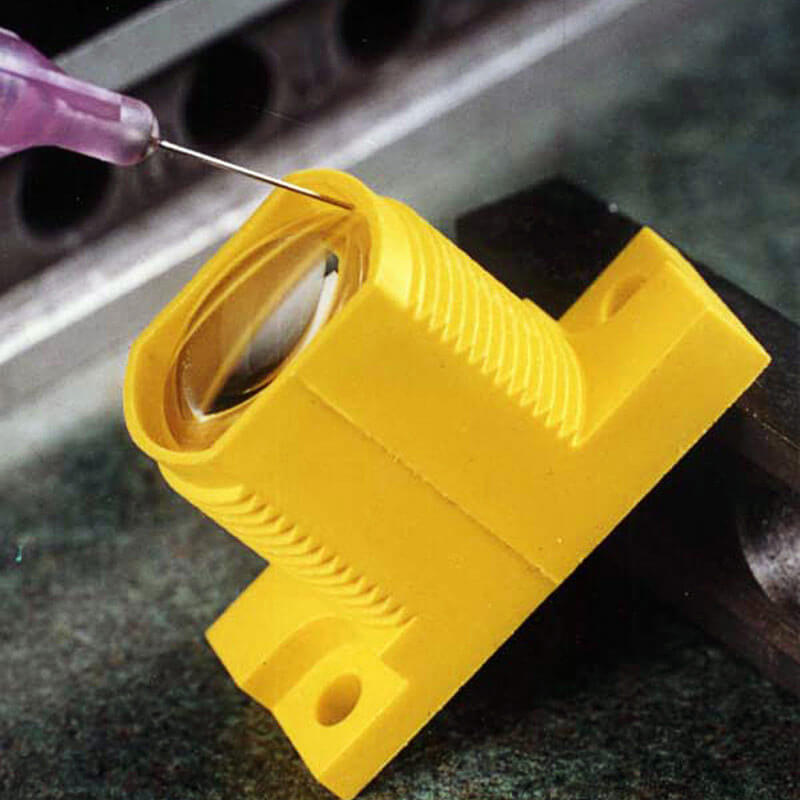
Choosing an adhesive for optics and optical assembly
Optics engineers commonly require optical adhesives to bond components together during optical assembly, lens and prism bonding, optical element positioning and fixturing, and fibre-optic assembly. Every adhesive has its own strengths and limitations, which can make it challenging to determine which is the most suitable material for the task at hand. Selecting an adhesive requires […]
Read More
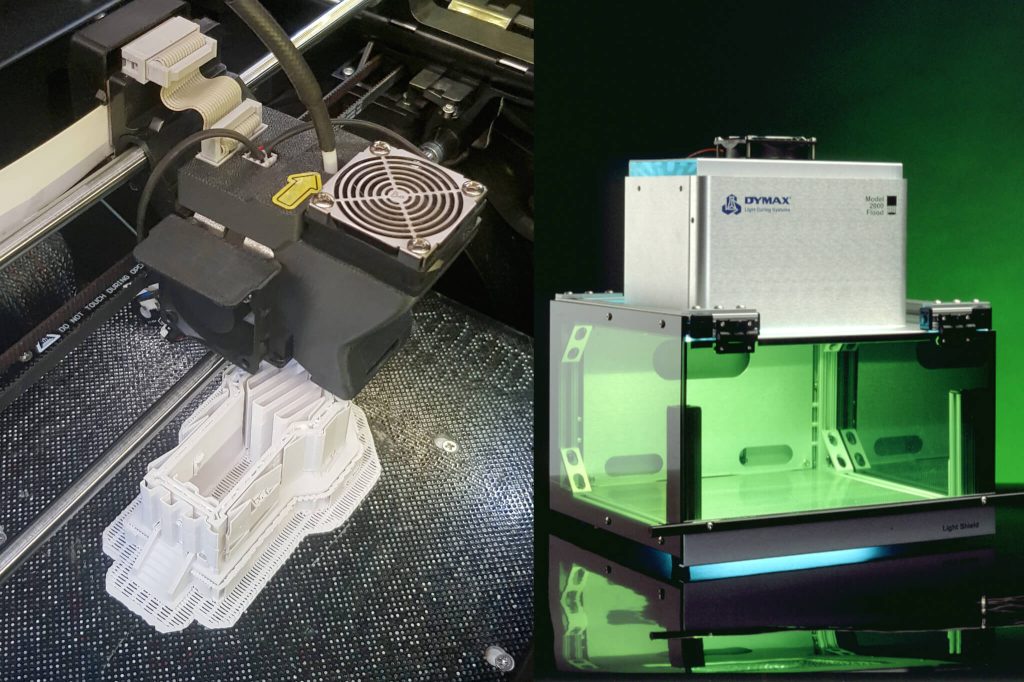
Shining a light on UV curing for 3D models
Design teams test the aerodynamics of a Formula 1 car by putting a prototype in a wind tunnel. Engineers often use smaller scale 3D models during testing – but how can they be sure that the prototype will be up to scratch? The time-scales and competitive nature of Formula 1 mean that engineers must quickly […]
Read More
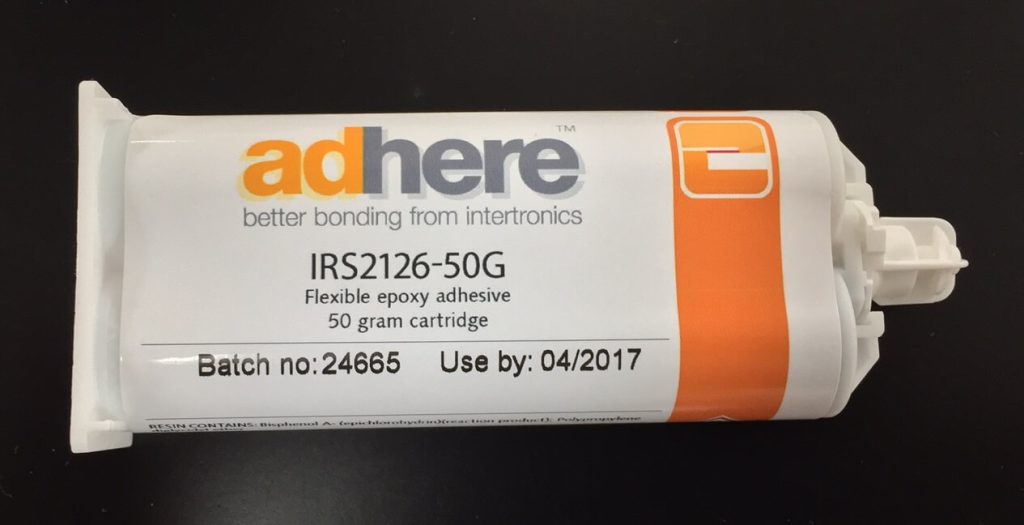
Intertronics academy: shelf life of adhesives
We wrote about shelf life in this Intertronics academy blog post pot life v shelf life v working life – part 1. Our partners at Dymax have written a blog post entitled 5 Questions to Help You Understand Shelf Life with answers to these questions: How is the shelf life of a product determined? Where do […]
Read More
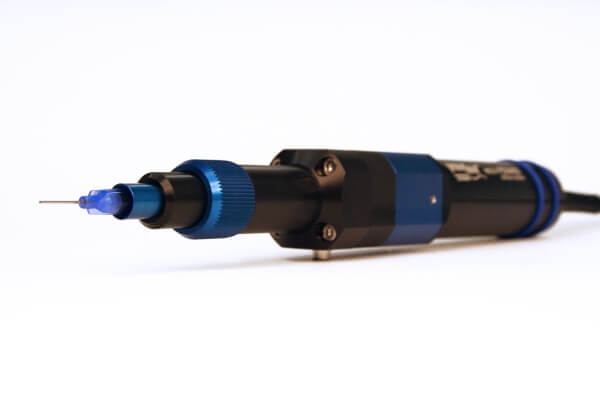
Case study: improving the UV adhesive dispense and cure process
Reducing material waste during the UV curing adhesive dispense and cure process is a common challenge faced by manufacturers. For innovative pump manufacturer Franklin Electric, our partners at preeflow were able to provide a fully integrated adhesive dispensing system to do just this. The preeflow eco-PEN450 not only reduced the manufacturer’s waste and minimised material consumption but […]
Read More
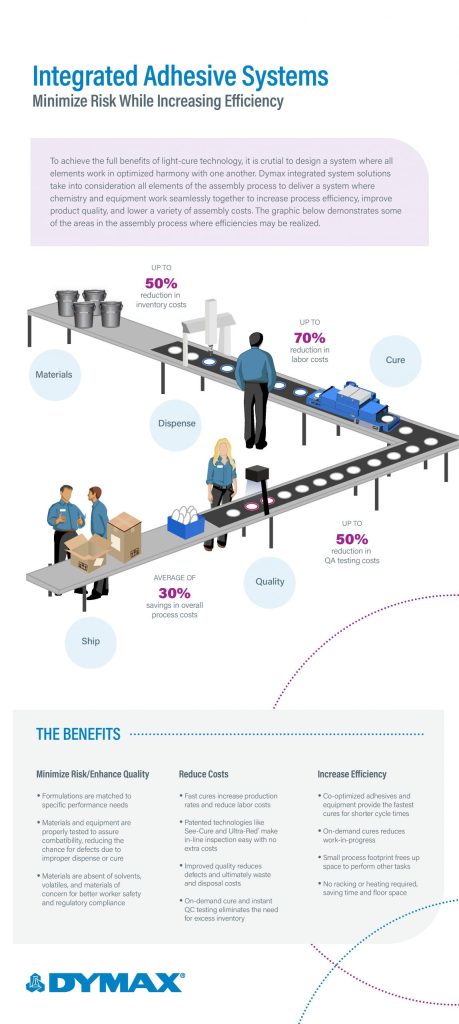
Integrated UV light cure systems to increase efficiency, enhance quality of production
We know that light curing adhesives can improve productivity. This infographic from our partners Dymax highlights efficiencies that can be gained when a UV light cure systems technology is looked at holistically as an integral part of a full production process, leading to an average 30% savings in overall process costs. The benefits include: Minimised […]
Read More
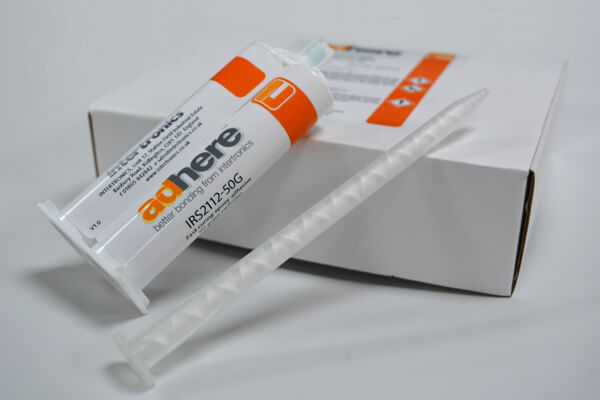
What is a structural adhesive?
A structural adhesive is an adhesive which “hardens” or cures into a material capable of holding two or more substrates together, bearing the forces involved for the lifetime of the product. It is often termed a “load-bearing” adhesive. The product may undergo shock, vibration, chemical exposure, temperature excursions or many other types of potentially weakening or […]
Read More
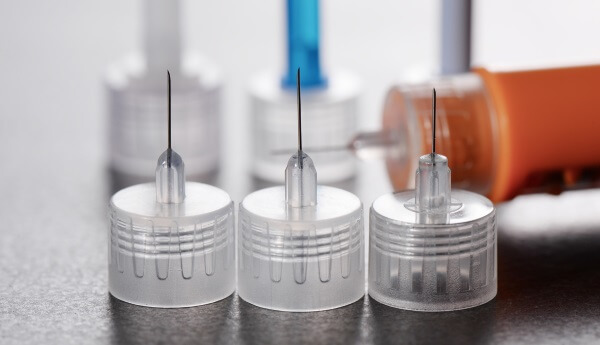
Next generation needle bonding adhesive
Our partners Dymax have recently introduced Dymax 1406-M, a next generation needle bonding adhesive for manufacturers looking to switch to UV LED curing in small gauge needle applications. It provides superior bonding performance on the reduced surface area of smaller cannulas, even after aging and sterilization, to reduce the possibility of cannula substrate failure. Optimized for […]
Read More
Factors for consideration when bonding composite materials
Composites continue to be the subject of rapid advancement in terms of formulation, production and types of applications. Incorporating composites in your assemblies requires adhesives that contribute to the highest possible performance and reliability, exploit their qualities of strength and light weight and meet the demanding conditions of the automotive, defence, aerospace, marine, medical, electronics/electrical, […]
Read More
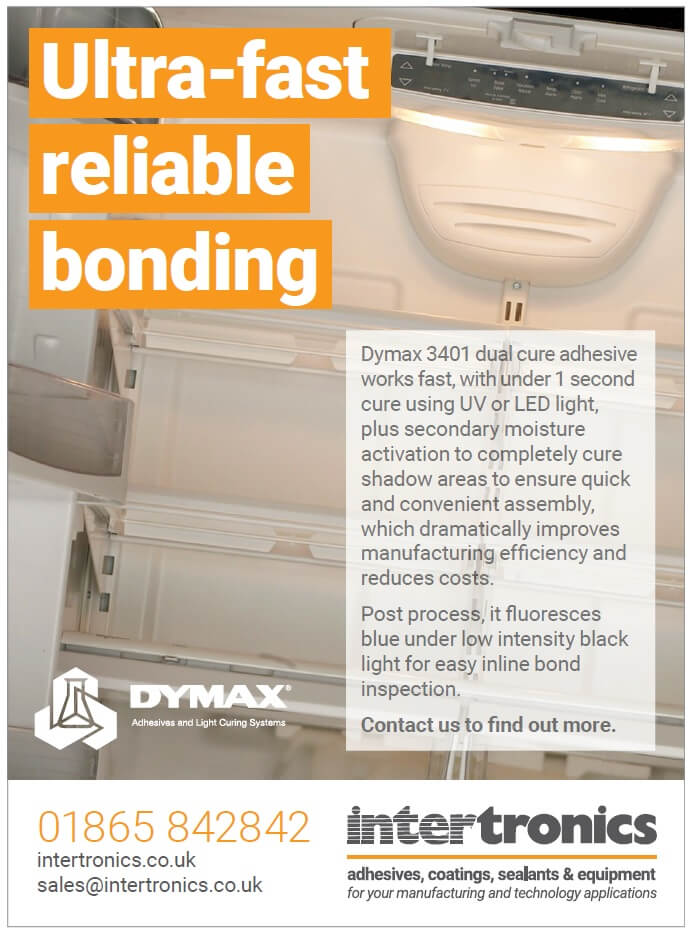
Ultra-fast reliable bonding – uv adhesive for plastics
One of our new print advertisements!
Read More
Case study: adhesive alternative to welding for bonding polycarbonate
The Problem A world leader in electrical explosion protection and sensor technology, was looking for an alternative to laser welding for an application that requires sealing two polycarbonate parts in their photoelectric sensors. The customer was bonding polycarbonate clear covers to a polycarbonate PCB enclosure by laser welding. However, they were unsatisfied with the results, as […]
Read More
How much adhesive will I need?
We have added a new Technical Bulletin to our Technical Resources to help answer the commonly asked question: “How much adhesive will I need?“. The Technical Bulletin is a guide to calculating approximate amounts of material required, based on the bondline dimensions. “How much adhesive will I need?” also includes a link to download our Adhesive Usage […]
Read More
Plasma surface functionalisation for improved structural bonding of plastics
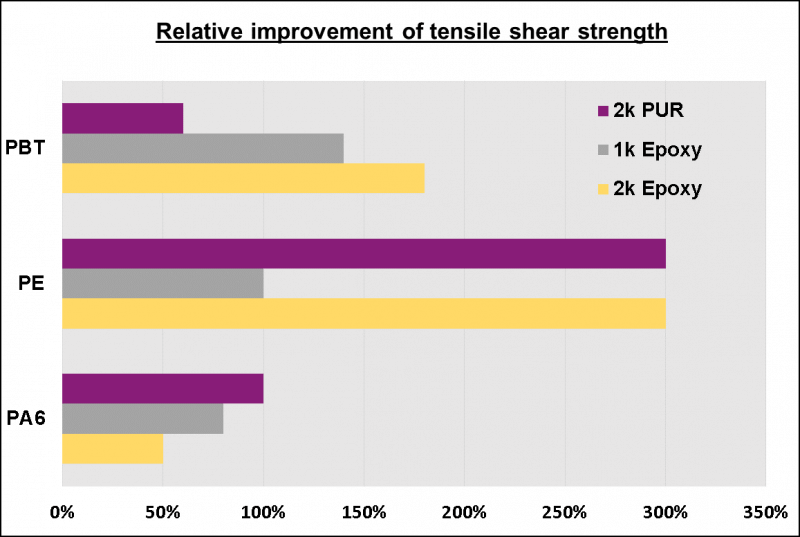
Thinking about improved structural bonding of plastics? Plastics are usually characterised by inert surfaces with surface energies between 20 and 40 mN/m. In order to wet a surface, however, the surface energy of the polymer must exceed the one of the paint, ink or the adhesive. This condition can be achieved through a plasma treatment […]
Read More
Versatile, general purpose, industrial epoxy adhesives available next day
IRS 2111 All-Purpose Epoxy Adhesive and IRS 2112 Fast Curing General Purpose Epoxy Adhesive are versatile and simple to use two part industrial epoxy adhesives which can be used for bonding, sealing and structural support applications. They are supplied in convenient side by side syringe cartridges for efficient mixing and application, and are supported by […]
Read More
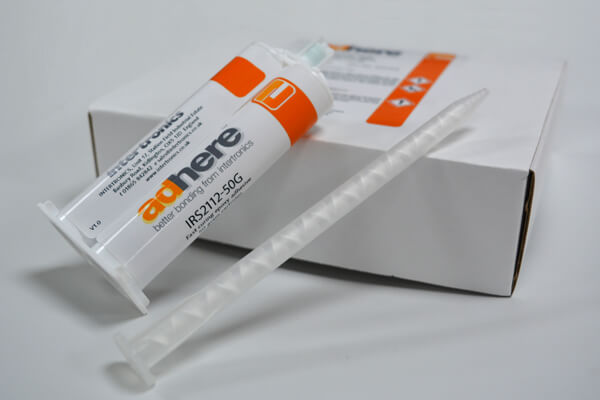
Side-by-side syringe cartridges – dispensing two part adhesives
Some of the two-part adhesives, sealants and other materials we supply are packaged in side-by-side syringe cartridges. In this packaging, the materials are already pre-measured in the correct ratio, saving time and material handling. The correct amounts of material are fed into a static mixing nozzle, which ensures thorough mixing whilst no air is introduced. The entire cartridge does […]
Read More
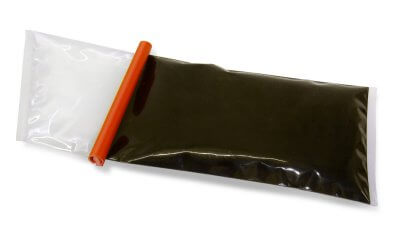
Twinpacks – mixing of adhesives and potting compounds
We supply a number of our adhesives and potting compounds in twinpacks. This convenient packaging offers benefits – the materials are pre-weighed in their correct mixing ratios, which saves time, and improves quality by removing the step of manually weighing out each part. Mixing within the twinpack reduces the handling of chemicals, cuts down on mess […]
Read More
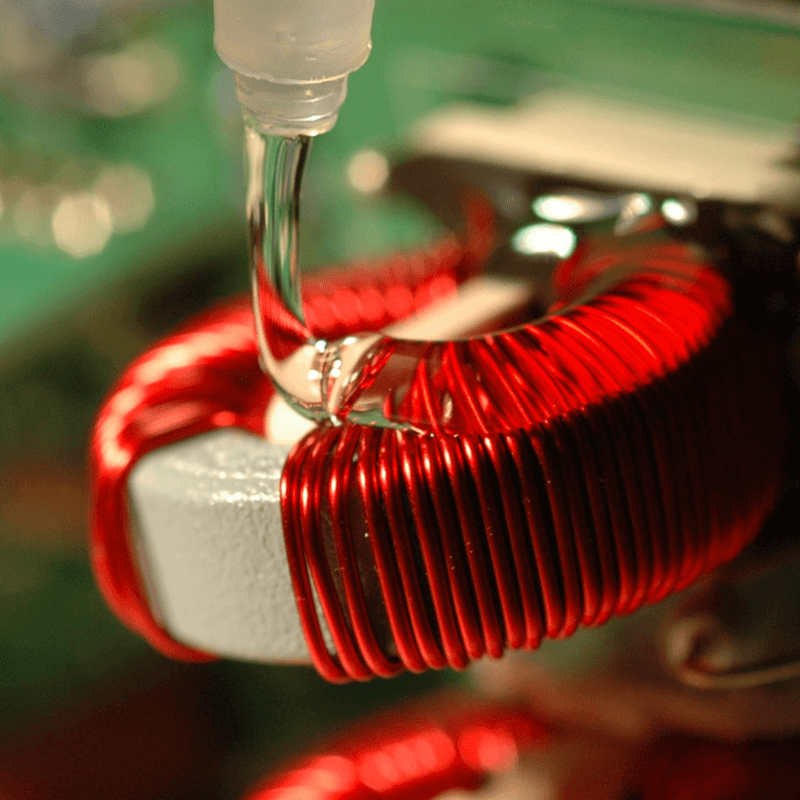
Epoxy adhesives & potting compounds for specialist applications
The new Polytec PT brochure offers information on specialist epoxy resin adhesives and potting compounds for electronics, electrical engineering, optical and medical industries. It details high strength optically transparent epoxies, including formulations with flexibility in the Shore A range. Medical device manufacturers will find products which are biocompatible and tested to USP Class VI. These materials […]
Read More
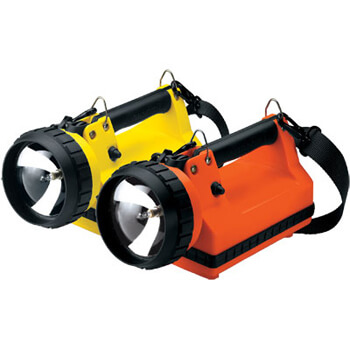
Success with UV adhesive to make emergency services equipment more rugged
The Problem A leading manufacturer of premium portable lighting was looking to make its safety torches more rugged – they are used by fire fighters, police officers and military troops in the field. Their engineers needed the torches to withstand rough handling and extreme conditions in the field, and to work in a wide range […]
Read More
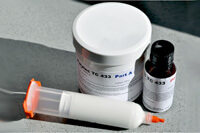
The latest in thermally conductive adhesives
New developments and applications in energy and electrical engineering can require ever higher levels of thermal conductivity – hence our partners Polytec PT are developing the next generation of thermally conductive two-part epoxy adhesives. These new high performance adhesives offer excellent thermal conductivity, so enhancing the effectiveness of heat paths found in applications such as LED […]
Read More
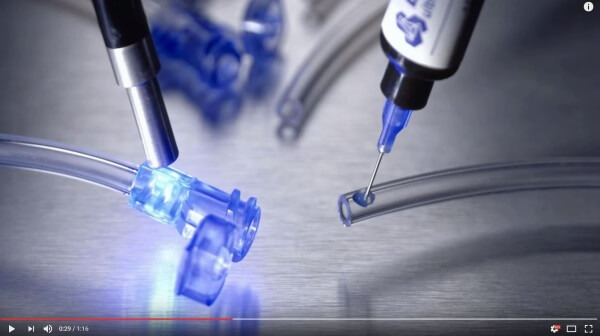
Video: Light curing adhesives improve productivity for technology businesses
Light curing adhesives offer many design and manufacturing benefits spanning a wide range of industrial applications. These adhesives cure in seconds, forming high-strength, environmentally resistant bonds whilst maximising productivity. General and specific formulations are available for bonding plastics, metal, glass and other substrates. These adhesives can be applied by hand, or by semi or fully automated […]
Read More
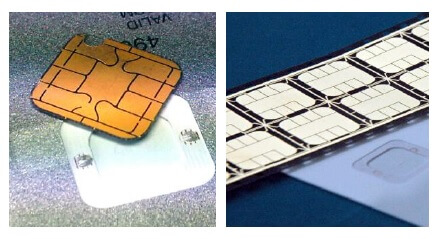
Flexible electrically conductive adhesive for smart cards and more
We are witnessing the widespread adoption of contactless cards for payments, rather than the hitherto main applications of access control and ID. The key to the reliability and longevity of these dual interface smart cards is the effectiveness of the electrical connection between contact chip and RFID antenna. One solution is Polytec PT’s PU 1000, […]
Read More
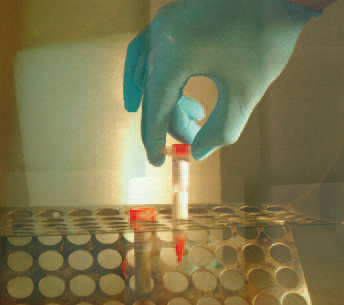
Intertronics academy: premixed and frozen adhesives
You can buy two (or more) part adhesives which have been pre-measured into the correct proportions, mixed and degassed, filled into a dispensing syringe or cartridge, and then frozen to stop the cure. The adhesive is shipped from the factory to you in an insulated box also containing ice. Upon delivery, you store the adhesive […]
Read More
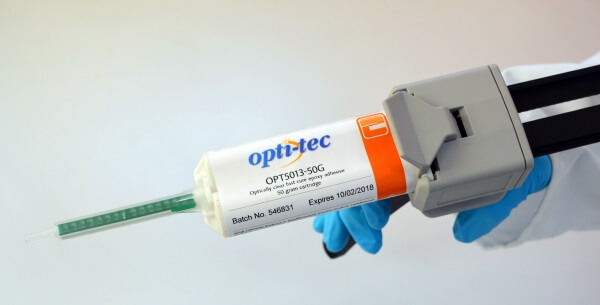
Water white optically clear epoxy adhesive
Opti-tec 5013 high performance, two-part epoxy is a water white optically clear general adhesive for bonding glass, ceramics, plastics and metals as well as some optical and opto-electronic applications. It ensures strong, clear structural bonds, including for repair and restoration where aesthetics are a priority. It can also be used for small volume potting and […]
Read More
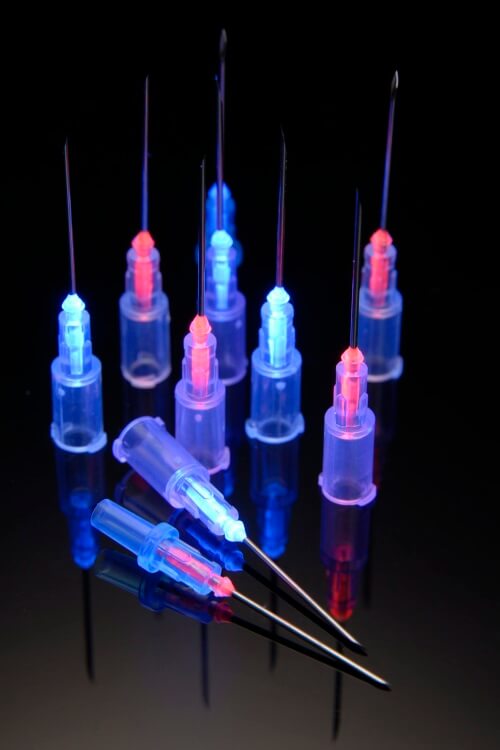
Video: Adhesives, protective materials and processing equipment for medical device assembly
We offer materials and processing equipment to meet the bonding and assembly needs of medical device manufacturers. A range of ISO 10993 and USP Class VI materials are compatible with the substrates commonly used in the industry. The range comprises structural adhesives, coatings, sealants, form-in-place gaskets and temporary masks – all for medical device assembly. And mixing, […]
Read More

Thermally Conductive Materials for Electric and Hybrid Vehicle Batteries
Responding to a strong and increasing demand in innovative manufacturing concepts for electric and hybrid vehicle batteries, our partners Polytec PT have adhesives, potting compounds and greases with high thermal conductivities that are customised with regard to processing parameters, thermal and mechanical properties, and service durability. The need for power dissipation from the cell to […]
Read More
Video: Dymax LED curing adhesives
For applications demanding fast cure bonding we offer a range of LED light curable adhesives. Dymax LED Curing Adhesives are optimised for use with the latest LED lamp curing systems, offering repeatable production proven bonding performance on rigid and flexible substrates, with formulations optimised for the needs of industries from medical devices and electronics to […]
Read More
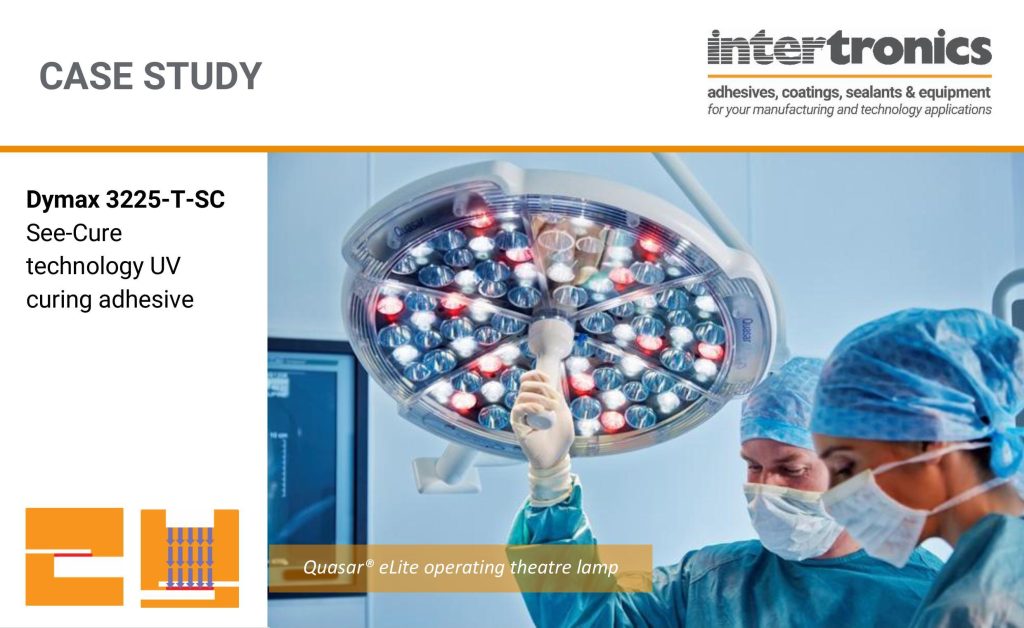
UV adhesive cures time problem for Brandon Medical
Extended curing times for adhesives can often create a bottleneck in the production process which can interrupt work flow. This was exactly the problem experienced by Brandon Medical Ltd. Technical Director Nigel Davill explained: “We had a problem bonding three polycarbonate lenses together to make the large front lens of our Quasar® eLite operating theatre […]
Read More
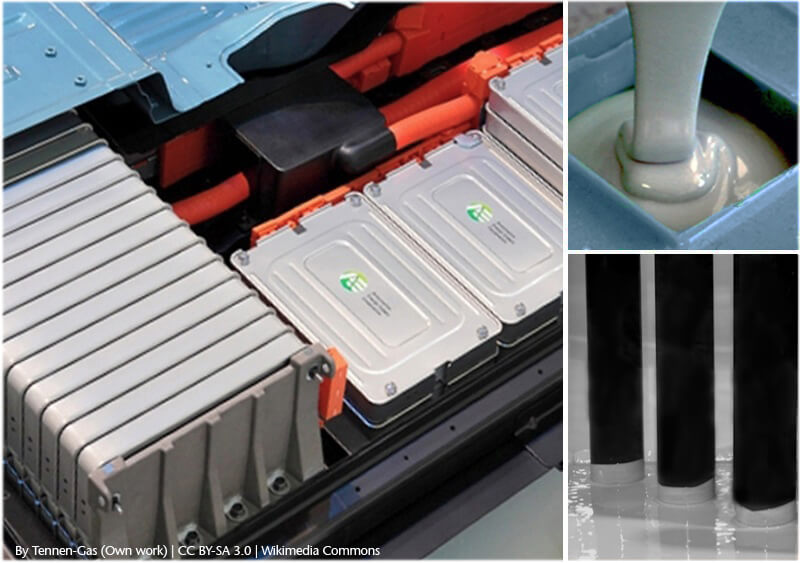
Thermally conductive materials for electric and hybrid vehicle batteries
Thermally conductive adhesives may become a key technology for boosting the mass production of electric and hybrid vehicles and batteries. That’s the view of our partner Polytec PT, manufacturer of specialist adhesives which we recommend for many automotive (and other) electronic applications. The ability to ensure a secure and durable battery system may demand robust fixing, […]
Read More
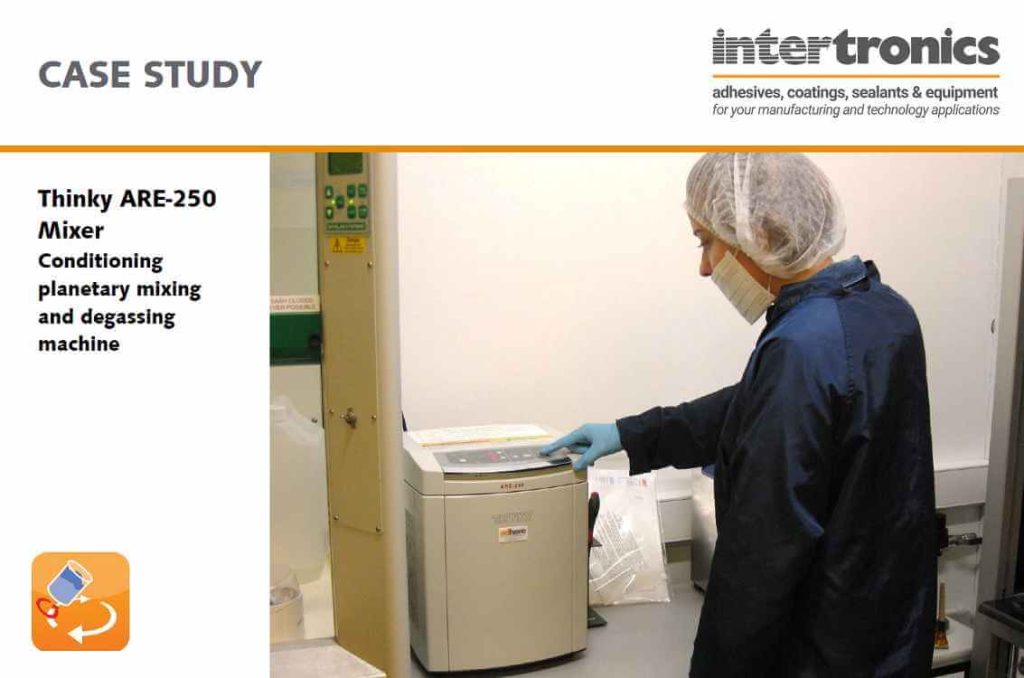
Thinky Mixer improves bonding processes in optical instrument manufacture
The engineers at optical instrument makers Gooch & Housego use a high specification UV cure adhesive in a military application. It is premixed with microspheres to ensure bondline thickness. However, there were problems in getting a homogeneous dispersion of microspheres in the mix – which could lead to poor fitment of the optical element and […]
Read More

Plastic bonding adhesive cures with light and moisture
If you thought you couldn’t take advantage of light curing technology because the bondline is in partial shadow, we may have the solution … thanks to a new Dymax plastic bonding adhesive. Dymax 3401 – designed for the rapid bonding of a wide variety of plastics (including PC and ABS) and metal – combines dual […]
Read More
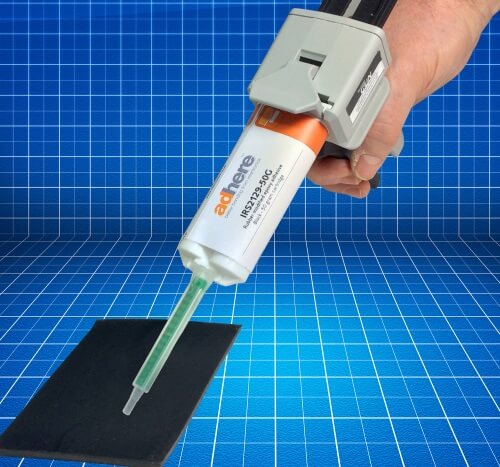
Rubber modified epoxy adhesive bonds dissimilar materials
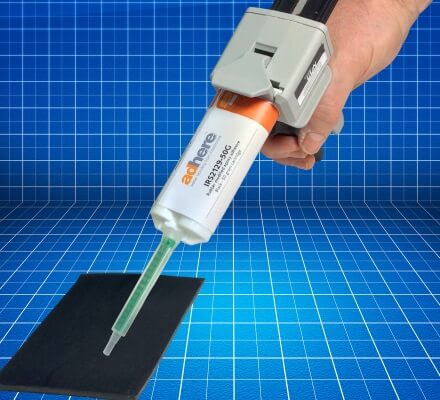
adhere IRS 2129 Rubber Modified Epoxy Adhesive is a high performance black rubber modified resin system, designed for the bonding of dissimilar materials with differing rates of thermal expansion to provide a tough and resilient joint. This includes many substrates, including rubber, found in applications such as electronics, electrical and other specialist component assemblies, e.g. automotive […]
Read More

Repair of relics and artefacts – clear epoxy
The press is full today with news of the seemingly botched repair of the beard on the burial mask of King Tutankhamen, the boy Pharaoh who ruled Egypt from 1332 to 1323 BC. It seems that the beard, having fallen off, was re-affixed with an epoxy adhesive (probably the quick cure “5 minute” stuff which you find […]
Read More
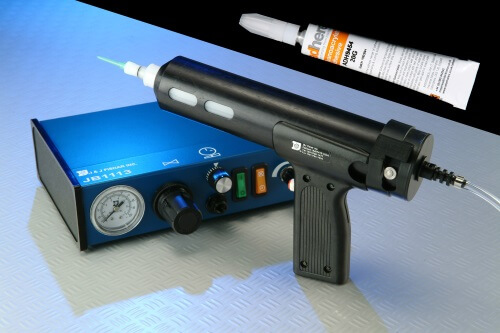
Cyanoacrylate adhesive gel fills gaps and doesn’t run
Our ADH 9454 is a gap filling Cyanoacrylate Adhesive Gel. Most cyanoacrylate or “instant” adhesives are inherently of a low, runny viscosity – which means they don’t work well when there are gaps to be filled, if the parts are porous, or if the bondline orientation means that the adhesive would drip or run out. The […]
Read More
How can I tell if the adhesive is cured? Encompass technology!
The new Dymax Encompass technology is now in a range of UV/visible light cure adhesives. Encompass combines the benefits of colour change once cured with red fluorescence for inspection. This combination offers the significant improvements in production efficiencies gained from rapid on-demand curing while ensuring greatly improved quality outcomes, since it is possible to quickly inspect […]
Read More
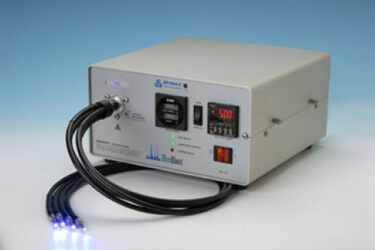
White Paper: Designing-in Light Curing Adhesives
Designing-in Light Curing Adhesives – this new authoritative white paper addresses the concepts around UV and visible light curing adhesives, starting with the design function. Design engineers will earn the gratitude of their production engineering colleagues if they can specify or allow for a light curing adhesive. In addition to performance advantages like distribution of load […]
Read More

UV cure optical display adhesives – crystal clear & non-yellowing
Dymax Light-curable Optical Display & Touch Screen Laminating Adhesives are specifically formulated for applications where durable, crystal-clear, invisible bonds are required. Their fast, on-demand cure allows substrates to be repositioned precisely until parts are ready to be cured. These one-part LCD adhesives are designed for touch panel assembly including bonding flat panel displays, LCD screens, tablets, outdoor […]
Read More
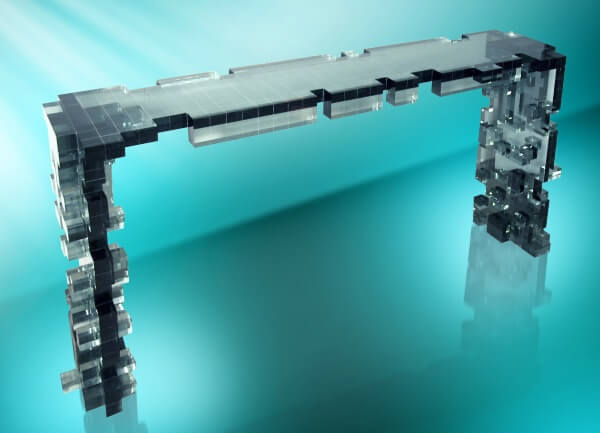
Acrylic bonding – when it absolutely must look right
The high end acrylic fabrication company Dauphin Restoration Ltd, founded in 1986, designs and makes cast acrylic mounts, cases and cabinets for an increasing number of state and private collectors alike. With an invitation to receive the Royal Warrant as Mount Makers to Her Majesty The Queen, Dauphin has established itself as the world’s largest […]
Read More
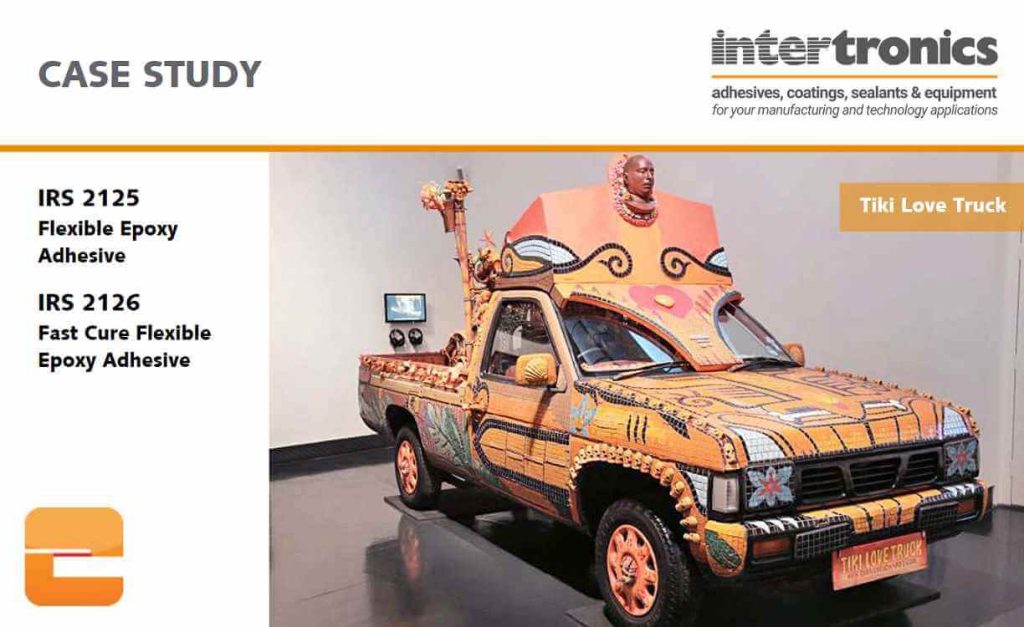
Flexible epoxy adhesive – long term adhesion at the V&A museum
We’re proud to have contributed to the Tiki Love Truck, a prominent exhibit in a major new exhibition at the Victoria & Albert Museum, and one of the best-known creations of British artist Carrie Reichardt – whose work we wrote about recently. Disobedient Objects opened on 26th July at the V&A, Cromwell Road, London SW7 […]
Read More
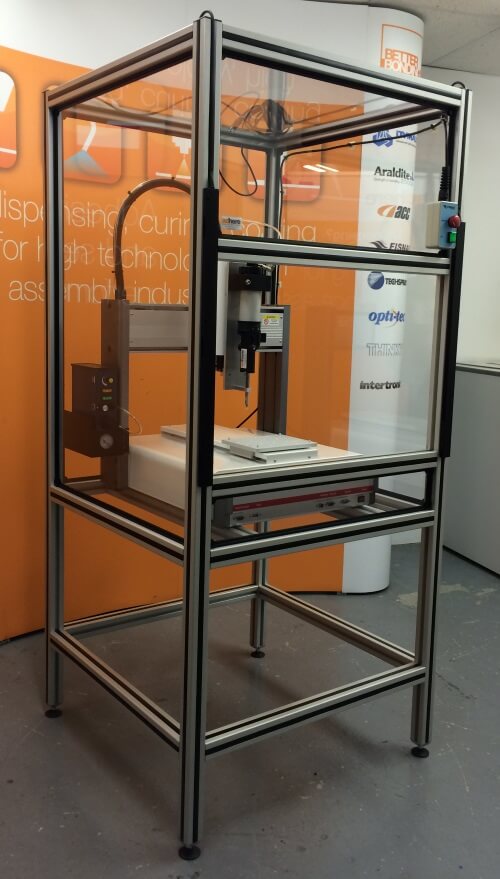
Dispensing robot workstation designed for safety, ergonomics and flexibility
Last week, we delivered the latest in a long line of dispensing robot workstations designed and built here at INTERTRONICS. This robot is dispensing a two-part structural adhesive from a 50ml cartridge, which is mixed through a static mixing nozzle on the head. Like many of the workstations we supply, this one is custom built to […]
Read More
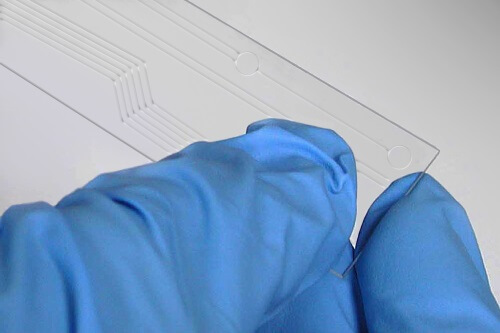
Adhesive offers excellent adhesion to COC/COP film laminates
Cyclic olefin polymers/copolymers (COP/COC) have become popular choices in the point-of-care device industry because of their high strength, hardness, low water absorption, and excellent biocompatibility. Dymax 1072-M MD® is a new UV/broad-spectrum-cured adhesive specifically designed for bonding COC/COP film laminates and other difficult-to-bond-to polymers. Designed to be optimised for curing with LED lamps, Dymax 1072-M will cure […]
Read More

The art of epoxies – ceramic tile bonding
The fields of art and industry are increasingly converging, a fact that we can ably demonstrate from a long-standing relationship with one of the UK’s leading ceramic artists, to whom we supply epoxy adhesives from our adhere IRS range. Carrie Reichardt describes herself as a “renegade potter, craftivist and anarchist”. Working from a mosaic-covered studio in Chiswick […]
Read More

preeflow micro-dispensing for electronics manufacturing
We have previously discussed the need for greater precision and repeatability of adhesive dispensing within ever smaller and denser pcb real estate in the world of electronics assembly and manufacturing. Applications include optical bonding (e.g. touch screens, displays, smartphones, tablets), conformal coating, encapsulation (either dam & fill or glob top), underfills, and the like. There […]
Read More
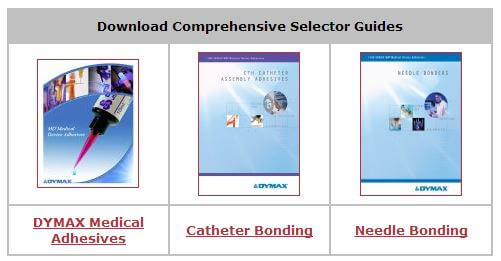
Medical device adhesive selector guides help simplify product selection
We have recently placed updated selector guides on our website for Dymax Medical Device Adhesives. These guides provide comprehensive information on Dymax products and are intended to help device manufacturers choose the appropriate adhesive together with compatible dispensing and curing equipment for their specific requirement. The two guides include details of adhesives for Needle Bonding and […]
Read More
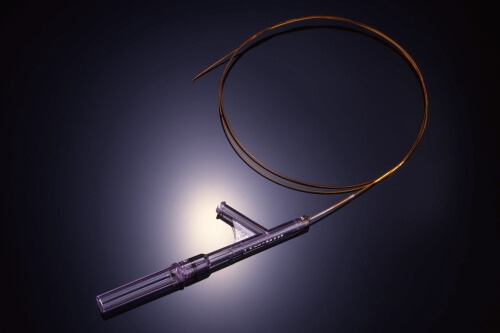
Catheter adhesive – how do you know it’s cured?
Dymax 214-CTH-UR-SC adhesive has been formulated to incorporate both Ultra-Red and See-Cure technologies. Designed to be used in catheter assembly and other medical device assembly applications, it offers excellent bond strength to a number of plastics including PEBA and Nylon 12. Dymax 214-CTH-UR-SC is blue in colour when in its uncured state, enabling easy verification […]
Read More
Needle bonding adhesives fast cure with LED light
Dymax has released a new range of LED UV and visible light curable needle bonding adhesives. These adhesives are ISO 10993 approved and have passed testing to support short-term (<29 days) implantation or single use disposable device applications. Dymax 1400 series needle bonding adhesives are solvent free, single component and fluoresce for inline testing and […]
Read More
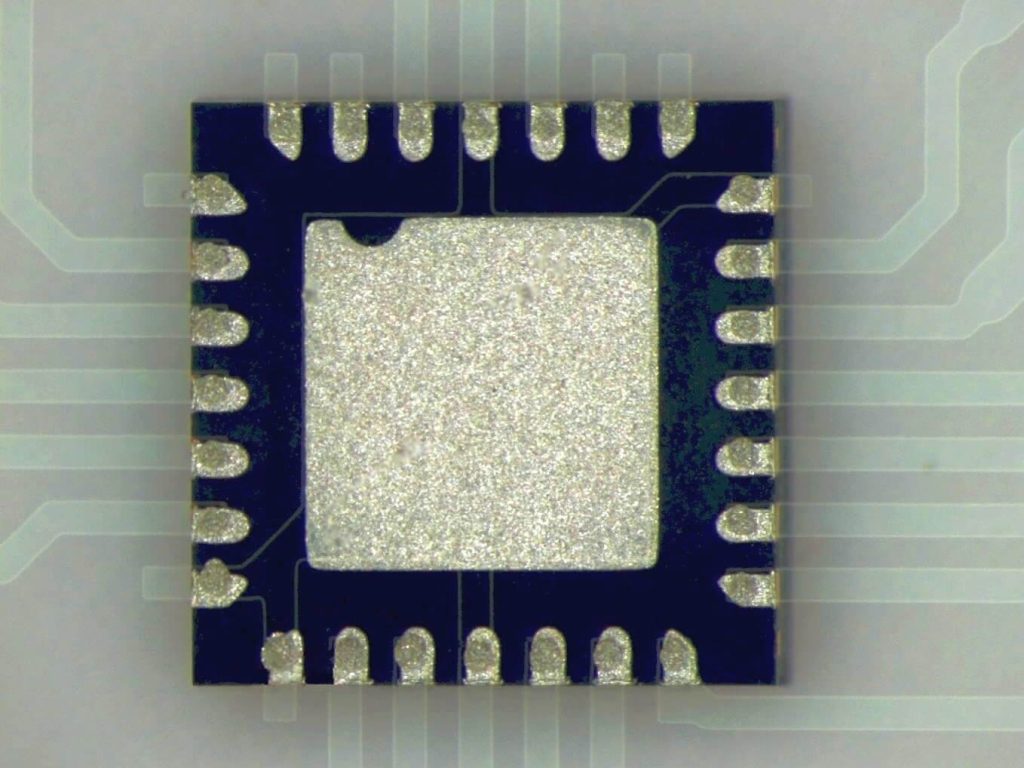
Innovative electrically conductive adhesive
Polytec EC 275 extends our portfolio of specialist high performance conductive epoxies and adhesives. Polytec EC 275 has innovative specialist fillers which deliver excellent electrical conductivity (1×10⁻³ – 7.5×10⁻⁴ ohm-cm) within a low cost, two component formulation for applications in electronics, micro-electronics, opto-electronics, hybrids and sensor technology. Electrically conductive adhesives are widely used in the electronics […]
Read More
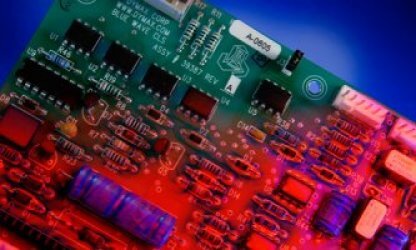
Adhesive for medical device assembly cures in seconds – ISO 10993
If you are looking for a medical grade adhesive which adheres to PC, PS, PU, ABS, and stainless steel, DYMAX Ultra-Red™ 1193M-SV05-UR could be your answer. Designed for the rapid application and bonding of plastics and metals typically used in the manufacture of syringes and needles, DYMAX Ultra-Red™ 1193M-SV05-UR is an ISO 10993 tested, moisture-resistant, multi-purpose medical-device adhesive which cures quickly upon exposure to UV and/or […]
Read More
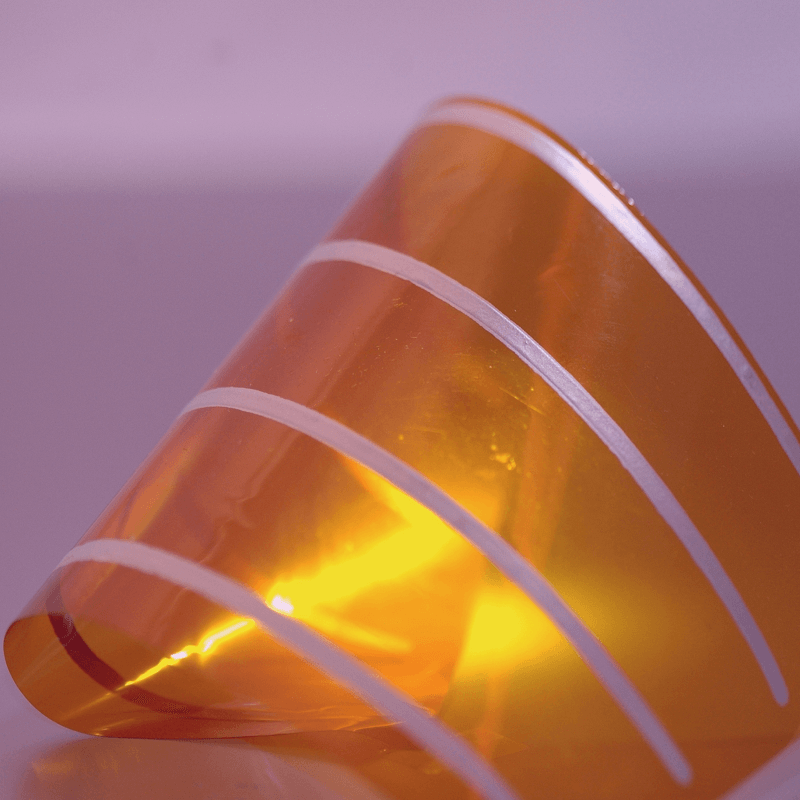
Flexible, room temperature cure, electrically conductive adhesive
Polytec PU 1000 is an electrically conductive, polyurethane adhesive which addresses applications in die attach, bonding of components in hybrid circuit applications and surface mount technology (SMT); areas where silver filled electrically conductive adhesives have been used for many decades. Usually such adhesives are epoxy-based, and are two-component or premixed and frozen single-component systems – […]
Read More
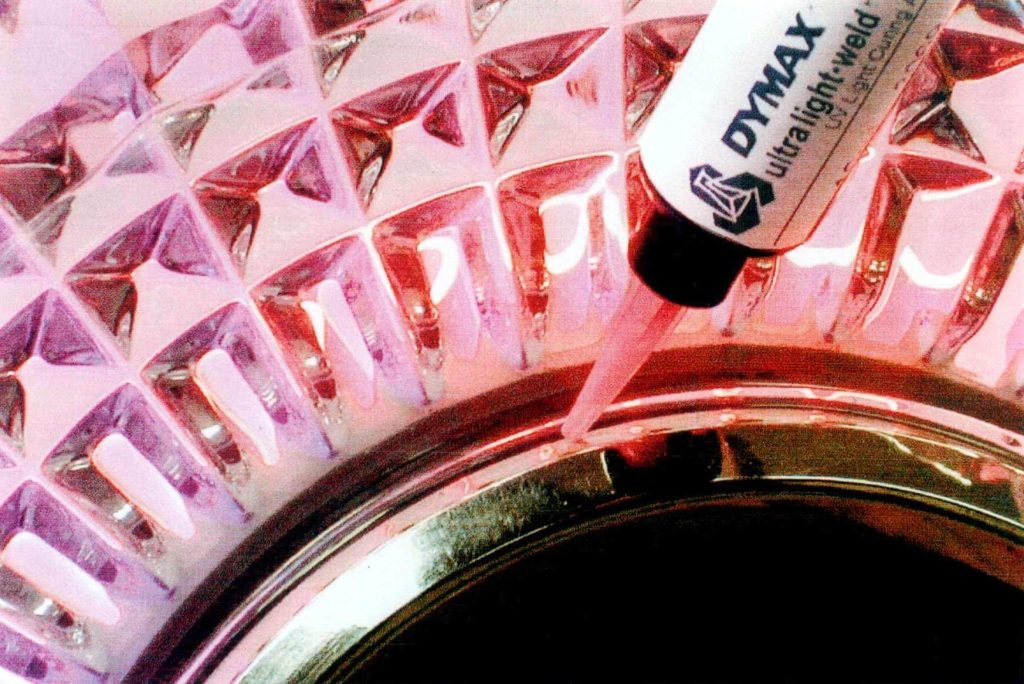
UV & LED curing glass/glass and glass/metal adhesive
Dymax Ultra Light-Weld® 431 is a versatile glass-to-glass and glass-to-metal bonding adhesive which is formulated to be resistant to high-temperature and high-moisture environments while maintaining superior adhesion and flexibility. Dymax 431 bonds rapidly upon exposure to UV/visible light from conventional or LED based curing lamps, allowing a fast assembly process – making it highly suitable […]
Read More
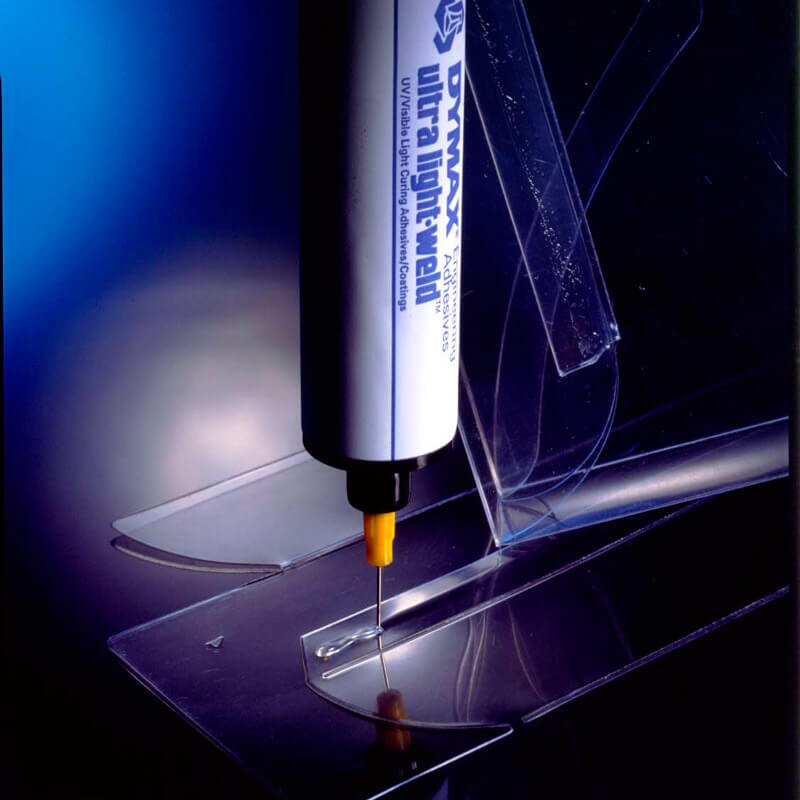
Strong, solvent-free plastic and glass bonding with UV
In our range of Dymax UV curing plastic bonding adhesives, there’s a product to suit almost every application, whether it’s display case construction, automotive headlamp assembly, sign assembly, bonding PMMA awards or plastic packages. Some of our best-selling plastic bonders: Dymax 3099 is a clear adhesive that offers resilience and provides bubble free bond lines […]
Read More
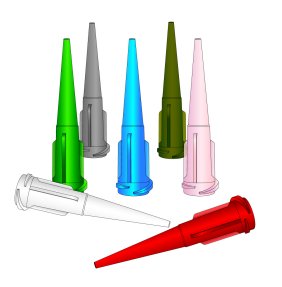
Tapered tips for greater adhesive dispensing accuracy
We have successfully addressed one of the factors affecting the accuracy of dispensing high viscosity fluids with standard parallel-sided dispensing needles. Standard stainless steel needles have a steep pressure restriction at the part of their cross-section where the needle joins the hub, which can lead to a higher pressure being needed to generate flow, or […]
Read More
Multi-purpose fluorescing medical device adhesive for plastic and metals
DYMAX Ultra-Red™ 1193M-SV05-UR is a ISO 10993 tested, medical grade adhesive designed for rapid dispense and the bonding of plastics and metals. Typically used in the manufacture of medical syringes and needles, the adhesive is multi-purpose and can be used across a range of applications. Bondable substrates include PC, PU, PS, ABS and stainless steel. It cures upon […]
Read More
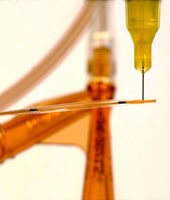
Medical device bonding – adhesives for needles, cannula, catheters and guidewires
Two new selector guides are available, detailing our extensive range of DYMAX adhesives for bonding needles and catheters. The guides contain technical details about the wide range of adhesives available for these specific applications, as well as curing and dispensing information, and joint design advice. The selector guides are available from us in hard copy, […]
Read More
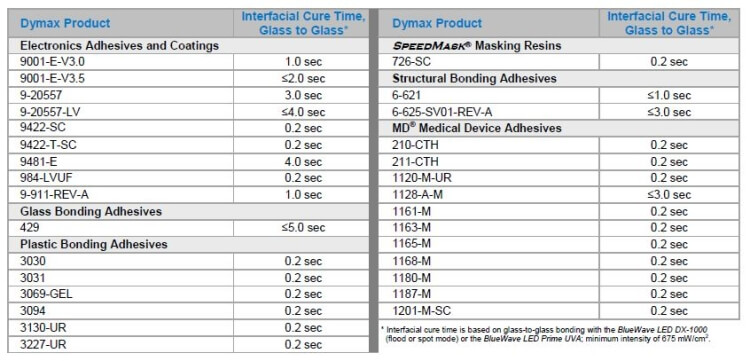
Adhesives for curing with LED UV lamps
With the combination of expertise in LED light curing equipment technology and adhesive formulation, our partners DYMAX have an ever-growing list of adhesive and coating formulations optimised to cure with our BlueWave LED curing lamps. These include applications in electronics, glass bonding, plastic bonding, temporary masking, structural bonding and medical device manufacturing.
Read More

Autoclavable adhesive/encapsulant for optical and medical applications with USP Class VI
Polytec EP 630 is a two-part epoxy adhesive which provides excellent high temperature, chemical, electrical and moisture resistance. Especially designed for applications in the semiconductor, medical, hybrid, piezo, fibre optics, HV and UHV applications, it has an excellent adhesion to silicon, glass, metal, ceramic, ferrite and most plastics and can be used as a low viscosity adhesive, […]
Read More
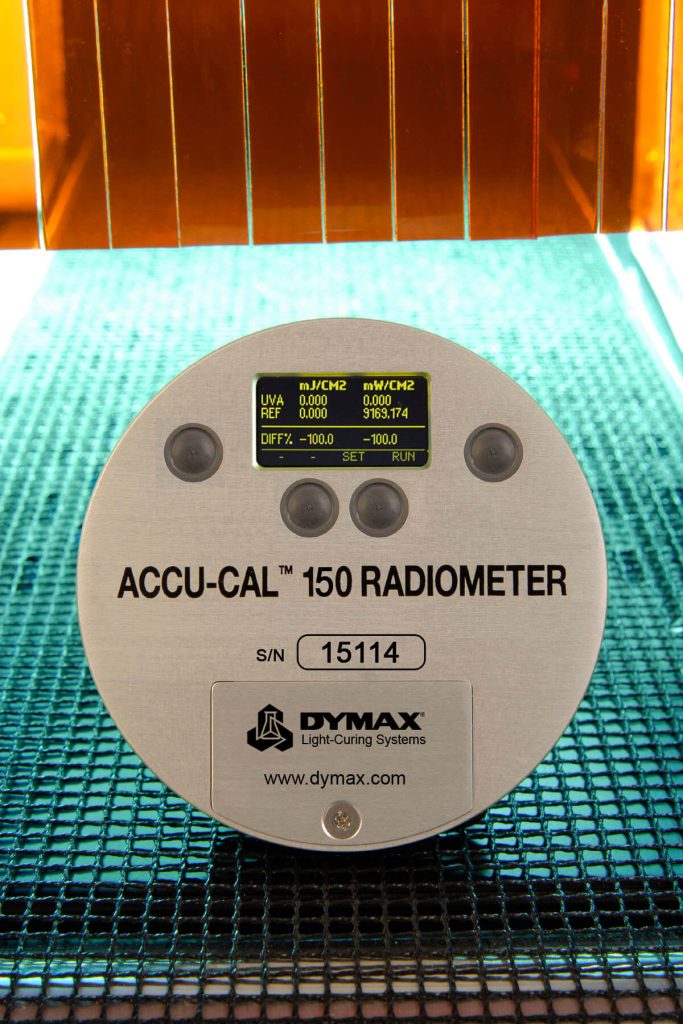
New radiometer simplifies validating and monitoring UV curing processes
The DYMAX ACCU-CAL™ 150 is a simple-to-operate radiometer offering repeatable measurement of UV light, which greatly simplifies both the validation and monitoring of a UV light-curing process. It can measure UV light up to 10 W/cm2 emitted from stationary light-curing flood lamps or lamps used in conveyorised processes. The ACCU-CAL™ 150 can be used to determine intensity […]
Read More

Bond dissimilar materials with DYMAX Ultra Light-Weld 3013
Do you need a resilient, low-viscosity, moisture-resistant adhesive designed for rapid bonding to a wide variety of plastic and metal substrates? DYMAX Ultra Light-Weld® 3013 forms high-strength, environmentally resistant bonds for appliance assembly, bond joint and sealing, plastic window bonding, and plastic assembly and dispenses easily for precise quantity and placement of adhesive. DYMAX Ultra Light-Weld® 3013 […]
Read More
Thermally conductive adhesives
We now offer a range of high technology, thermally conductive adhesives. The products are two-part and single-part epoxy systems designed for all applications where heat transfer is essential, including heat-sinking and ceramic packaging. Polytec PT Thermally Conductive Adhesives are available in a wide range of process friendly packaging options, including bubble-free syringes, pre-measured twin-packs and single […]
Read More
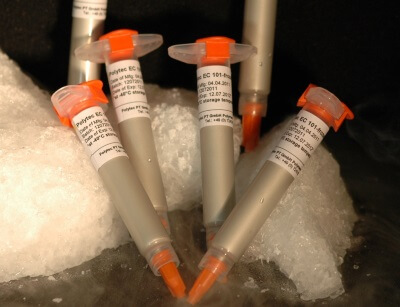
Electrically conductive, silver-loaded adhesives
We are now able to offer a range of high technology, electrically conductive adhesives. The products are two-part and single-part epoxy systems designed for electronic interconnects in a wide range of applications, including hybrid electronic assembly and solder replacement. These adhesives are primarily silver-loaded. Polytec PT Electrically Conductive Adhesives are available in a wide range of […]
Read More
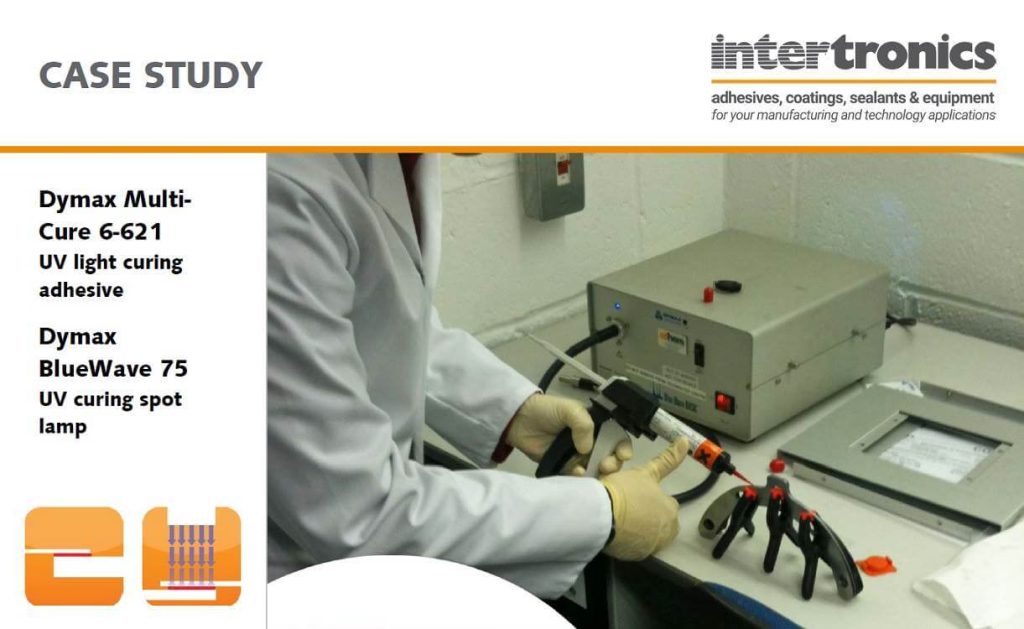
Fast curing metal bonding solution for customer Ford Components
A quick and simple adhesive solution was required for one of Ford Components Manufacturing Ltd’s laminated metal shim pack products. Known as edgepeel®, the pack provides a number of shims, to specific customer requirements, that can be quickly and easily selected at the point of assembly, therefore speeding up production. These thin steel shims are […]
Read More

Electrically and thermally conductive adhesives – new products!
We are very pleased to announce that we have signed a distribution agreement with expert German adhesives manufacturer, Polytec PT. Polytec PT offers a range of high technology adhesive products for micro-electronics, hybrid circuits, chip-on-board (COB), LEDs, component manufacture, displays, flexible circuitry, shielding, medical devices and optics/opto-electronics. The range consists of: Electrically conductive adhesives Thermally […]
Read More
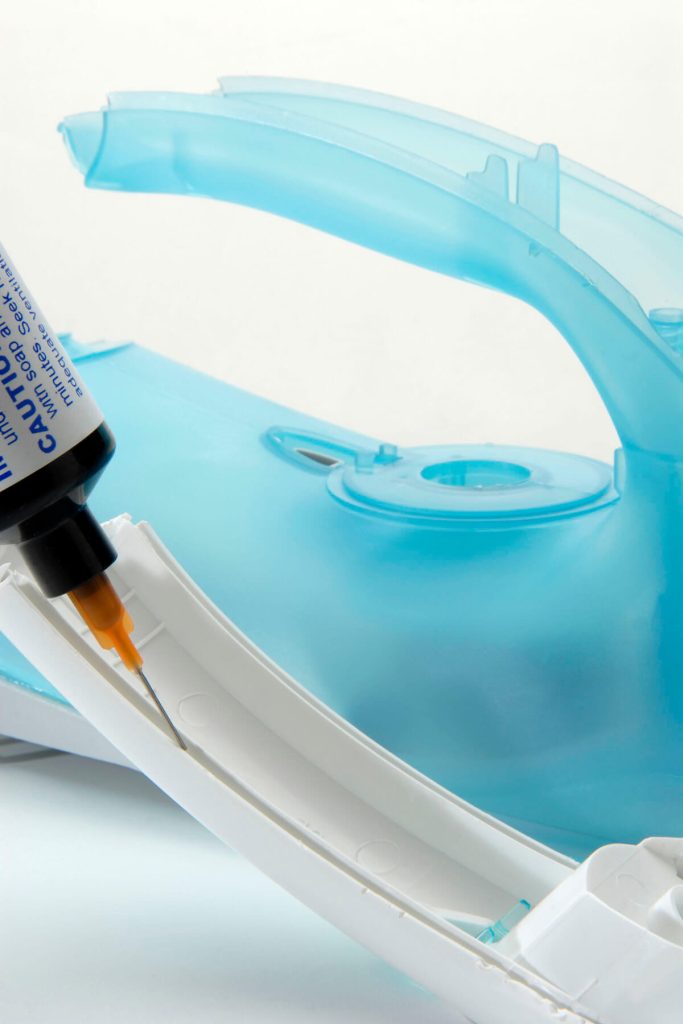
High performance UV curing plastic bonding adhesive aids efficiency
Increasing production throughput of bonded plastic assemblies is high on the list of priorities these days for both design and production engineers, if what our customers say is anything to go by. In these situations, we are delighted to offer Dymax Ultra Light-Weld® 3069, which is a UV/visible light-curable adhesive designed for rapid bonding and […]
Read More
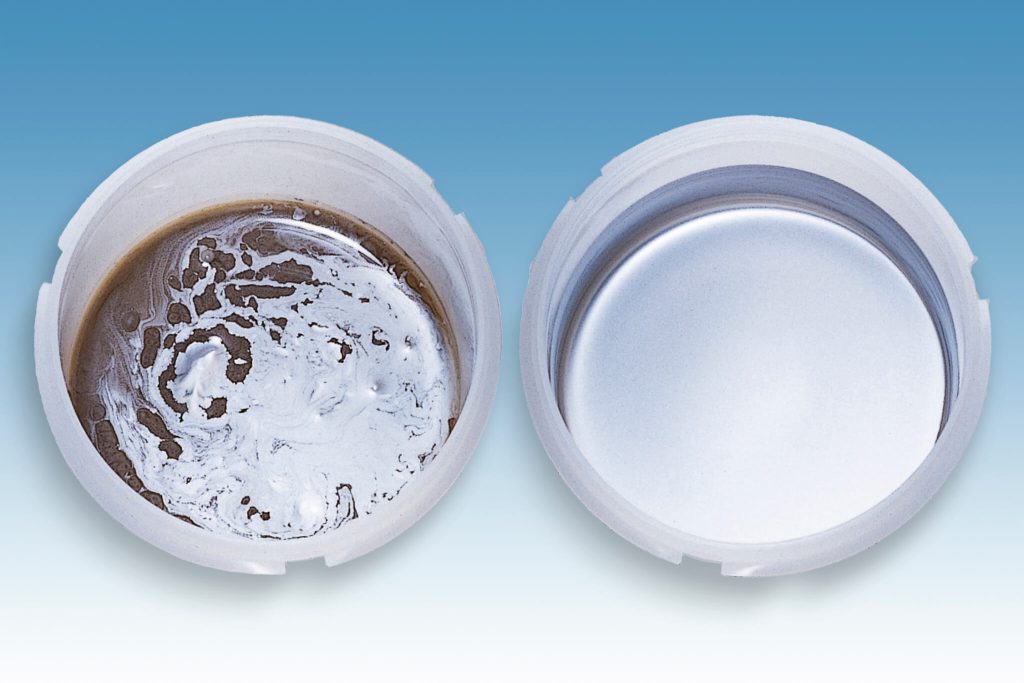
Homogeneous mixing of conductive adhesives and pastes
Some materials – like silver-loaded pastes, adhesives and inks – can suffer degradation in storage. This can easily be rectified by re-mixing and degassing, quickly achieved by use of the Thinky series of planetary mixers. Particles of silver of a high specific gravity settle down during storage and are difficult to disperse evenly by manual mixing. […]
Read More
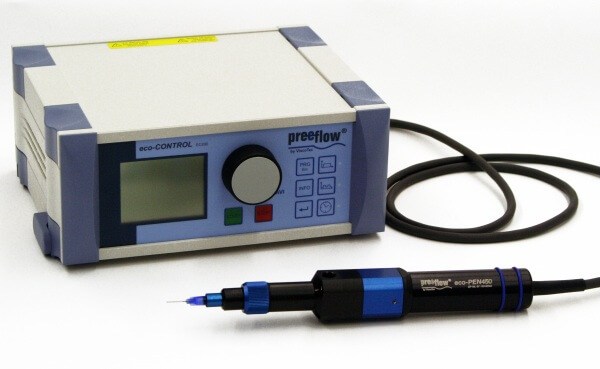
preeflow eco-PEN 450 extends the capability and accuracy of volumetric dispensing
We recently introduced the preeflow® eco-PEN 450 from ViscoTec, which not only offers a greater capacity for high accuracy and highly repeatable volumetric dispensing – it also addresses the needs of a wide range of low to medium viscosity applications. These include oils and fats, colour mixes, silicones, sealing compounds, adhesives and even abrasive media, […]
Read More
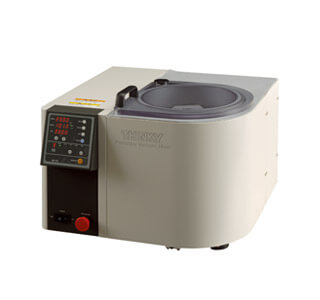
Mix and degas under vacuum in seconds – remove 100 micron micro-bubbles
The THINKY ARV-310 is an industrial non-contact “planetary” mixer for all engineering compounds. The THINKY ARV-310 can mix, disperse and degas your materials in seconds to minutes, even in your own containers (jars, beakers, syringe tubes or cartridges). The non-contact mixing principle makes it possible to formulate compounds from very small amounts such as 0.5ml […]
Read More
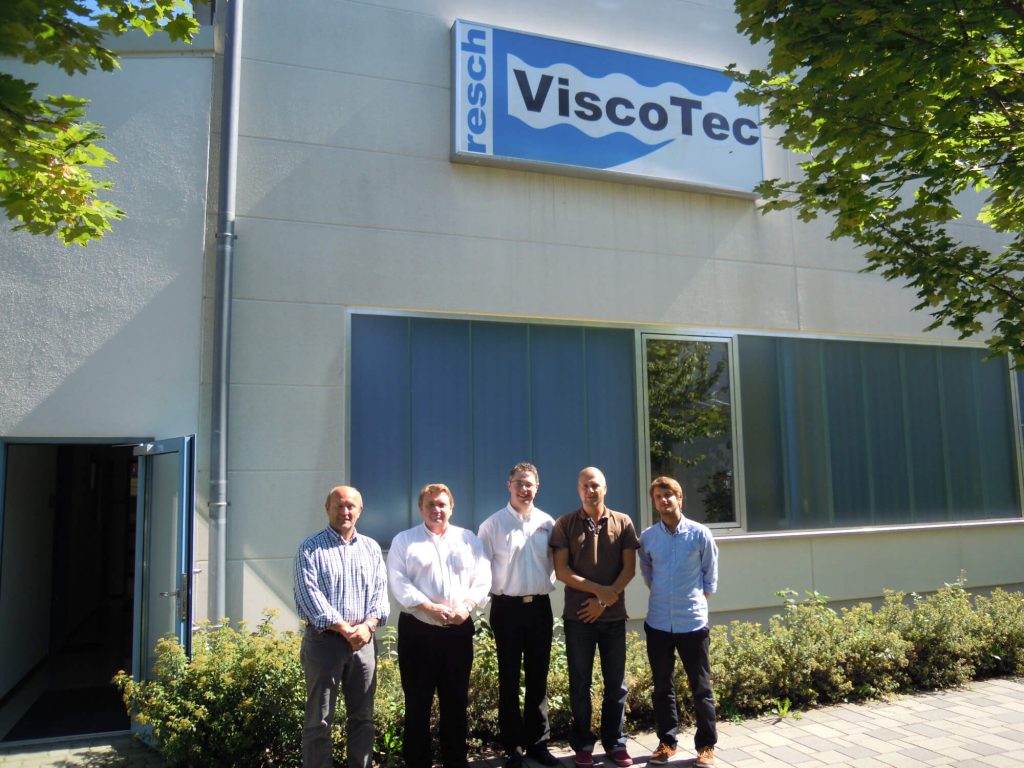
Precision volumetric dosing for highly accurate, repeatable dispensing
High precision, accuracy and repeatability in dispensing is becoming ever more important to our customers. Consequently INTERTRONICS, in partnership ViscoTec, will now be supplying UK industry with the latest in preeflow precision volumetric, positive displacement, dosing/dispensing systems. Preeflow volumetric dosing equipment, manufactured by ViscoTec, is capable of dispensing adhesives, pastes, form-in-place gaskets, sealants, etc – in dots, […]
Read More
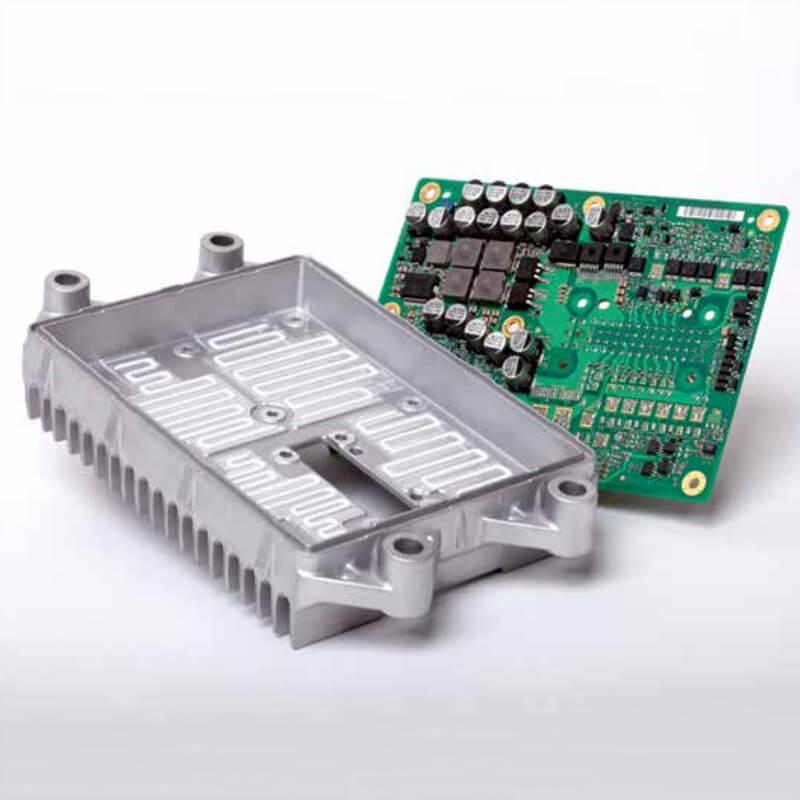
Thermally Conductive Silicones
Thermally conductive silicones can provide excellent thermal management. Through the addition of specialist fillers, heat can be dissipated from processors, power units, LED’s and other components to improve performance and product life. They can also be used to improve the heat conduction in sensors, radiators and thermal devices. We have a complete range of thermally […]
Read More
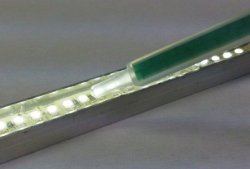
Optically Clear Epoxies, Potting Compounds and Adhesives
The Opti-tec™ range of optical adhesives and encapsulant continues to develop, and includes many with high optical clarity or other special properties related to specific optical applications such as fibre-optic termination or optical potting and encapsulation. Some of the range have passed ISO 10993 testing for medical device manufacture or are Telcordia GR-326-CORE compliant. Specialist […]
Read More
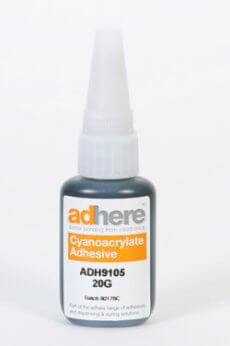
Black, rubber toughened Cyanoacrylate Adhesive
adhere ADH9105 Cyanoacrylate Adhesive is an excellent example of a precision engineered application specific adhesive for high technology industries. ADH9105 has higher impact, humidity and temperature resistance with a more flexible bond than mainstream cyanoacrylates – thus making it the adhesive of choice where gap filling and resistance to vibration, thermal shock or motion compliance […]
Read More
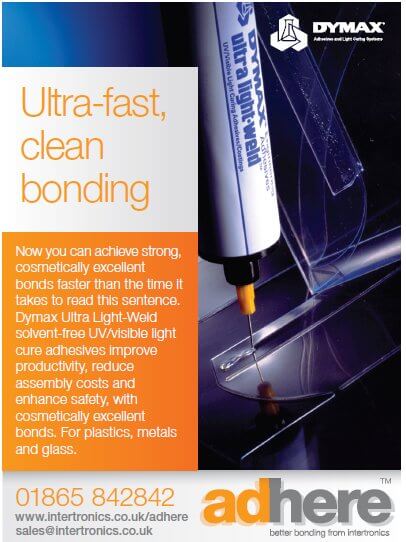
Ultra-fast, clean bonding with light curing adhesives
Here is another of our current advertisements for our range of Dymax UV/visible light curing adhesives. Improve productivity, reduce assembly costs and enhance safety, with cosmetically excellent bonds. For plastics, metal and glass.
Read More
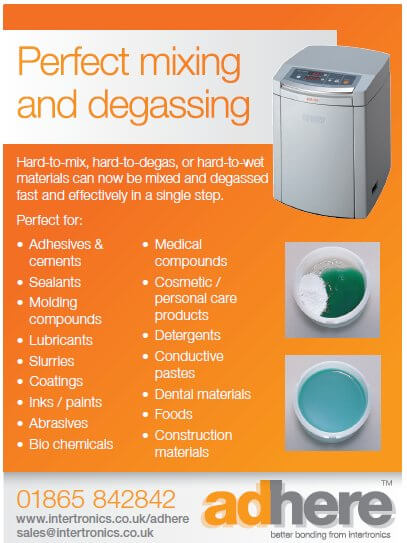
Perfect mixing and degassing
Here is a preview of our lastest advertisement for THINKY Mixers. They mix, disperse and degas your materials in seconds to minutes, in a sealed or lid-less container such as a jar, beaker, syringe tube or cartridge. Those hard-to-mix, hard-to-degas or hard-to-wet materials can be mixed and degassed fast and effectively in a single step.
Read More
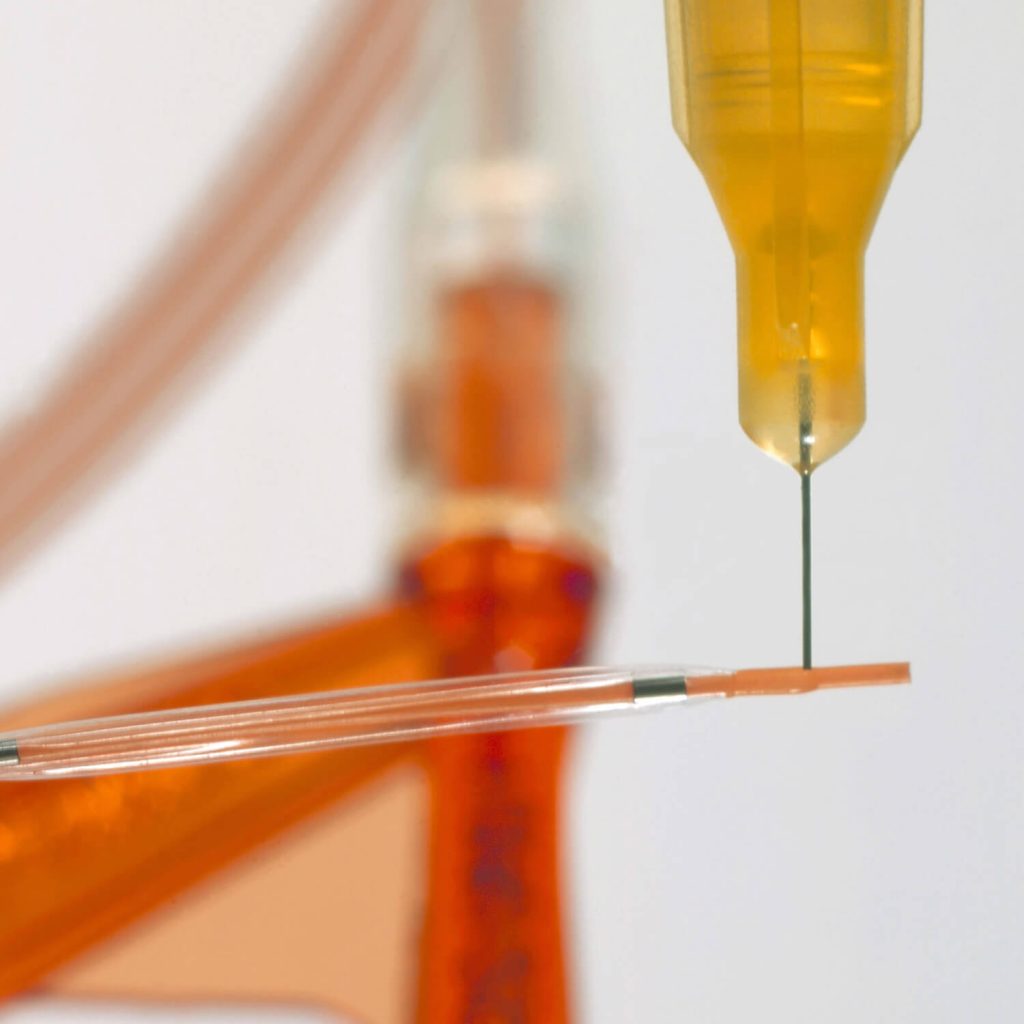
Catheter adhesive cures tack free in less than one second with LED lamp
Dymax 210-CTH, a new MD® Medical Device Adhesive, is a tack-free, LED-curable adhesive formulated for fast, on-demand cure with the Dymax BlueWave MX-150 LED UV spot curing lamp. This adhesive is designed for rapid bonding of a wide variety of plastics typically used in the manufacture of catheters. Bondable substrates include PC, PU, ABS, and […]
Read More
UV light curing with LED lamps – unravelling the myths and realities
In recent years, there as been a great deal of interest in the use of LED technology for the curing of UV and visible light reactive adhesives and coatings. LED lamps can offer a number of benefits over the traditional and well understood mercury-based arc lamps, including significantly more stable output, instant on/off and no […]
Read More
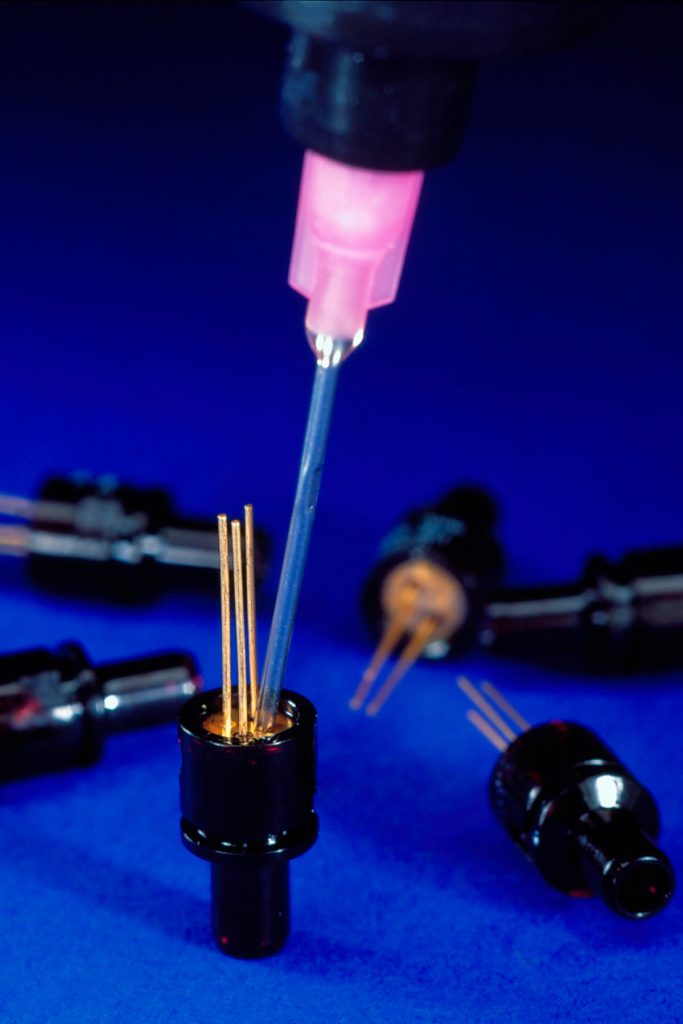
Low shrinkage adhesive for optical assembly eliminates parts movement
Do you need a fast cure, low shrinkage adhesive for optics and optical assembly which eliminates parts movement? Dymax OP-67-LS opto-mechanical adhesive cures in seconds for bonding of optical components, whilst its low-shrink nature virtually eliminates movement during curing and subsequent thermal cycling. OP-67-LS offers the ability to “cure on demand” with exposure to longwave […]
Read More
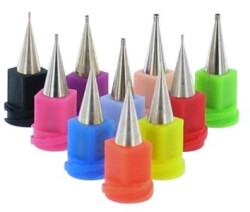
High precision dispensing nozzles
Preci-Tip™ Precision Dispensing Tips are for high accuracy, micro-dot fluid dispensing. They have a luer lock thread and can be used with dispensing syringe barrels, valves or pumps. A primary design feature of these unique dispensing nozzles is the streamline conical fluid path which delivers substantially higher fluid flow rates and lower dispense pump back […]
Read More
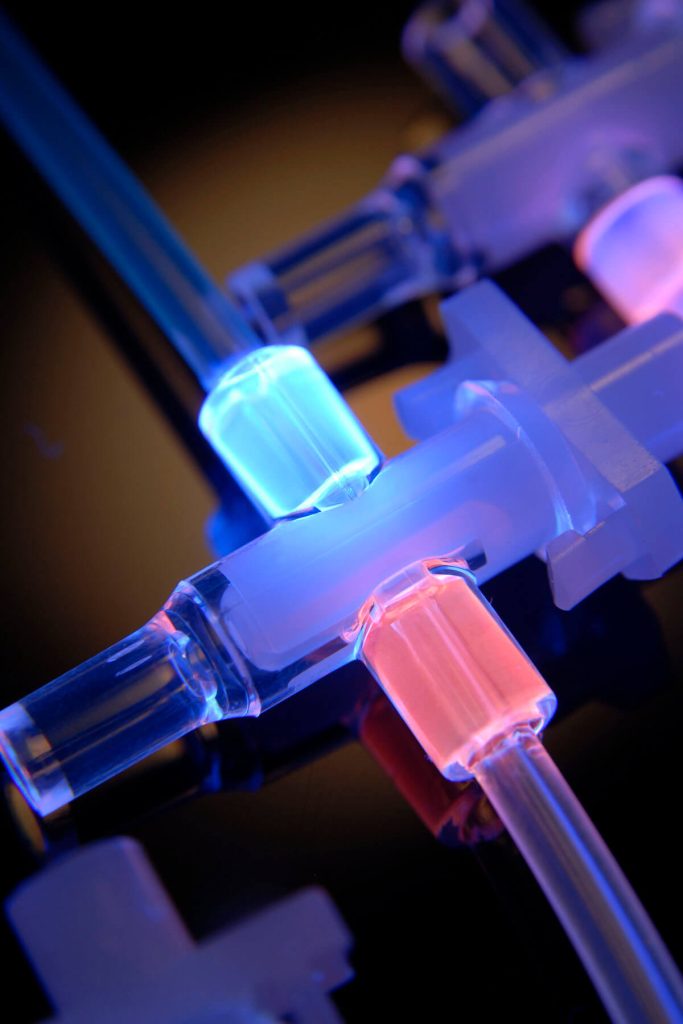
Seeing Red – For Accurate Bondline Inspections
An impressive new fluorescing adhesive technology, brought to you by our sales partner Dymax, will have you all “seeing red” to improve quality and authentication. The advantages of Ultra-Red™ technology are based on the fact that many plastics naturally fluoresce blue under UV blacklight – this minimises the inspection advantages of using conventional blue-fluorescing adhesives […]
Read More
Technical Guide on Adhesive Cure Methods – Free Download
The use of adhesives for structural bonding is on the increase. For a successful assembly, the adhesive must “harden” in the bondline to provide a joint which is capable of bearing the forces to which it is subjected for its lifetime, whatever environmental factors are thrown at it. Understanding how this works is important both […]
Read More

We stick urban art together
Modern art is such an integral part of life, the interweb and everything, that some exciting projects are taking place – perhaps where they always have – at the borders between the street and the gallery. So it is even more interesting to find this kind of project dependant upon an advanced flexible epoxy adhesive […]
Read More
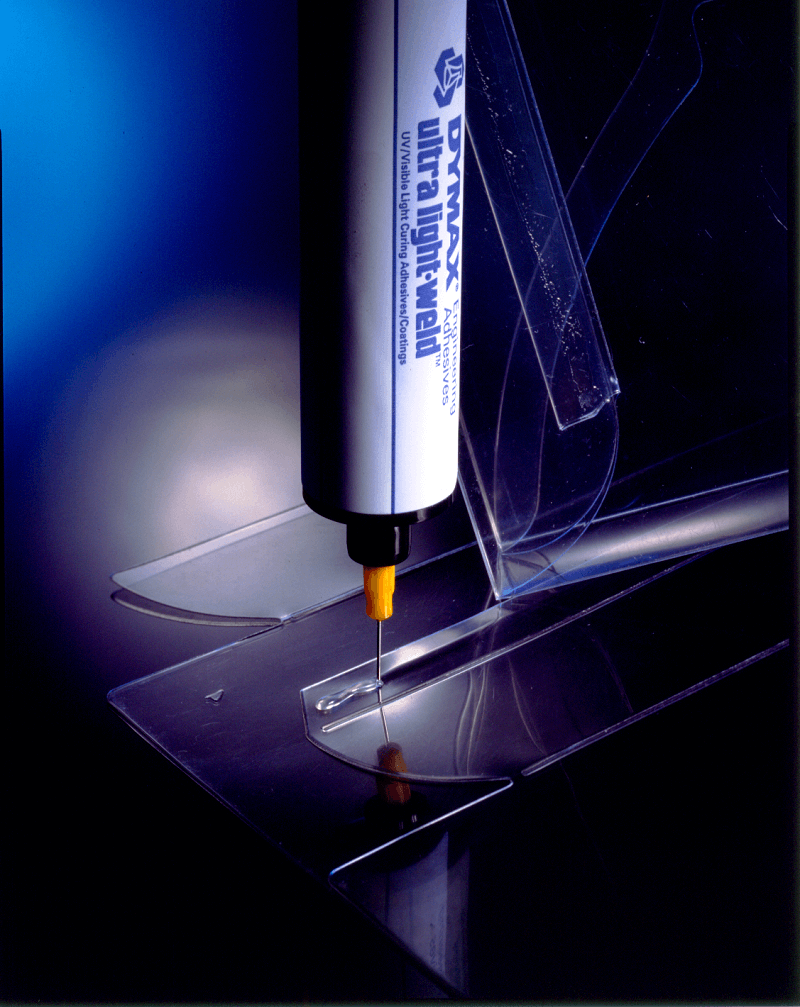
Get tough – making electronics rugged
We are getting tough with electronic components that need to be made more rugged – to be more resistant to shock, vibration and rough handling. This “toughening-up” process involves edge bonding or underfill of components with the recently introduced Dymax 9422-SC or DYMAX 9-20790 room temperature, fast, light cure adhesives. In particular the Dymax 9422-SC […]
Read More
Ultra-Red Adhesives for high contrast bond-line inspection and product verification
We are persuading our customers to “see red” literally. The Ultra-Red™ fluorescing technology built into many Dymax adhesives offers assemblers concrete advantages in plastics fabrication. Many plastics naturally fluoresce blue under UV light – this minimizes the inspection advantages of using blue-fluorescing adhesives in parts assembly. Ultra-Red™ fluorescing adhesives remain naturally clear until exposed to […]
Read More
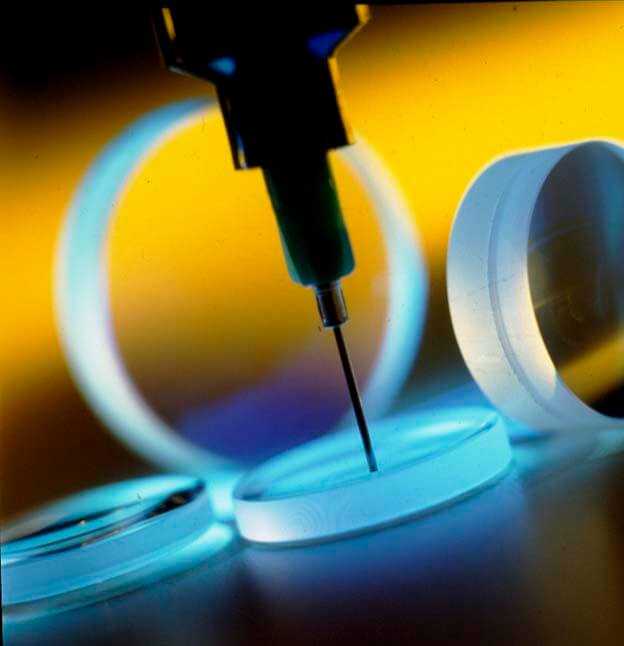
Bonding optical couplets
A question from the DYMAX blog: We have to manufacture a component which is comprised of two individual parts molded from acrylic (PMMA) that have slightly different additives. The parts have concave and convex surfaces which fit onto each other. We want optical coupling between these two surfaces. Can we place one piece as an […]
Read More
Alternative art adhesive
Baroness Carrie von Reichardt and her partner were asked by the Mutoid Waste Co to be involved in a show called Mutate Britain, where a number of well-known artists where each given pieces of a WW2 war plane and asked to let their creative juices flow. Explained the Baroness: We were actually given two panels […]
Read More

Mixing glass powders into resin
James Kent (Ceramic Materials) Ltd had relied for many years on a manual mixing system for their research and quality control of specialist glass powders, but embarked on a search for a process solution that would be more effective, more consistent, quicker and simpler. The glass powders produced by James Kent Ltd are tailored to […]
Read More

We get stuck into the Love Truck
The problem involved a painted steel substrate, hand placed glass/ceramic tiles, substrate flexing and widely varying vibration over extended periods in outdoor conditions – in short a Tiki Love Truck! An unusual project even for us, but nonetheless as it proved, well within the capabilities of the adhere IRS 2125 Flexible Epoxy Adhesive. The project […]
Read More
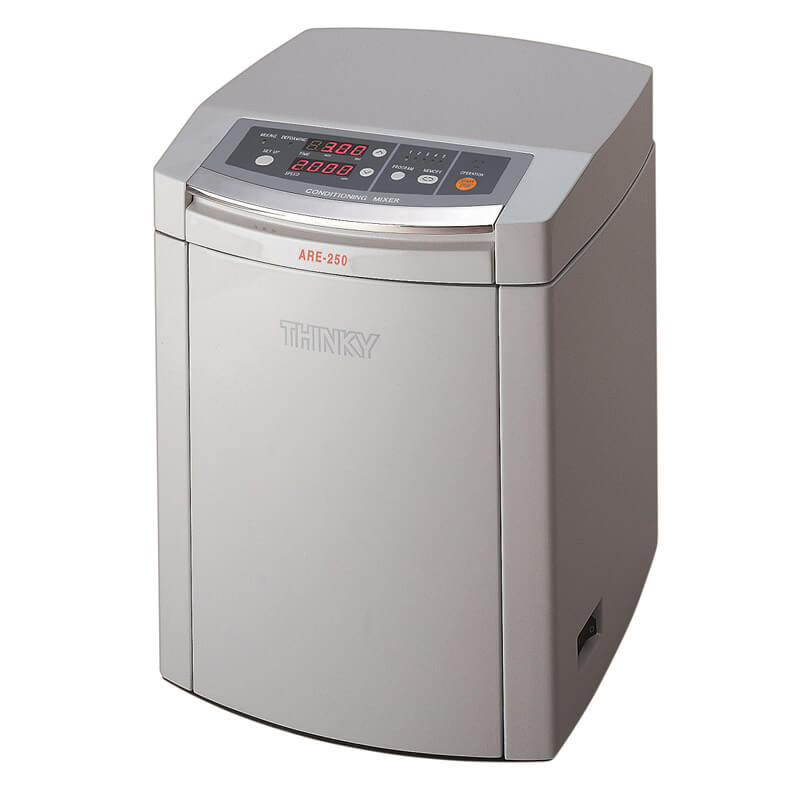
Getting the gas out
Removing air bubbles from materials like epoxies and inks which you mix up yourself can be an irritation. Often some form of vacuum chamber is used to degas the mixture – it is time consuming and not easy! One of the advantages of our Thinky ARE-250 Mixer is that it does not put air into […]
Read More

Rocking your world – high temperature epoxy fixes speaker coils
Real World engineering is rarely rocket science, but often it is very much about pushing the boundaries of performance and balancing conflicting parameters. This was exactly the kind of situation which we met when a customer asked our advice on an adhesive application. This unusually challenging application was in the production of very high power […]
Read More

It’s clear: Opti-tec 5013 is great for glass bonding!
We sell a lot of UV adhesives for glass bonding – this application is perfect for UV curing, and we have a lot of capability. Sometimes, our customers need another solution. For example, they might not have a UV curing lamp, and the production volumes do not justify a purchase at this stage. In these […]
Read More